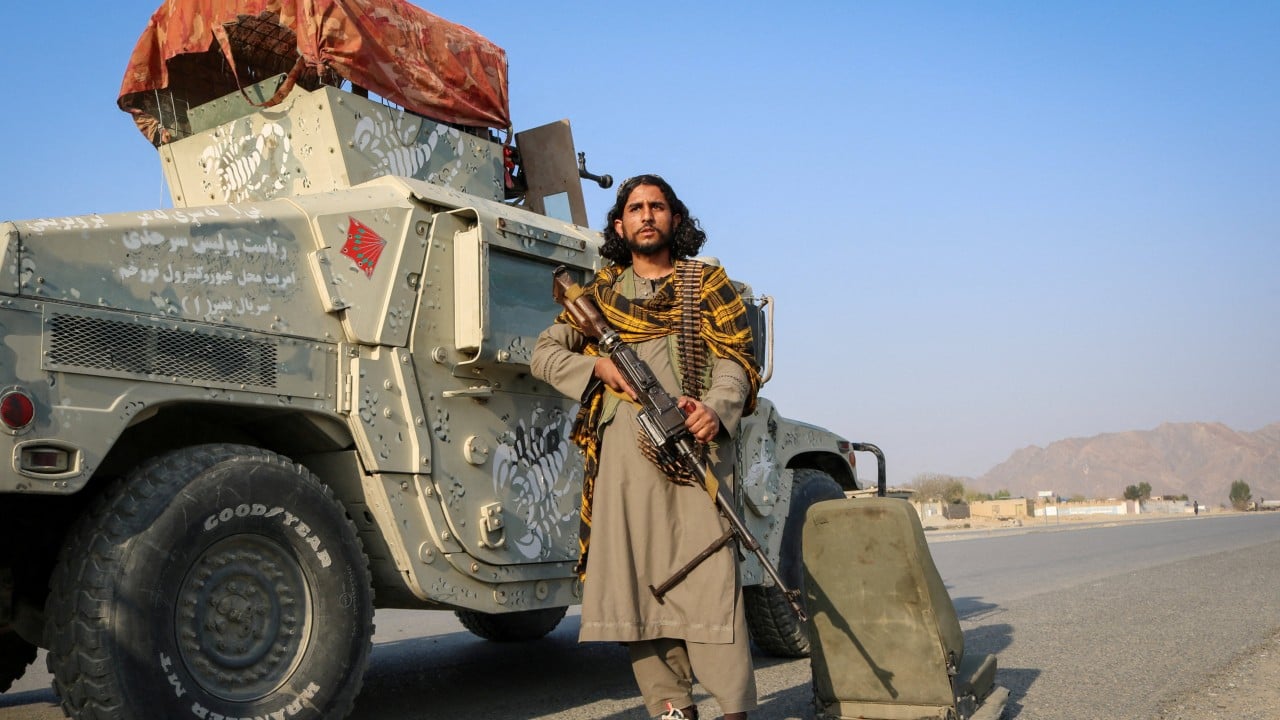
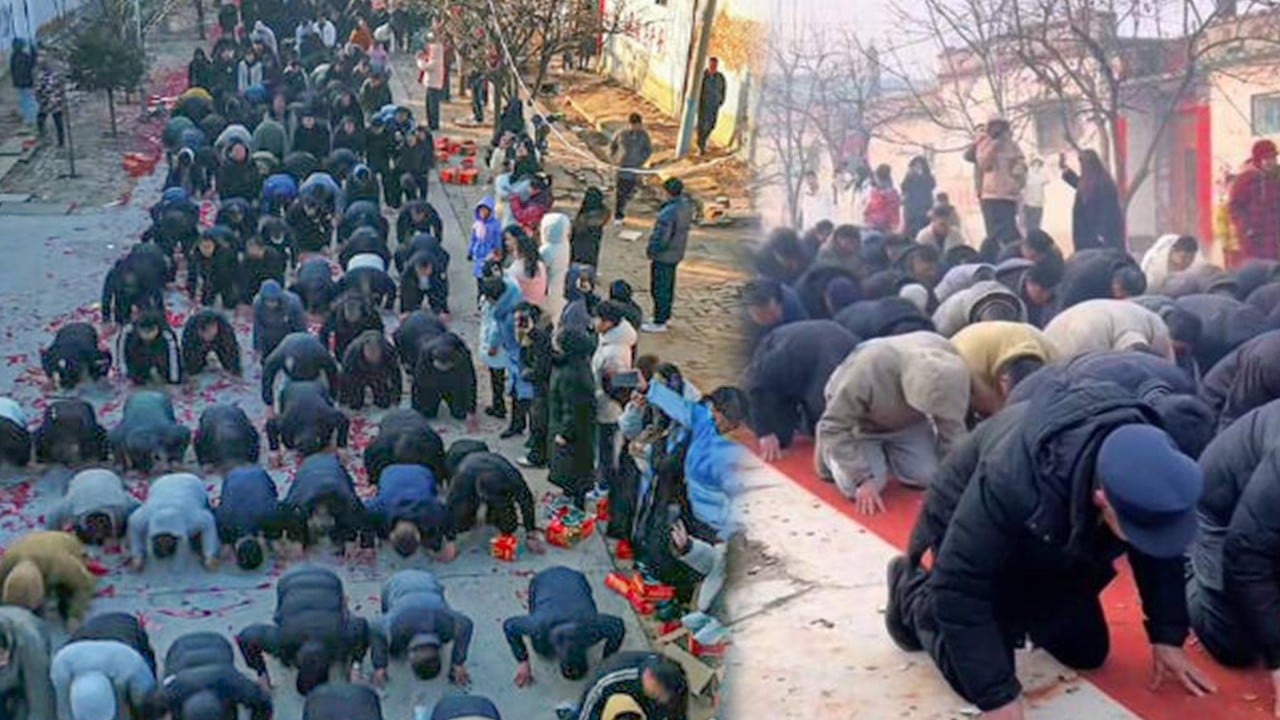
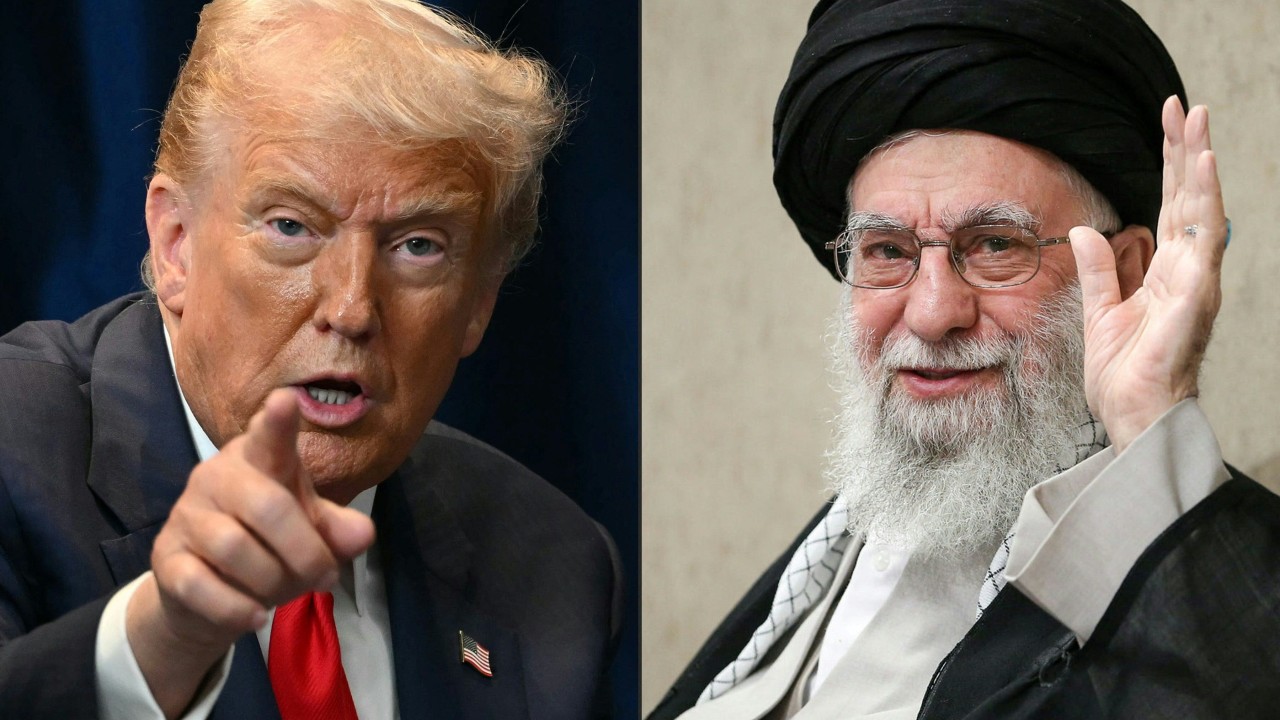
The headlines are screaming about a "major" operation. The pundits are dusting off their 2003 playbooks, convinced that a few well-placed munitions and a viral tweet from Mar-a-Lago will flip the script in Tehran. It’s a seductive fantasy. Donald Trump tells the Iranian people to "take over" their government while U.S. and Israeli assets light up the night sky. The media calls it a turning point.
I call it a misunderstanding of how power actually works.
If you think a population living under a sophisticated surveillance state is going to rush the gates of the Green Zone because an American president told them to on social media, you aren’t paying attention to history. You’re watching a movie. This isn't about liberation; it's about the fundamental misunderstanding of "Kinetic Diplomacy."
The Myth of the Spontaneous Uprising
The "lazy consensus" among Western analysts is that the Iranian public is a coiled spring, just waiting for a foreign hammer to shatter the glass so they can jump. This ignores the "Rally 'Round the Flag" effect that has sustained every autocracy from Havana to Pyongyang for the last seventy years.
When foreign bombs drop, the first instinct of a population isn't to thank the pilot. It’s to survive. By explicitly linking internal dissent to foreign military strikes, the U.S. and Israel have just handed the Islamic Revolutionary Guard Corps (IRGC) their greatest recruitment tool since the Iran-Iraq War.
Every legitimate grassroots movement in Iran—from the Green Movement of 2009 to the "Woman, Life, Freedom" protests—has struggled specifically because the regime paints them as "Zionist-American puppets." When Trump confirms that narrative by synchronizing rhetoric with airstrikes, he doesn't empower the protestors. He poisons them. He makes their struggle a matter of national treason rather than civil rights.
Weapons Don’t Create Vacuums; They Create Chaos
The strategic community loves to talk about "decapitation strikes." They imagine hitting a few key command centers and watching the clerical establishment melt away. I’ve seen this brand of arrogance before. It’s the same logic that suggested Iraqis would greet us with sweets and flowers.
In reality, the IRGC is not a centralized hierarchy that collapses when you hit the top. It is a massive, decentralized economic and military conglomerate. It owns the ports. It owns the telecommunications. It owns the construction companies.
Imagine a scenario where the central government actually does buckle. You aren't left with a Jeffersonian democracy. You are left with 150,000 armed IRGC members, several heavily armed regional militias, and a power vacuum that makes the Syrian Civil War look like a neighborhood dispute. If you destroy the head, the body doesn't die—it turns into a thousand stinging wasps.
The Sanctions Fallacy
We are told that "Maximum Pressure" combined with military action will bankrupt the regime into submission. This is a fundamental misunderstanding of "Autarkic Resilience."
Highly sanctioned regimes don't go bankrupt; they go underground. They develop "shadow economies" that enrich the most loyal, most brutal elements of the security apparatus while crushing the middle class—the very people who would actually lead a democratic transition. By the time the bombs start falling, the people with the most to lose have already lost it. The only people left with power are those holding the rifles.
- Fact: Sanctions in Iran have historically increased the IRGC's share of the black market.
- Fact: Kinetic strikes rarely trigger domestic coups unless the military itself decides to flip.
- Fact: The Iranian military is designed specifically to prevent internal coups, with the Artesh (regular army) and IRGC acting as checks on one another.
Stop Asking the Wrong Question
The media asks: "Will this be the end of the Mullahs?"
The real question is: "What comes after the chaos?"
If the goal is a stable, non-nuclear Iran, then turning the country into a smoking crater of sectarian infighting is the worst possible path. We have twenty years of data from Libya and Iraq proving that "regime change" is a misnomer. It's usually just "regime removal" followed by "permanent instability."
The IRGC’s "Forward Defense" strategy means that if they feel the walls closing in at home, they will set the rest of the region on fire. From Hezbollah in Lebanon to the Houthis in Yemen, the regime has enough "off-site" leverage to ensure that a strike on Tehran is felt in every oil refinery in the Persian Gulf.
The Institutional Failure of "Bold" Rhetoric
Trump’s move isn't a strategy; it’s a posture. It’s designed for a domestic audience in the U.S. that wants to feel like "something is being done." Real strategy is boring. It involves the slow, grinding work of intelligence, diplomatic isolation that actually sticks, and supporting internal dissent without hugging it to death.
Instead, we have the "Great Man" theory of history being applied to a complex, multi-layered civilization. It assumes that the Iranian people are a monolith, that the regime is a house of cards, and that American will is the only variable that matters.
I’ve watched billions of dollars and thousands of lives get swallowed by this specific brand of hubris. We are currently watching the opening credits of a sequel no one asked for.
If you want to actually dismantle the Iranian threat, you don't do it by calling for a revolution on Twitter while dropping JDAMs on military bases. You do it by making the regime irrelevant, not by making them martyrs.
The most "pro-Iranian" move the U.S. could make is to stop being the regime's best excuse for its own failures. By making this a "U.S.-Israeli operation," we’ve given the Supreme Leader exactly what he needs to stay in power for another decade: an external enemy to blame for the blood on the streets.
Stop waiting for the "takeover." It’s not coming. At least, not the way the cable news cycle promised you.
Go back and look at the "liberations" of the last two decades. Count the bodies. Check the cost. Then tell me why this time is different.
Would you like me to analyze the specific economic impact these strikes will have on global oil futures and the "Strait of Hormuz" bottleneck?