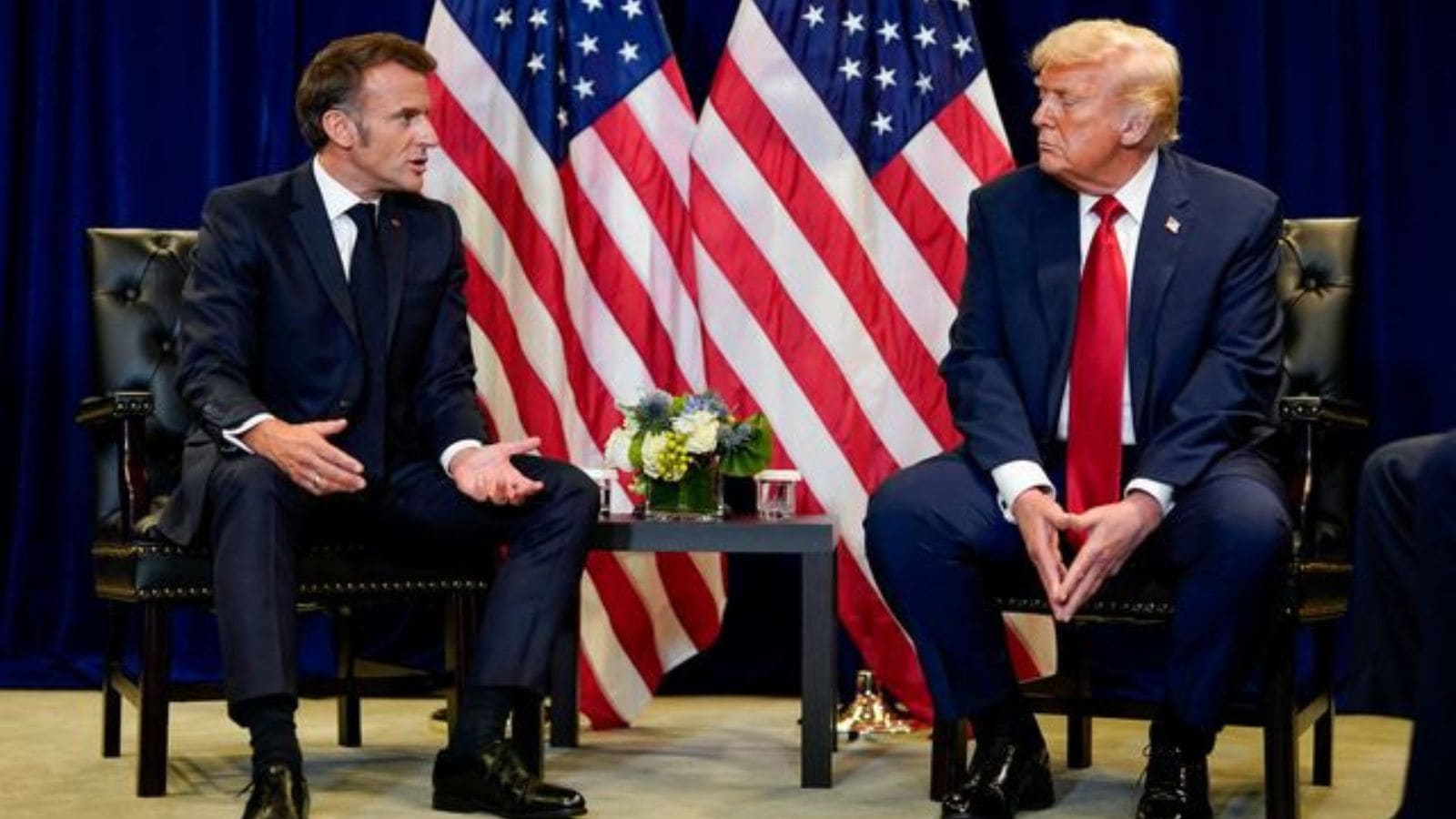
Hegseth stands behind a podium and claims the United States hasn't capitulated on a single front regarding Iran. It is a comforting narrative for a domestic audience that craves the optics of strength. It is also a fundamental misreading of how geopolitical leverage actually functions in the Middle East. To say we haven’t capitulated is to ignore the reality of a decade spent chasing a "breakout time" metric that has become entirely irrelevant. We are playing a game of checkers against a regime that has already flipped the board and started playing 3D chess with regional proxies.
The "lazy consensus" in Washington—and reflected in mainstream reporting—is that power is binary. You either "stand firm" or you "capitulate." This binary is a trap. Real power in the Persian Gulf isn't measured by the toughness of a press secretary's rhetoric or the number of carriers parked in the Strait of Hormuz. It is measured by the ability to dictate the internal calculus of your adversary. On that front, the U.S. hasn't just capitulated; it has defaulted.
The Myth of the Breakout Clock
Policy experts love to obsess over "breakout time"—the theoretical window Iran needs to produce enough weapons-grade uranium for a single nuclear device. We treat this number like a holy grail. If the clock says twelve months, we’re winning. If it says two weeks, we’re losing.
This is a distraction.
Iran does not need a finished warhead to achieve its strategic objectives. They have already achieved "threshold status," which provides 90% of the diplomatic blackmail power of a bomb without any of the international blowback of a test. By focusing entirely on the nuclear clock, the U.S. has allowed Tehran to build a "Ring of Fire" across Lebanon, Iraq, Yemen, and Syria. While we argued over centrifuges in Vienna, the Islamic Revolutionary Guard Corps (IRGC) was busy perfecting the art of deniable attrition.
When Hegseth claims no capitulation, he is ignoring the fact that the U.S. has effectively accepted the permanent presence of Iranian-aligned militias on the borders of every major regional ally. That isn't standing firm. That is a managed retreat disguised as a stalemate.
Sanctions are a Blunt Instrument in a Precision World
The standard hawk argument is that "Maximum Pressure" works because it starves the regime of cash. It’s a clean, logical theory that falls apart the moment it touches the black market.
I have watched as analysts point to the crashing rial as proof of success. But the regime doesn’t live in the rial economy; they live in the dollar-denominated shadow economy. Sanctions have not stopped the oil from flowing to China; they have simply shifted the profits from the Iranian state treasury to the IRGC’s clandestine networks.
By over-relying on financial warfare, we have forced Iran to become the world’s leading expert in sanctions evasion. They have built a parallel global financial system that is now being exported to Russia and North Korea. Our "toughness" didn't break them; it hardened them. It forced them to innovate. We are now facing an adversary that is more resilient, more connected to other pariah states, and less vulnerable to Western banking pressure than they were twenty years ago.
The Proxy Paradox: Why We Keep Losing the "Gray Zone"
The U.S. military is built for the "Big Fight." We excel at kinetic, high-intensity conflict. Iran knows this, which is why they will never give us one. Instead, they operate in the "Gray Zone"—the space between peace and total war.
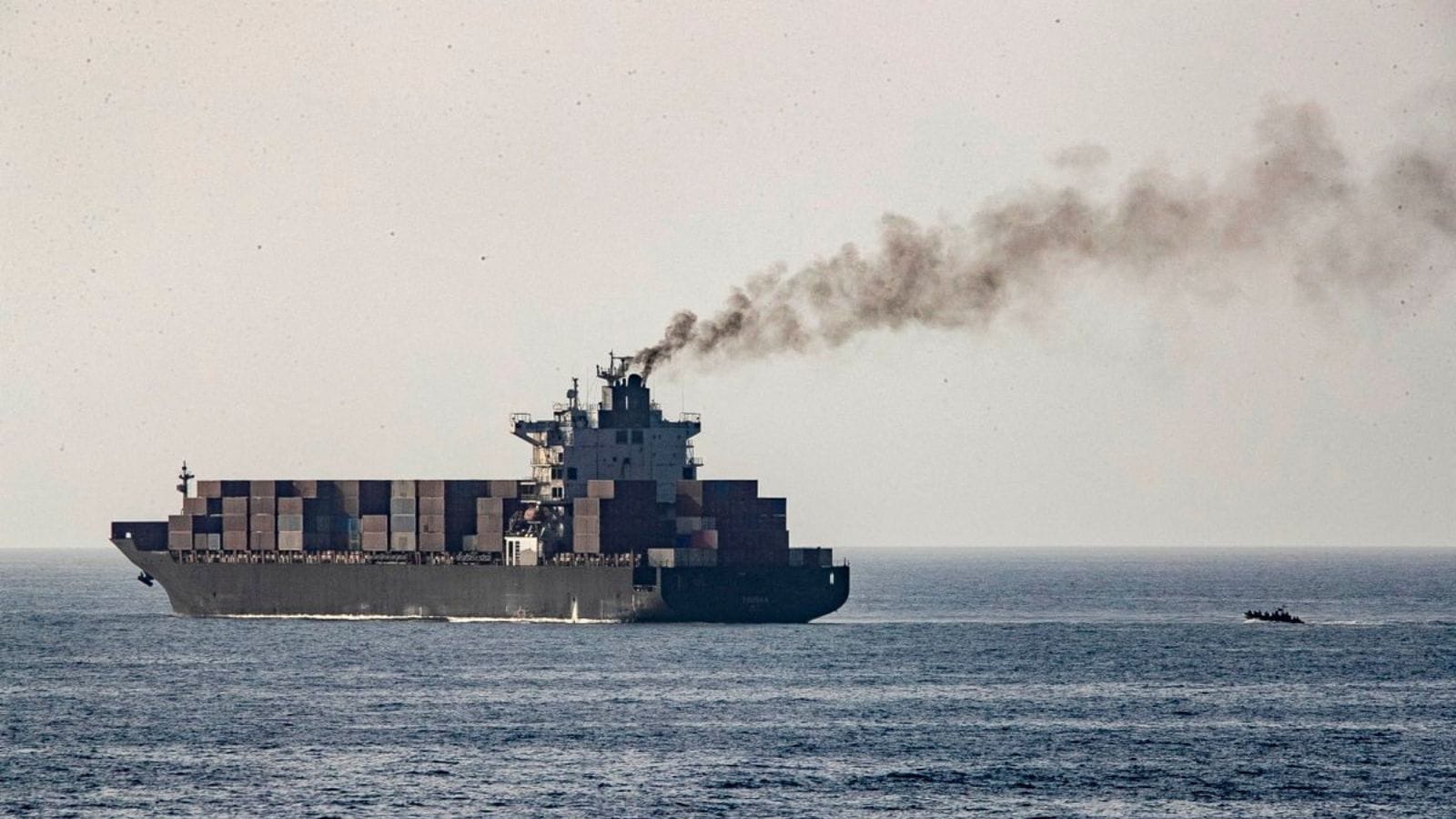
Every time a drone hits a tanker or a rocket splashes near an embassy, we look for a "proportional response." This is the ultimate form of capitulation. By responding proportionally, we allow Iran to set the price of the conflict. They decide when to escalate and when to simmer down. We are reactive.
Imagine a scenario where a tech company only responded to cyberattacks by trying to patch the specific hole the hacker used, rather than going after the hacker’s entire infrastructure. They would be out of business in a month. Yet, that is exactly our foreign policy. We treat each proxy attack as an isolated incident rather than a single, coherent campaign of regional displacement.
Stop Asking if the JCPOA is Dead
The most common question in D.C. is: "Can we get back into the nuclear deal?"
It is the wrong question. The JCPOA (Joint Comprehensive Plan of Action) was a 20th-century solution to a 21st-century problem. It addressed the "what" (uranium) but ignored the "how" (missile delivery systems) and the "who" (the IRGC).
The uncomfortable truth is that the Iranian regime views Western diplomacy as a tactical pause, not a strategic goal. They use negotiations to buy time, secure sanctions relief, and wait for the next change in U.S. administrations. To "not capitulate" would mean moving beyond the obsession with a signed piece of paper and starting to address the physical reality on the ground.
The Real Cost of "Not Capitulating"
If we were actually serious about not capitulating, the policy would look nothing like what Hegseth describes. It would require:
- Accepting the Cost of Kinetic Deterrence: Deterrence isn't a state of being; it's a constant, expensive, and risky activity. If you aren't willing to disrupt the IRGC's supply lines in real-time, you aren't deterring them.
- Economic Sabotage Over Broad Sanctions: Instead of freezing the bank accounts of every Iranian citizen, we should be focused on the surgical destruction of the regime's technical infrastructure. Broad sanctions help the regime by making the population dependent on state handouts.
- Ending the "De-escalation" Obsession: Washington is terrified of "regional conflagration." Iran uses that fear against us. Every time we signal that our primary goal is to avoid a wider war, we give Tehran a green light to push the envelope.
The current administration, and the one before it, and likely the one after it, are all guilty of the same sin: they value the appearance of stability over the reality of security. We call it "strategic patience" or "maximum pressure," but it all adds up to the same thing—a slow-motion surrender of regional influence.
The U.S. hasn't capitulated in the sense of signing a surrender document on the deck of a battleship. We have capitulated by allowing the enemy to define the rules of the engagement. We are playing their game, on their turf, at their pace.
Claiming victory while the opponent is slowly encircling your entire position isn't strength. It's delusion.
Stop looking at the podium. Look at the map.