The Pentagon wants you to believe everything is under control. Defense Secretary Pete Hegseth stood before reporters today and insisted the ceasefire with Iran "certainly holds." But if you look at the actual water in the Strait of Hormuz, it looks a lot more like a war zone than a diplomatic breakthrough.
On Monday, the US military sank six Iranian boats. Iran fired cruise missiles at American destroyers. The UAE is currently swatting drones out of the sky. Yet, the official line from Washington is that the truce isn't over. It’s a bizarre state of "armed peace" where everyone is shooting, but nobody wants to be the first to call the whole thing off.
The Fiction of a Holding Ceasefire
Basically, the US and Iran are playing a dangerous game of definitions. According to Hegseth and General Dan Caine, the Chairman of the Joint Chiefs, Iran’s recent attacks are "below the threshold" of major combat.
Since the April 8 ceasefire began, Iran has:
- Fired at commercial ships nine times.
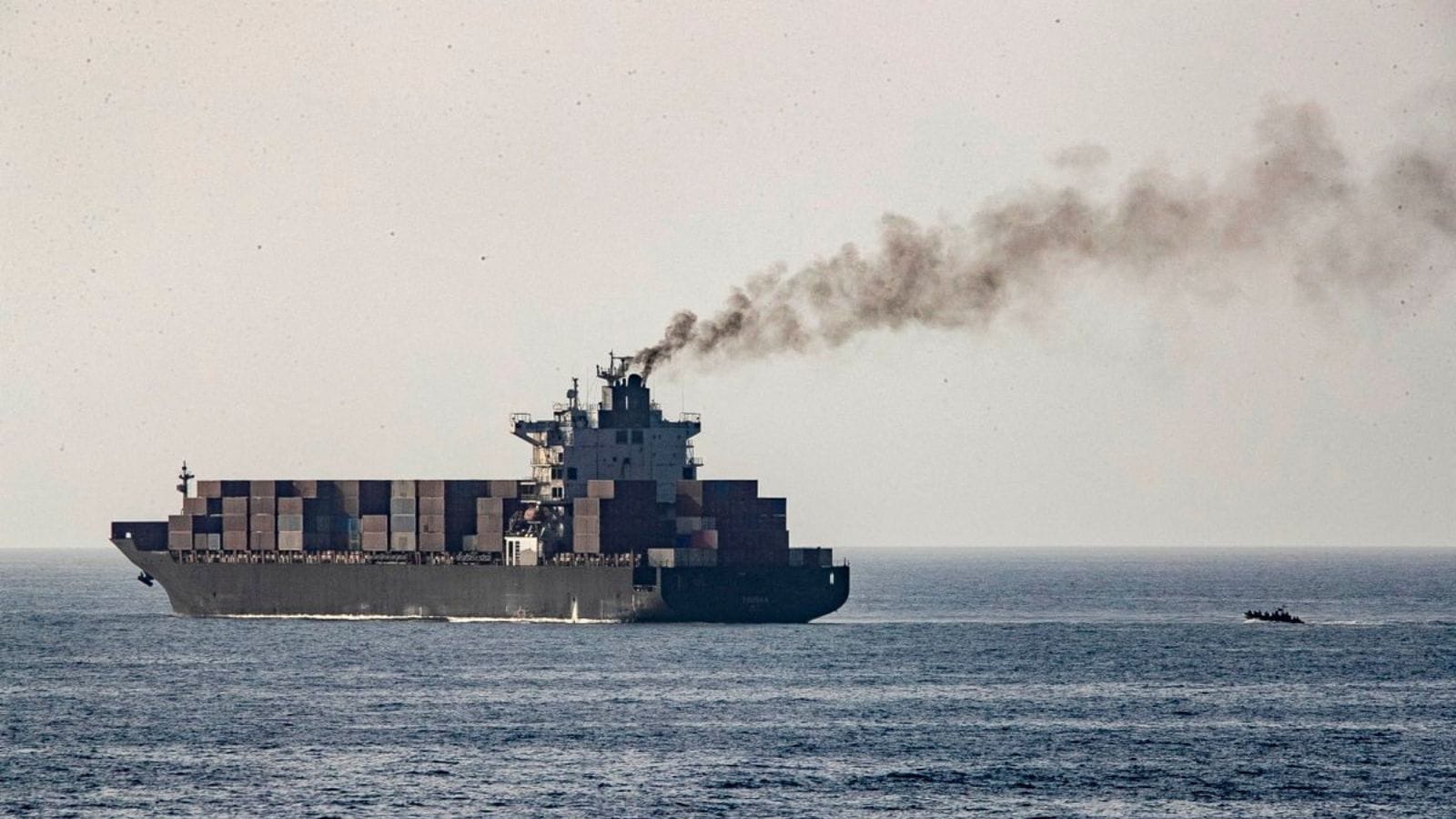
- Seized two container ships.
- Attacked US forces over 10 times.
If that’s what a ceasefire looks like, you’d hate to see an escalation. The reality is that the Trump administration needs this truce to look real. Gas prices are up 30% and there are 22,500 sailors currently trapped in the Persian Gulf on 1,550 different vessels. Washington is desperate to get those ships moving without starting a full-scale invasion.
Project Freedom vs the Iranian Blockade
The big flashpoint right now is "Project Freedom." This is the US plan to force the Strait open by physically escorting tankers through the world’s most dangerous chokepoint. Hegseth called it a "temporary solution" and a "red, white, and blue dome" over the water.
Don't get it twisted. This isn't just a friendly escort service. The US has 100 aircraft patrolling 24/7 and 15,000 troops dedicated just to this corridor. Iran sees this as a blatant violation of the ceasefire terms. They’ve effectively turned the Strait into a minefield of drones, fast-attack boats, and coastal missiles.
The Iranian Parliament Speaker, Mohammad Bagher Ghalibaf, isn't backing down. He’s warning that the US is getting bogged down in a "quagmire." He basically told the world that Iran hasn't even really started yet. It’s a classic schoolyard standoff, but with nuclear implications and the global economy hanging in the balance.
What is Actually Happening on the Water
While the politicians talk, the sailors are sweating. Two US-flagged merchant ships actually made it through the Strait yesterday. They were surrounded by guided-missile destroyers and a literal cloud of air support.
It worked, but it’s not sustainable. Hegseth admitted the US can’t do this forever. He’s calling for "the world to step up." He specifically name-dropped South Korea, hoping they’ll send their own navy to help. Honestly, it’s a bit of a reach. Most countries are terrified of getting their tankers blown up, and they aren't exactly lining up to join a mission that Iran has promised to attack.
The Problem with the Clock
There’s a legal reason Hegseth is clinging to the "ceasefire" label. By law, the White House has to get Congress to authorize war after 60 days of combat. We’ve passed that mark. By claiming the ceasefire "stopped the clock," the administration avoids a massive legal fight at home.
Democrats are already calling foul. They see the sinking of Iranian boats as a clear continuation of "Operation Epic Fury," the initial strike campaign. But as long as the Pentagon says the truce is alive, they can keep launching strikes without a new vote.
Why the Peace Talks are Stalling
Pakistan has been trying to mediate in Islamabad, but the two sides aren't even reading the same book, let alone being on the same page.
The US Demands:
- Zero nuclear enrichment from Iran.
- Immediate removal of all mines in the Strait.
- Full access for global shipping.
The Iranian Demands:
- An end to the US naval blockade of their ports.
- War reparations (good luck with that).
- Lifting of all sanctions before they stop enrichment.
Iran is offering a "10-point plan," but it’s mostly a list of things the US will never agree to. President Trump has already threatened to "blow Iran off the face of the Earth" if they keep messing with the ships. It’s hard to negotiate when one side is threatening total destruction and the other is firing missiles at your allies.
What This Means for You
If you're wondering why your wallet hurts at the pump, this is why. The Strait of Hormuz handles about 20% of the world's oil. As long as it's a shooting gallery, insurance rates for tankers are going to stay astronomical.
Don't expect a quick resolution. The ceasefire is a ghost. It exists on paper so that diplomats can keep talking in Pakistan, but on the water, it’s a tactical stalemate. The US is successfully "guiding" some ships through, but hundreds more are still sitting ducks.
If you’re a business owner or an investor, watch the "threshold." The moment one of those Iranian coastal missiles actually hits a US destroyer, the "ceasefire" fiction ends. Until then, expect more of this high-stakes convoying and the occasional sinking of a small boat.
Keep an eye on the UAE. They are the canary in the coal mine. If Iranian missiles keep raining down on Abu Dhabi, the US will be forced to restart "major combat operations," regardless of what Hegseth says at the podium. The "red, white, and blue dome" is being tested every single hour.
If you have cargo in the region, check your "Force Majeure" clauses now. The situation is volatile, and the "peace" is thinner than a sheet of paper.