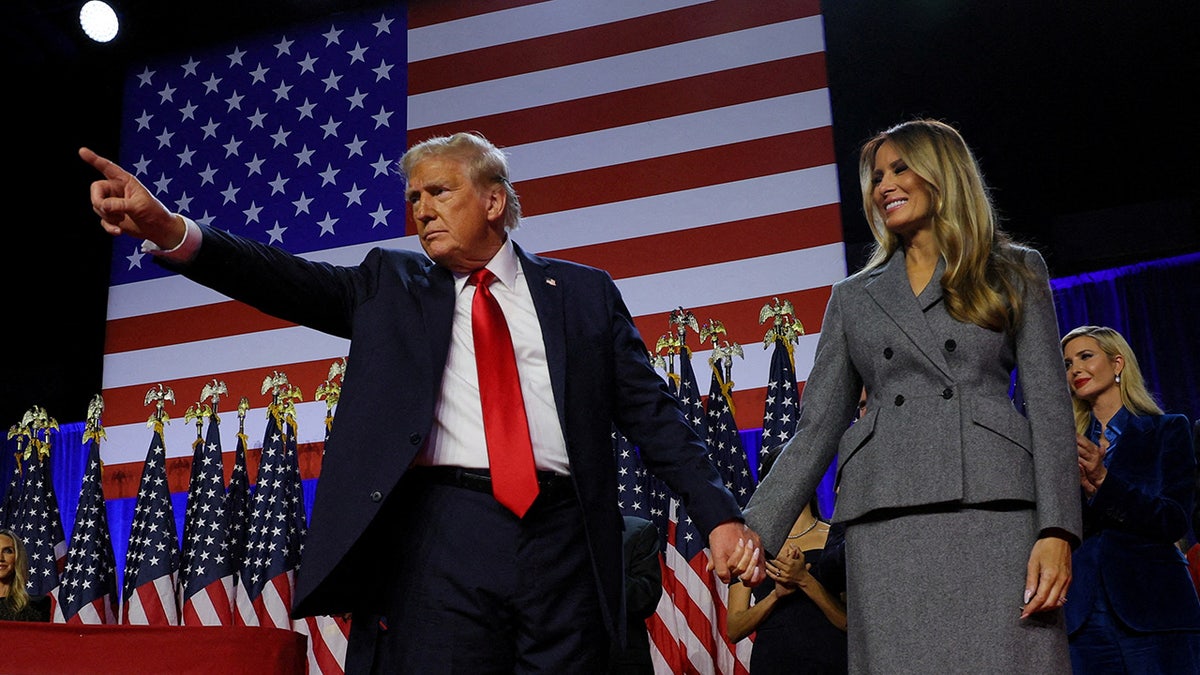
The United States is walking away from the global table. In a move that feels less like a policy shift and more like a wrecking ball, the Trump administration officially announced its withdrawal from 66 international organizations and treaties. This isn't just a repeat of the 2017 headlines. This time, the White House is digging into the bedrock of global cooperation, targeting everything from foundational climate treaties to niche commodity groups like the International Lead and Zinc Study Group.
If you're wondering why this is happening now, the answer lies in a massive review ordered back in February 2025. The administration spent months auditing every cent sent abroad. Their verdict? These 66 entities are "wasteful, ineffective, and harmful" to American sovereignty. While critics call it isolationism, the White House calls it common sense.
The Climate Exit That Breaks New Ground
The biggest shocker in this list of 66 isn't just another exit from the Paris Agreement. We’ve seen that movie before. The real story is the withdrawal from the United Nations Framework Convention on Climate Change (UNFCCC). This is the 1992 treaty signed by George H.W. Bush and ratified by the Senate. It’s the "mother" treaty that makes things like the Paris Agreement possible.
By leaving the UNFCCC, the U.S. becomes the only nation on Earth not a party to the global climate framework. It’s a total decoupling. Here’s what’s actually on the chopping block:
- The IPCC: The Intergovernmental Panel on Climate Change is the world’s gold standard for climate science. The U.S. is pulling its funding and its seat at the table.
- The UNFCCC: This is the diplomatic engine. Without it, the U.S. doesn't even show up to the annual COP summits as a member.
- Renewable Energy Bodies: Organizations like the International Renewable Energy Agency (IRENA) and the International Solar Alliance are also on the exit list.
The administration’s logic is blunt. They argue these groups prioritize "globalist agendas" over American energy independence. They don't want to pay for research that advocates for cutting fossil fuels when the White House is busy trying to ramp them up. It’s a direct clash of ideologies where science is treated as a political opponent.
Stripping the UN Down to the Studs
It’s not just about the environment. The list of 31 UN-affiliated organizations being abandoned is a "who’s who" of international bureaucracy. The administration is targeting groups that handle everything from urban development to gender equality.
For instance, the U.S. is leaving the UN Population Fund (UNFPA). This has been a political football for years because of its work in reproductive health, but this total withdrawal goes further than previous funding freezes. They're also ditching the UN Entity for Gender Equality and the Empowerment of Women (UN Women) and the UN Democracy Fund.
Why go after the small stuff too? Groups like the International Cotton Advisory Committee and the International Tropical Timber Organization seem harmless, right? Not to this State Department. Secretary of State Marco Rubio has characterized these bodies as "anti-American, useless, or wasteful." The philosophy is simple: if it doesn't provide a clear, immediate, and measurable benefit to the American taxpayer, it’s gone.
Sovereignty vs. Strategy
There’s a massive legal cloud hanging over this. Since the UNFCCC was a Senate-ratified treaty, legal scholars are already sharpening their pencils. Can a President unilaterally walk away from a treaty that the Senate approved? The administration says yes, citing "plenary power" over foreign affairs. Critics say no, arguing it requires legislative consent to undo what was legislatively done.
While the lawyers argue, the strategic damage is already piling up. By leaving these groups, the U.S. loses its "legitimizing weight." We aren't in the room to influence how trillions of dollars in global investments are funneled. We aren't there to shape the rules for international trade in lead, zinc, or timber.
When America leaves the room, the room doesn't stay empty. Other powers, most notably China, are more than happy to pull up a chair. We're trading a seat at the head of the table for a view from the parking lot.
What This Means for Your Wallet
You might think these high-level exits don't affect you, but global standards dictate the price of almost everything. When the U.S. withdraws from the International Lead and Zinc Study Group or the International Energy Forum, it loses its ability to coordinate on commodity stability. That can lead to more volatile prices for raw materials used in everything from batteries to construction.
The administration claims this will save billions. They want to redirect that "blood, sweat, and treasure" toward domestic infrastructure and border security. It’s a gamble that the savings at home will outweigh the loss of influence abroad.
The Reality of a Fragmented World
We're entering an era where "international law" is being treated as a suggestion rather than a rule. In recent interviews, Trump has been clear that his powers are limited only by his "own morality," not by treaties signed decades ago. This isn't just a policy change; it’s a fundamental shift in how the U.S. views its place in the world.
The U.S. will still participate in the UN Security Council and the World Food Programme. The administration admits some groups are "essential" for security and humanitarian needs. But the message to the rest of the 66 is clear: the check is no longer in the mail.
To stay ahead of how these changes might impact your industry or investments, you should track the specific timelines for these withdrawals. Most treaties, like the UNFCCC, require a one-year notice period. This means the real-world effects will start hitting the fan in early 2027. Keep an eye on the legal challenges in the D.C. Circuit Court, as they will determine if these exits are permanent or just a temporary political stunt.