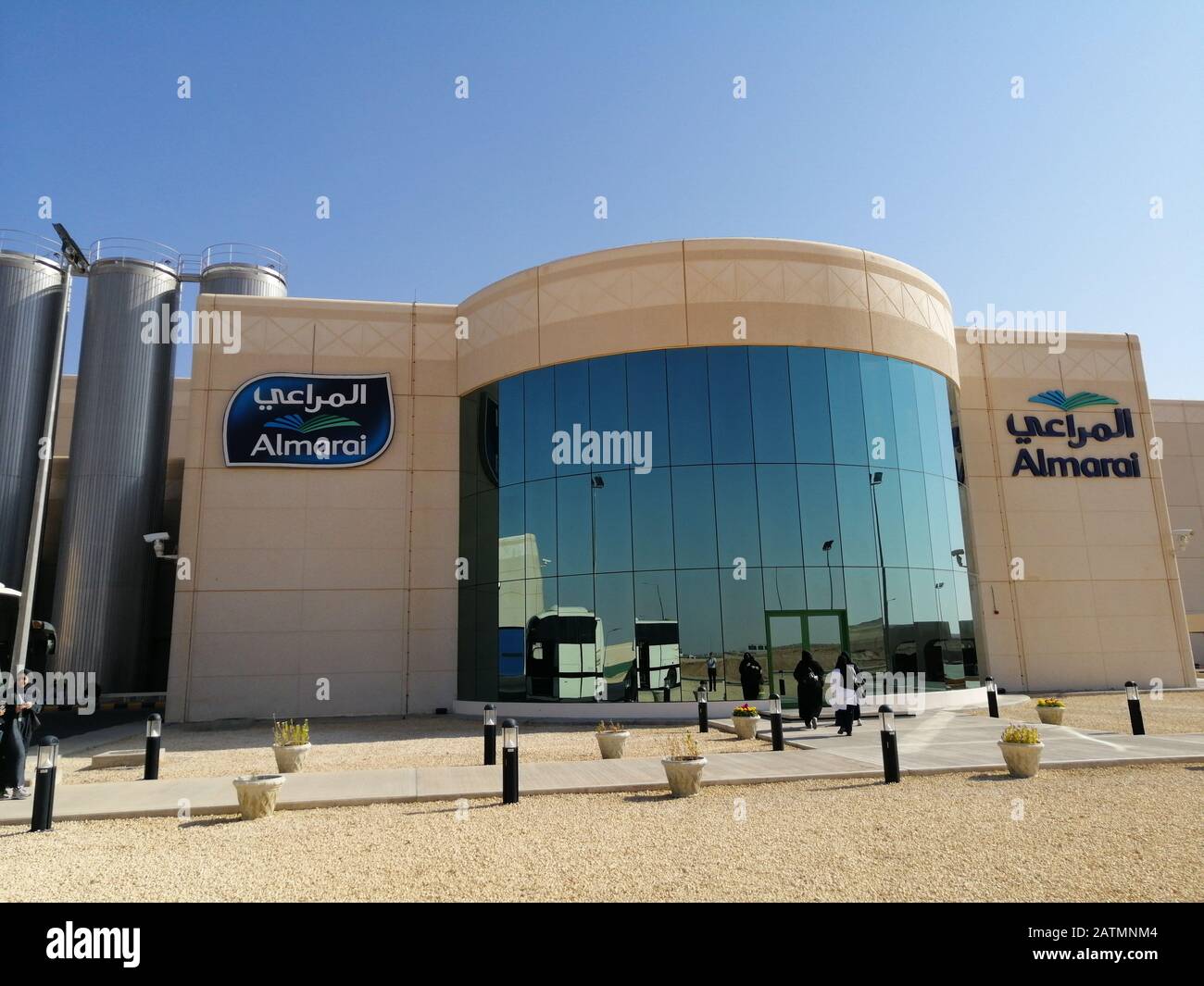
Arizona finally drew a line in the sand. Or rather, in the dirt. After years of local outrage and drying wells, the Saudi-owned dairy giant Almarai, operating through its subsidiary Fondomonte, agreed to stop pumping massive amounts of groundwater in the Butler Valley. This isn't just a corporate PR move. It’s a desperate response to a state that’s finally realizing it can't treat its underground aquifers like an infinite ATM.
For a long time, the deal was almost too good to be true for foreign companies. They could buy or lease land in rural Arizona, drill deep, and pump as much water as they wanted for free. No meters. No limits. No accountability. While local residents watched their domestic wells go dry, Fondomonte was growing thirsty alfalfa to ship back to the Middle East to feed cattle. The optics were terrible. The math was worse.
Now, under intense pressure from Governor Katie Hobbs and a public that’s increasingly terrified of a waterless future, the company is packing up its pipes in specific basins. But if you think this solves the Arizona water crisis, you’re dreaming. This one victory highlights a much larger, uglier reality about how we manage—or fail to manage—the most precious resource in the desert.
The Butler Valley deal and why it happened now
The specific agreement involves Fondomonte giving up its water rights in the Butler Valley. This wasn't a voluntary act of kindness. The state moved to terminate their leases, citing various violations and a need to protect the "water bank" intended for Phoenix.
Arizona’s groundwater laws are a weird, fractured mess. In big cities like Phoenix and Tucson, we have the 1980 Groundwater Management Act. It’s strict. It requires developers to prove they have a 100-year supply of water before they build. But go outside those protected "Active Management Areas" (AMAs), and it’s basically the Wild West. In rural counties like La Paz, where Fondomonte operated, the law of the biggest pump wins. If you have the money to drill deeper than your neighbor, the water is yours.
Fondomonte wasn't doing anything illegal for a long time. They were just playing the game by the rules Arizona wrote decades ago. The problem is those rules were written when we thought the water would last forever. It won't.
The hidden cost of alfalfa exports
Why was a Saudi company growing hay in the Arizona desert? Because Saudi Arabia banned the cultivation of thirsty crops like alfalfa years ago to protect their own dwindling water supply. They effectively outsourced their water consumption to us.
- Alfalfa is one of the thirstiest crops on the planet.
- It requires multiple harvests a year in the Arizona heat.
- Most of this specific crop was baled and shipped across the ocean.
When you export alfalfa, you’re essentially exporting Arizona groundwater in solid form. It’s a one-way trip. Once that water is sucked out of the aquifer and sent to Riyadh, it doesn't come back to the Colorado River or the local water table. It’s gone.
Why the Fondomonte exit is only a drop in the bucket
It feels good to see a giant corporation get kicked out for "stealing" water. It makes for a great headline. But let’s look at the numbers. While Fondomonte was a high-profile target, they aren't the only ones. Domestic corporate farms and massive nut orchards owned by investment firms are doing the exact same thing across the state.
The Butler Valley is unique because it was designated as a "transportation basin." This means the water there was legally earmarked to be piped to cities in the future. By clearing out Fondomonte, the state is protecting its own future growth. But in places like the Willcox Basin or the Kingman area, there is no such protection. There, the groundwater levels are dropping by feet every single year, and there’s no plan to stop it.
We’re essentially cannibalizing our future to support short-term agricultural exports. About 70% of Arizona’s water goes to agriculture. That’s a tough pill to swallow when suburban homeowners are being told to pull out their grass and take shorter showers.
The 100 year supply myth
In the cities, we talk about the "100-year water supply" like it’s a guarantee. It isn't. It’s a projection based on historical data that is rapidly becoming obsolete. Climate change and a 20-year drought have shifted the baseline. The Colorado River is shrinking. The "tier" cuts are getting deeper. When the river water disappears, cities turn to groundwater.
If we let big ag pump the aquifers dry now, there’s no "Plan B" when the taps in Phoenix start to sputter. The Fondomonte deal is a tactical win, but we're still losing the war.
What actually needs to change to save Arizona
If we want to avoid a future where rural towns become ghost towns because the wells ran dry, we need to stop celebrating one-off wins and fix the system.
- Regulate Rural Groundwater Everywhere: The distinction between AMAs and "unregulated" rural land has to go. We need statewide metering. You can't manage what you don't measure.
- End the Free-for-all: We need to stop giving away water for free to industrial-scale users. If you're pumping thousands of acre-feet for profit, you should pay a replenishment fee that goes toward water conservation tech.
- Local Control over Basins: Rural communities should have the power to create their own "Active Management Areas" without jumping through impossible legislative hoops. Right now, the state legislature makes it incredibly hard for local residents to protect their own water.
I've talked to farmers in Cochise County who have lived there for generations. They aren't corporate giants. They're families. And they're terrified. Their domestic wells—the ones they use for drinking, cooking, and bathing—are failing because a corporate farm three miles away put in a high-capacity industrial well. That shouldn't be legal in a modern society.
The political hurdle
The reason these laws haven't changed isn't a lack of data. It’s a lack of spine. The agricultural lobby in Arizona is incredibly powerful. They view any regulation on groundwater as an infringement on property rights. But here’s the reality: your property right to land doesn't give you the right to destroy the shared resource underneath everyone else’s land.
Governor Hobbs used her executive power to end the Fondomonte leases, which was a bold move. But permanent change requires the legislature to act. Until they do, the next big agricultural giant is just waiting for the dust to settle so they can lease the next plot of unregulated land.
Moving beyond the headlines
Don't let the news about the Saudi farm fool you into thinking the problem is solved. It’s just the most visible symptom of a systemic disease. The state is still overallocating water. We're still growing the wrong crops in the wrong places.
If you live in Arizona, you need to be looking at the groundwater maps for your specific area. Don't assume that because your faucet works today, it will work in ten years. The "Great Pump-off" is still happening.
Check your local water board's reports. Demand to see the "Assured Water Supply" filings for any new development in your area. If the developer is relying on "hidden" groundwater or paper water that doesn't physically exist, make some noise. The era of cheap, easy water in the desert is over. The sooner we admit that, the better chance we have of actually surviving here long-term.