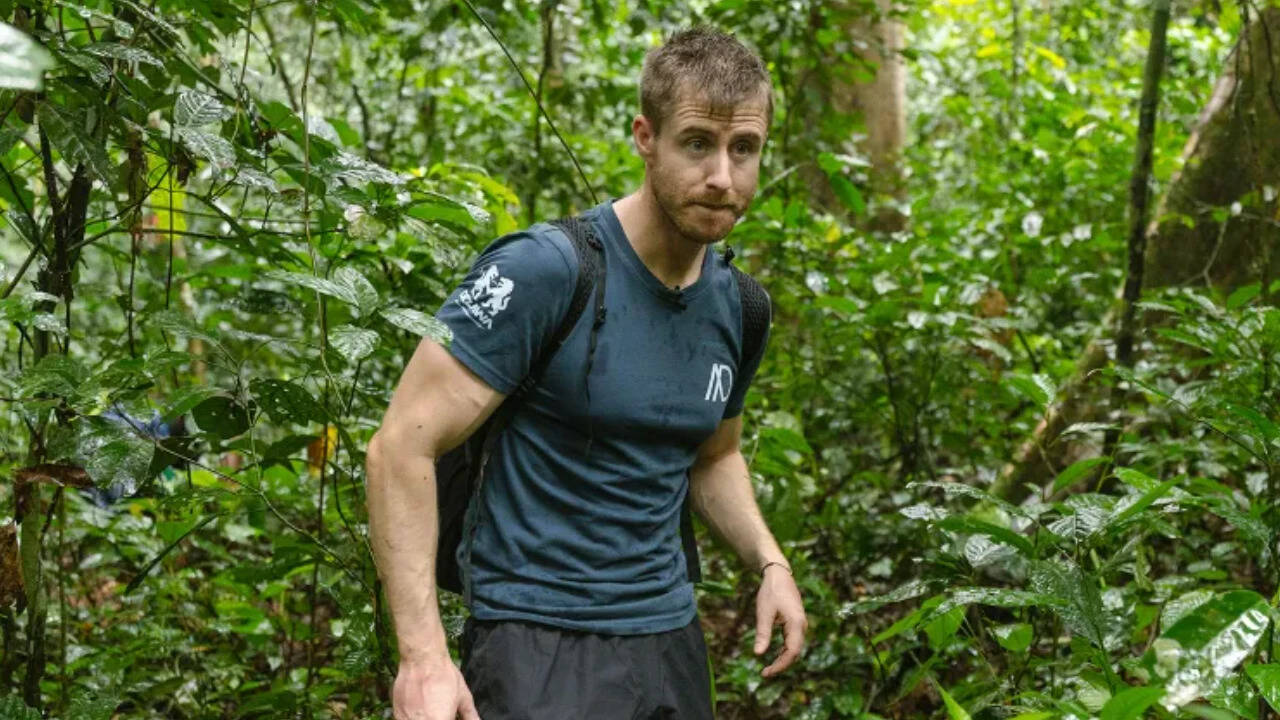
When extreme adventurer Ash Dykes went dark for more than sixteen hours during the opening leg of his Project 6 expedition down the Sangha River, the internet did what the internet always does. It panicked in real-time. Social media feeds filled with anxious speculation, support teams posted holding statements, and armchair explorers debated the worst-case scenarios across an unyielding stretch of the Congo Basin.
Then the satellite link reconnected. A status update cleared the air: power issues with equipment in a dense jungle dead zone had simply cut off the signal, and Dykes was continuing his grueling 800-kilometer paddle toward Mossaka.
Crisis averted. But the brief communication blackout exposes a deeper paradox in contemporary adventure travel. We claim to admire raw, unvetted exploration, yet we demand instant updates, live locations, and a digital safety blanket.
The Illusion of Remote Isolation
Modern expedition logistics rely heavily on micro-connectivity. Solar panels, portable power banks, and low-earth orbit satellite transceivers mean that an explorer can theoretically livestream their suffering from the most remote riverbanks on Earth. Audiences have grown accustomed to zero friction between the wild and the screen.
When that pipeline snaps for even a few hours, the psychological disconnect for the watching world is jarring.
We expect total isolation from our heroes, yet we panic the moment they are actually isolated. Sixteen hours without a ping in the Congo Basin is not an emergency; it is the baseline reality of moving through a dense rainforest canopy where heavy foliage, violent weather, and hardware degradation routinely disrupt satellite telemetry. The real anomaly is not that Dykes lost contact for a day. The anomaly is that we expect to know where everyone is, all the time, down to the exact GPS coordinate.
Behind the Lens of Project Six
Project 6 is designed to push human limits: six extreme environments across twelve months. The Congo Basin leg—paddling inflatable kayaks hundreds of kilometers down unpredictable waterways alongside hippos, crocodiles, and shifting ecosystems—demands absolute focus. Every hour spent troubleshooting a satellite modem or drafting social media dispatches is an hour diverted from river navigation and survival.
Expedition support teams face an impossible balancing act. Silence breeds panic among followers and sponsors. Yet demanding constant, uninterrupted data feeds from a solo paddler navigating malaria zones and remote channels creates unnecessary pressure. Exploration used to be defined by total separation from home. Today, it is weighed down by the heavy anchor of constant digital accountability.
The 16-hour silence on the Sangha River should serve as a reminder. True wilderness does not care about uptime. Until we accept that high-risk travel involves periods where humans drop off the grid entirely, every minor technical glitch will be misread as a tragedy.
The signal came back. The paddle continues. But the next time a screen goes dark in the jungle, the best response from the outside world might just be silence
Ash Dykes Vanished for 16 Hours in the Congo...
This video explores the context behind Ash Dykes' journey through the Congo Basin and the reality of navigating some of Africa's most remote waterways.