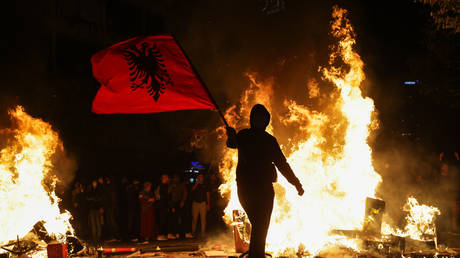
When you watch videos of petrol bombs flying near Tirana's government buildings or smoke rising outside banks, it's tempting to look for a single mastermind pulling the strings. Prime Minister Edi Rama has certainly tried to point one out, blaming foreign actors, Russian influence, Iran, and vague outside agitators for turning street anger into chaos. Yet the Albania riots that swept the country across late 2025 and 2026 weren't conjured by a secret foreign command room. They grew out of a messy, overlapping collision between local coastal anger, high-level corruption scandals, Gen Z student exhaustion, and a political class that many Albanians feel no longer answers to anyone.
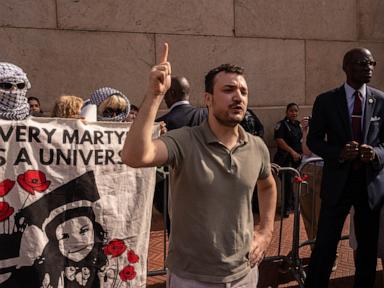
If you want to understand who is actually driving the unrest, you have to stop treating "the protesters" as one monolith. Different groups hit the streets for different reasons, sometimes marching side by side and sometimes turning their anger on the exact same establishment politicians who claim to speak for them.
How Coastal Anger Became the Albania Riots
A lot of outside coverage makes it sound like the unrest popped up overnight in October 2026 when students clashed with riot police. Not even close. The fuse was lit months earlier along the coast, starting with land and development fights in places like Baks-Rrjoll in February 2026 and exploding around Zvërnec, Pishë Poro–Narta, and Sazan Island in May and June.
At the center of that coastal storm were massive luxury tourism plans tied to Jared Kushner's Affinity Partners, alongside local property disputes and rapid changes to rules governing protected areas, cultural heritage, and strategic investments. When barbed wire went up around Pishë Poro beach near the Narta Lagoon in late May, residents and environmentalists tore it down. Clashes with private security guards—including a confrontation at Portonovo on May 30 that drew pepper spray and national outrage—pulled local land grievances straight into Tirana.
Greater flamingos living in the Vjosa–Narta wetlands became the movement's unlikely emblem, giving rise to what observers called the "Flamingo Revolution". For locals watching their coastline fenced off for high-end resorts, the fight wasn't abstract geopolitics. It was about public access, fragile wetlands, and a recurring feeling that ordinary citizens get pushed aside whenever big money arrives.
The Old Guard vs. The New Street Movements
Anyone blaming a single political party misses how fractured Albanian politics has become. Traditional opposition figures, led by Sali Berisha and the Democratic Party, have spent months attacking Rama over disputed 2025 election results, alleged state capture, and corruption cases involving senior officials such as Deputy Prime Minister Belinda Balluku. Those demonstrations have frequently turned combative, featuring flares, fireworks, petrol bombs, and clashes outside the Prime Minister's Office and Parliament.
Yet plenty of young demonstrators don't trust the traditional opposition either. I've seen this pattern repeat across Balkan protest movements: citizens show up furious at the ruling party, only to chant against veteran politicians in the same breath because they view both sides as products of the same closed system. Even during the Rrjoll land protests, locals questioned why opposition figures weren't backing their fight against a developer linked to people close to Berisha.
Alongside the main party rallies, smaller civic and reformist groups—including Lëvizja Bashkë, led by Redi Muçi/Arlind Qori's network, and Shqipëria Bëhet under Adriatik Lapaj—pushed their own campaigns over budget priorities, flood accountability in Durrës, and public tender transparency. Then, on October 13, 2026, university and high school students took over the momentum in Tirana and other cities, bringing street blockades, arson attacks on banks and public buildings, and fierce clashes with police.
What makes this phase different is how personal the stakes feel for young people. Rising study costs, cramped dorms, low wages, and high emigration have left many students feeling they have no real future at home. When corruption scandals—including the September 2026 suspension and house arrest of intelligence chief Vlora Hyseni over alleged ties to organized crime figure Ergys Agasi—hit the headlines, frustration boiled over fast.
Why Foreign-Plot Claims Fall Short
Rama has repeatedly argued that foreign interference, disinformation networks, or outside actors like Russia and Iran are trying to destabilize Albania and derail its path toward the European Union. Analysts and independent outlets have noted that he has offered little concrete evidence to back those broad accusations.
Framing domestic street anger as a foreign plot is a classic political reflex—it lets leaders dodge uncomfortable questions about governance, corruption, and living standards at home.
💡 You might also like: Why Ten Settler Arrests Barely Scratch West Bank Violence
That doesn't mean every violent act during a chaotic protest is organized by peaceful students or local landowners. Researchers and commentators in Tirana have pointed out that large street demonstrations often attract opportunistic or unruly individuals whose actions don't match the broader movement's goals. Still, calling a homegrown explosion of anger over land deals, living costs, and impunity a foreign operation oversimplifies what is happening on the ground.
Meanwhile, the Special Anti-Corruption Structure (SPAK) has become a central fault line in its own right. Created with strong international backing and widely viewed by citizens as more trustworthy than traditional institutions, SPAK's investigations into high-ranking figures have shown that accountability isn't purely theoretical—even if protesters argue real systemic change is still moving far too slowly.
What Happens Next on the Ground
The standoff has hardened rather than cooled. The government has leaned on tough policing, arrests—including of minors—and an October 28 normative decree raising fines sharply and creating new protest restrictions, while protesters have rejected talks and demanded Rama's resignation alongside deep political reform. European officials have urged restraint and investigations into alleged police overreach while warning against violence, and diaspora groups abroad have started organizing solidarity actions and letters of their own.
If you're following the situation closely or planning travel or work around Albania right now, don't rely on viral social media clips alone. Check daily updates from established outlets like Reuters, AP, Balkan Investigative Reporting Network (BIRN), and Tirana Times, along with official advisories from your embassy or the EU delegation. Expect sudden road closures, transit delays, and heightened police perimeters in central Tirana—especially around Dëshmorët e Kombit Boulevard, the Prime Minister's Office, and major protest dates—and steer clear of crowds the moment tensions start rising.