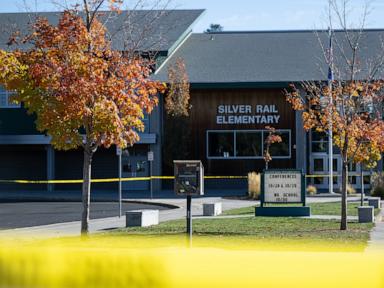
Grieving parents hire lawyers. Lawyers file subpoenas. Everyone waits for justice.
That is the script. We have seen it play out after tragedy after tragedy. When parents retain civil litigation counsel to investigate school safety plans and the provenance of the firearm used in an attack, the immediate public reaction is almost always sympathetic and predictable: someone has to be held accountable, and maybe a courtroom discovery process will finally surface the truth.
The lazy consensus assumes that aggressive post-incident litigation is the sharpest instrument available to expose institutional negligence and curb future violence. It treats a civil lawsuit as an investigative engine of first resort, capable of untangling both school security failures and downstream or upstream gun transactions.
That assumption is comforting. It is also operationally backwards.
Civil litigation is not a rapid-response safety audit or a comprehensive criminal investigation. It is a slow, adversarial, rule-bound contest designed to assign financial liability under specific legal standards—often years after the event, long after memories have hardened, digital logs have cycled out, and institutional narratives have been rehearsed by defense counsel. Relying on civil discovery to uncover what actually went wrong on a campus or how a weapon changed hands confuses a remedy for harm with a reliable mechanism for systemic truth.
The Illusion of the Courtroom as a Truth Machine
Most people picture civil discovery like a television drama: a determined attorney demands documents, corners a reluctant administrator or firearm seller under oath, and pulls a smoking gun out of a filing cabinet.
Anyone who has spent years watching complex institutional disputes unfold knows how messy the reality is. Discovery is not a free-ranging quest for every relevant fact; it is a battleground governed by relevance objections, privilege claims, protective orders, motion practice, and negotiated limits. Institutions—whether school districts, municipalities, private schools, or commercial entities in the firearms supply chain—do not sit passively waiting to hand over their worst emails. They retain experienced defense teams whose entire job is to narrow the scope of production, assert statutory immunities, and protect their clients' exposure.
Even when records are produced, volume is not clarity. A school district can bury critical context inside tens of thousands of pages of routine schedules, maintenance logs, and policy manuals. Worse, civil lawsuits frequently get bogged down for years in threshold legal fights over duty of care, proximate cause, sovereign or qualified immunity, or statutory protections governing firearm sales and transfers. By the time a court rules on dispositive motions or a case reaches depositions, the immediate operational details that matter most to preventing the next tragedy have already been filtered through layers of legal strategy.
There is a sharper point here that gets lost in headlines about grieving families hiring attorneys. Retaining counsel is an understandable human response to unimaginable loss. Parents deserve fierce advocacy and answers. Yet treating the filing of a civil suit as the primary vehicle to "probe school plans and gun purchase" misreads what civil litigation can realistically accomplish and how quickly it moves.
School Safety Plans vs. Real-World Execution
When families and commentators scrutinize a school's safety plan after an attack, they usually look for missing policies or unreviewed checklists. Did the district have an emergency operations plan? Were doors supposed to be locked? Was a threat assessment team in place?
Having spent years observing how organizations handle crisis preparedness and post-incident reviews, I have seen institutions pour substantial money and effort into glossy safety binders and compliance drills that look impressive on paper and fail under stress. A written plan is an artifact, not a capability. In real emergencies, outcomes hinge on mundane, unglamorous execution: whether staff actually know how to initiate a lockdown without hesitation, whether radio and alert systems work across concrete walls and dead zones, whether exterior doors are propped open for convenience, and whether behavioral warning signs are connected across classrooms, counselors, and local law enforcement.
Civil litigation excels at asking whether a written rule existed or whether a specific employee breached a recognizable duty. It is far clumsier at diagnosing cultural drift, fragmented communication, or training gaps that existed across an entire system. Worse, once litigation is anticipated or underway, institutional incentives shift immediately from candid self-examination to defensive self-preservation. Candid after-action candor dries up fast when every internal note could become an exhibit.
The Paper Trail Behind a Gun Purchase
Probing how a firearm was acquired presents a different set of structural hurdles. In civil actions involving a gun used in a school shooting, plaintiffs' lawyers often try to trace the weapon's path—whether it was purchased legally by an adult, bought through a licensed dealer, transferred privately, stolen, or obtained through a straw arrangement—and test whether any party acted negligently or unlawfully in the transfer.
From a purely investigative standpoint, civil litigants are often playing catch-up. Law enforcement agencies have criminal investigative tools, search warrants, trace requests, and immediate access to crime scene evidence and witnesses right after the incident. Civil attorneys typically enter later, face stays or limitations while criminal matters proceed, and must build their evidentiary record through civil rules.
Even when a firearm's transaction history is traced, proving civil liability is a steep climb. Depending on the jurisdiction and the exact facts of the acquisition, defendants may argue that an intervening criminal act broke the chain of proximate causation, or point to statutory immunity shields that limit civil claims against manufacturers or sellers unless specific exceptions apply. A lawsuit can still uncover important facts over time—such as red flags a seller ignored or negligent storage by an owner—but assuming a civil suit is the fastest or most thorough way to audit gun acquisition mechanics overstates the tool.
Why People Ask the Wrong Questions After Tragedy
Whenever a story breaks about parents hiring lawyers to investigate school security and gun sourcing, the surrounding public conversation quickly coalesces around a predictable set of questions. Look at what people naturally search and ask in the aftermath:
- Can parents sue the school district over a school shooting?
- How do lawyers investigate where the shooter got the gun?
- What makes a school safety plan legally or practically inadequate?
Those questions are not coming from nowhere. People want to know how accountability works and whether glaring oversights were missed. Yet each of these questions carries a flawed premise if you treat legal liability as a stand-in for systemic prevention.
Asking "Can parents sue the school?" focuses on whether a legal claim survives immunity defenses and pleading standards. A claim can fail—or succeed—for reasons that have very little to do with whether the campus's emergency response was sound. Sovereign immunity, notice-of-claim deadlines, and high thresholds for proving gross negligence or willful misconduct shape courtroom outcomes every day. Legal viability is not the same thing as operational competence.
Asking "How do lawyers investigate where the gun came from?" often assumes civil counsel has superior investigative reach. In reality, civil discovery is constrained by rules of procedure and relevance, whereas criminal investigators, regulatory agencies, and independent review panels often have different access and mandates. A civil lawyer can be relentless, skilled, and thorough—and still face years of procedural roadblocks before obtaining key records.
Asking "What makes a school safety plan inadequate?" frequently leads people to hunt for a single missing policy rather than examining how daily habits subvert written rules. A plan written by consultants and approved by a board means little if substitute teachers were never trained on lockdown procedures or if visitor management is lax during peak arrival and dismissal hours.
What Actually Works When Seeking Answers and Reform
If aggressive civil litigation alone is too slow, too adversarial, and too narrow to serve as a complete truth-seeking mechanism, what should families, communities, and policymakers push for instead?
Demand independent, transparent after-action reviews early. Public institutions owe the community a rigorous operational review of what happened, what failed, and what changed—separate from defense posturing. Independent panels with subpoena or document-access authority and clear public reporting timelines can surface practical breakdowns in communications, threat assessment, and physical security far faster than standard civil motion practice.
Audit execution, not just policies. Anyone evaluating school safety should look past binder-thick plans and ask uncomfortable, concrete questions: When were staff last drilled on realistic scenarios rather than predictable walkthroughs? Are threat-assessment referrals actually tracked to resolution, or do they stall when a student transfers or a warning comes from an informal source? How reliably do campus alerts reach every room and every adult on site?
Separate accountability channels clearly. Recognize what each mechanism is built to do. Criminal investigations address crimes and unlawful acts. Regulatory oversight and independent safety reviews address systemic compliance and operational failure. Civil litigation addresses legal duties, fault, and compensation for harm. Trying to make one process do the job of all three leads to frustration and misplaced expectations.
Where My Contrarian View Can Go Wrong
No contrarian argument is immune to blind spots, and it would be dishonest to pretend otherwise.
First, civil litigation sometimes does pry open records that institutions otherwise try to keep quiet. When public agencies circle the wagons or release sanitized summaries, determined plaintiff attorneys using court rules and depositions can occasionally force stubborn facts into the open—especially in cases where discovery survives early dismissal.
Second, financial exposure can occasionally motivate institutions to fix glaring vulnerabilities that political pressure alone failed to address. When a district or private operator faces the prospect of a public trial or steep liability, risk managers sometimes push through upgrades that had languished for years.
Third, focusing heavily on the limits of civil litigation can sound dismissive to families who are simply trying to fight for their child and secure some measure of justice in a system that offers few good options. Grief does not wait for policy nuance, and parents turning to lawyers are often reaching for the only lever of power available to them.
The Real Shift Required
Lawsuits can punish past wrongs and compensate devastating losses. They cannot rewind a clock, rebuild a broken threat-reporting chain overnight, or turn a flawed safety plan into a disciplined habit.
Stop mistaking a courtroom filing for a real-time safety overhaul—fix the everyday breakdowns before the next crisis forces lawyers into the room.