While the rest of the Persian Gulf was dodging mines and missiles, one country stayed remarkably quiet. You’ve seen the headlines over the decades. Iranian speedboats swarming tankers. Drone strikes on Saudi oil facilities. Tensions in the Strait of Hormuz that make global gas prices spike overnight. Yet, through every cycle of escalation, Muscat remained the "quiet house" in a very loud neighborhood. It wasn't just luck. It was a masterclass in survivalist diplomacy.
Iran’s relationship with its neighbors is usually defined by deep-seated suspicion or outright proxy warfare. Tehran has traded blows with Riyadh, sparred with the UAE, and ignored international maritime law when it suited them. But they haven't touched Oman. To understand why, you have to look past the maps and into a history of a specific kind of "neutrality" that most countries simply aren't brave enough—or smart enough—to pull off.
The Debt Of 1973 That Tehran Never Forgot
Most people looking at the Middle East today focus on the 1979 Revolution. That's a mistake if you want to understand the Omani exception. You have to go back further to the Dhofar Rebellion. In the early 1970s, Sultan Qaboos bin Said was facing a communist-backed insurgency that threatened to topple his throne. He needed help. He didn't just get it from the British; he got it from the Shah of Iran.
The Iranian military sent thousands of troops to fight alongside Omani forces. They bled together in the mountains of Dhofar. When the 1979 Revolution happened and the Shah was ousted, the new Islamic Republic tore up almost every treaty the old regime had signed. They hated the Shah's legacy. But they didn't forget Oman.
Muscat did something brilliant and rare. They didn't kick out the Iranians or join the chorus of Western condemnation. They kept the door open. They recognized that while the government in Tehran had changed, the geography hadn't. That early show of pragmatism created a reservoir of "strategic gratitude" that the Ayatollahs still honor today. It’s a rare instance in geopolitics where a favor from 50 years ago still pays dividends.
Why The Strait Of Hormuz Requires A Partner
Look at a map of the Strait of Hormuz. It’s the world’s most important chokepoint. About a fifth of the world’s oil passes through a gap that's only 21 miles wide at its narrowest point. Iran controls the northern coast. Oman controls the southern tip at the Musandam Peninsula.
If Iran decides to harass shipping, they need the other side of the strait to stay predictable. If Oman were a hostile actor or a base for aggressive Western naval maneuvers, Iran’s "back door" would be permanently jammed. By keeping Oman friendly, Iran ensures that the strait remains a bilateral management project rather than a frontline trench.
Oman doesn't just sit there. They actively coordinate maritime traffic with Tehran. They talk about search and rescue. They talk about anti-smuggling. While the US Navy and the Iranian Revolutionary Guard Corps (IRGC) play chicken with billion-dollar destroyers, Omani and Iranian officials are often on the phone discussing "technical" issues. This communication channel is a pressure valve. Iran won't attack the person who keeps the world's most sensitive hallway from descending into total chaos.
The Secret Mailbox Of The Middle East
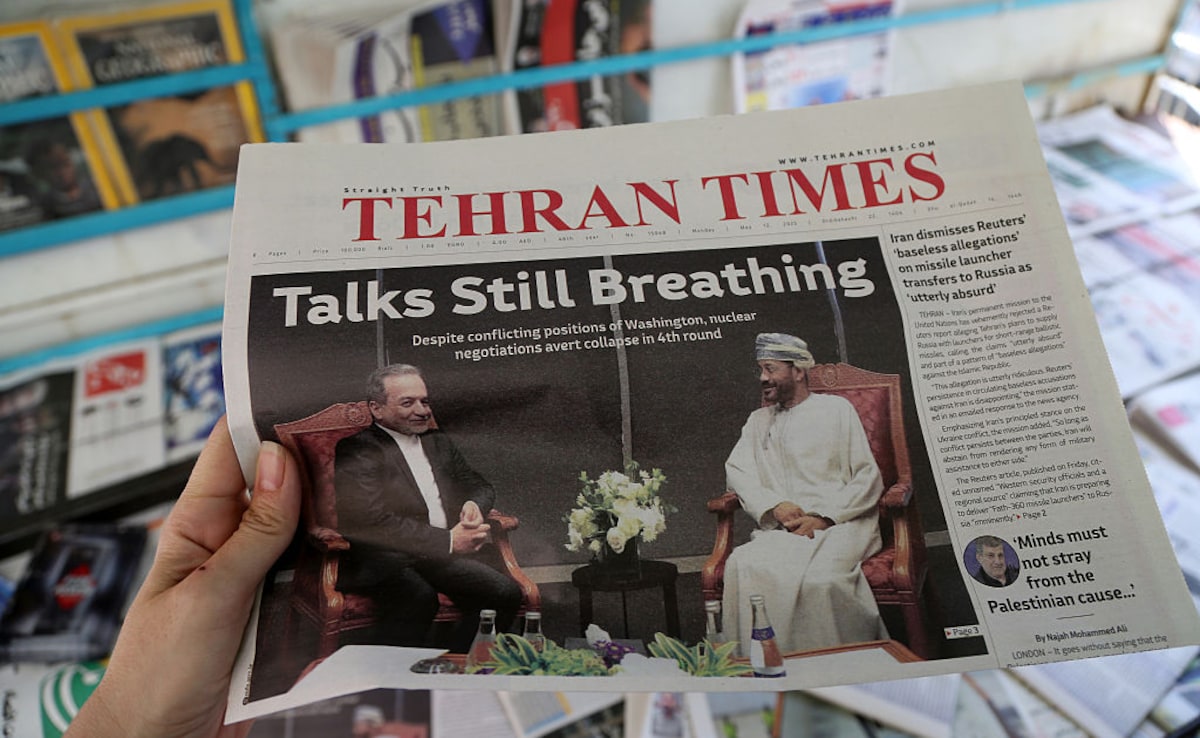
Iran needs a way to talk to the West without looking like they're surrendering. Oman provides the mailbox. Whether it’s negotiating the release of Western prisoners or hosting the secret talks that led to the 2015 nuclear deal (JCPOA), Muscat is the designated neutral ground.
If Iran attacked Oman, they'd be burning their only reliable bridge to the outside world. Think of it like a "safe zone" in a high-stakes game. Every player needs a place where they can drop the mask and actually negotiate. For the Iranians, losing Oman as a mediator would mean being truly isolated. They aren't that reckless.
The Omanis have turned this into an art form. They don't take sides. They don't join "Arab NATO" projects aimed at containing Iran. They don't participate in the Yemen war with the same fervor as their neighbors. This "active neutrality" makes them more valuable to Iran as a sovereign state than as a target.
It Is About Ibadi Identity Not Sectarian War
We often hear that the Middle East is a simple split between Sunnis and Shiites. That narrative is lazy. Oman doesn't fit into that box. The majority of Omanis follow the Ibadi school of Islam.
Ibadism is neither Sunni nor Shia. It’s an independent branch that emphasizes moderation and avoids the "with us or against us" sectarian trap. This religious identity gives the Omani government a natural shield. They don't have a dog in the fight for "Islamic leadership" that pits Saudi Arabia against Iran.
Because Oman doesn't claim to be the leader of the Sunni world, Iran doesn't see them as a theological threat. There’s no competition for the hearts and minds of the faithful. This removes the ideological motivation for aggression. When you strip away the religion, you're left with cold, hard business. And in business, Oman is a great partner.
Avoiding The Proxy Trap
Saudi Arabia and the UAE have spent the last decade trying to counter Iranian influence in Lebanon, Syria, Iraq, and Yemen. Iran views this as an existential threat and lashes out accordingly. Oman, however, stays out of the proxy game.
They didn't funnel weapons to Syrian rebels. They didn't join the blockade of Qatar. They didn't send ground troops to fight the Houthis in Yemen. By refusing to play the proxy game, they gave Iran no reason to retaliate. Iran attacks "everyone" else because everyone else is actively trying to undermine Iranian interests. Oman just minds its own business.
It’s a boring strategy for news cameras, but it’s incredibly effective for national security. While other Gulf capitals spend billions on missile defense systems, Oman spends its energy on back-channel diplomacy. It turns out that not being a threat is the best defense.
The Economic Reality Of Interdependence
Money talks. While sanctions have crippled much of Iran's trade, the Omani border remains a vital link. There are dozens of joint ventures. There's talk of underwater gas pipelines. Omani ports provide a relief valve for Iranian goods that might otherwise be blocked by international pressure.
Iran isn't going to bite the hand that feeds—or at least the hand that helps it breathe under the weight of global sanctions. The economic ties aren't massive compared to global trade, but they're "strategic." For a country under siege like Iran, a neighbor who is willing to trade and talk is worth more than a thousand warships.
Watching The Musandam Peninsula
If you want to see if this relationship is ever going to sour, watch the Musandam Peninsula. This Omani exclave is the "eye" of the Strait of Hormuz. If we ever see Iranian "research vessels" lingering too long or Omani patrols getting harassed, the game has changed.
Right now, the status quo holds because both sides get exactly what they want. Iran gets a neighbor that won't betray them, and Oman gets a neighbor that won't bomb them. It’s a cynical, pragmatic, and highly effective peace.
For anyone looking to navigate the politics of the region, the Omani model is the gold standard. Don't pick fights you don't have to. Keep your old friends, even if their government changes. Make yourself useful to everyone. It’s a simple list of rules that has kept Oman safe while the rest of the Gulf burned.
If you’re tracking Gulf security, stop looking at the weapons and start looking at the maps of Omani diplomatic missions. That’s where the real power lies. Look for the next round of "secret" talks in Muscat—it’s the only reliable indicator of where the Iran-West relationship is actually heading.