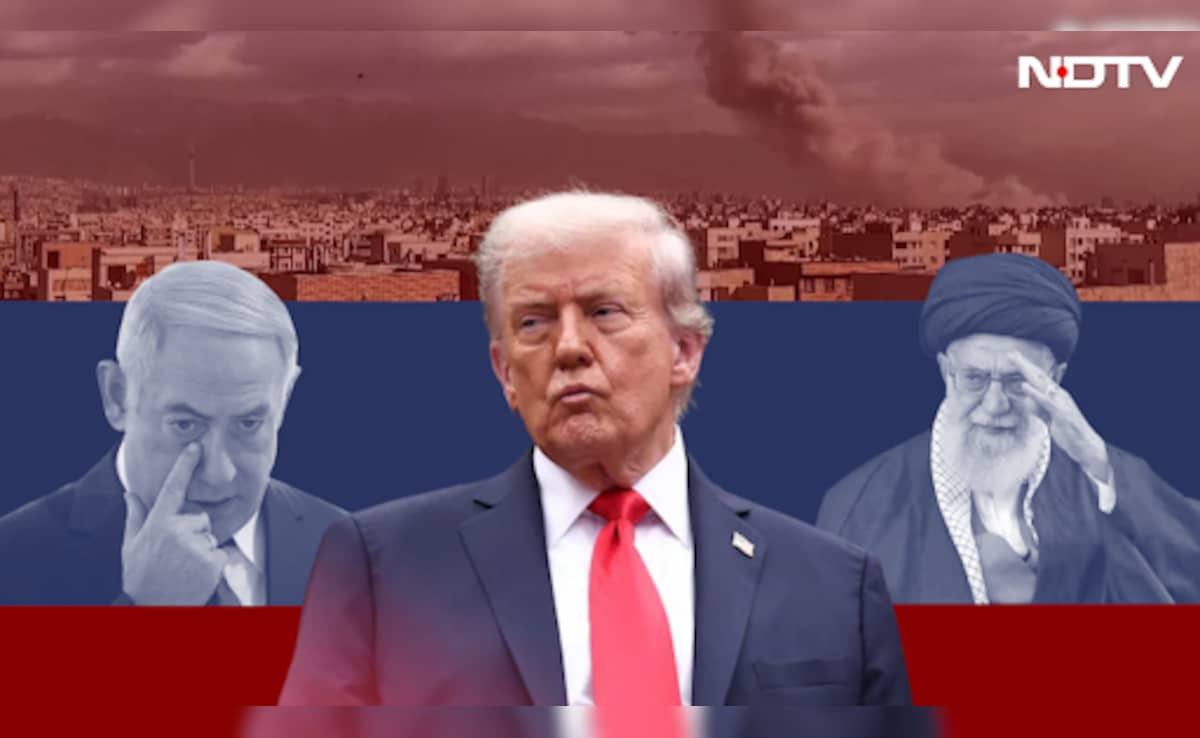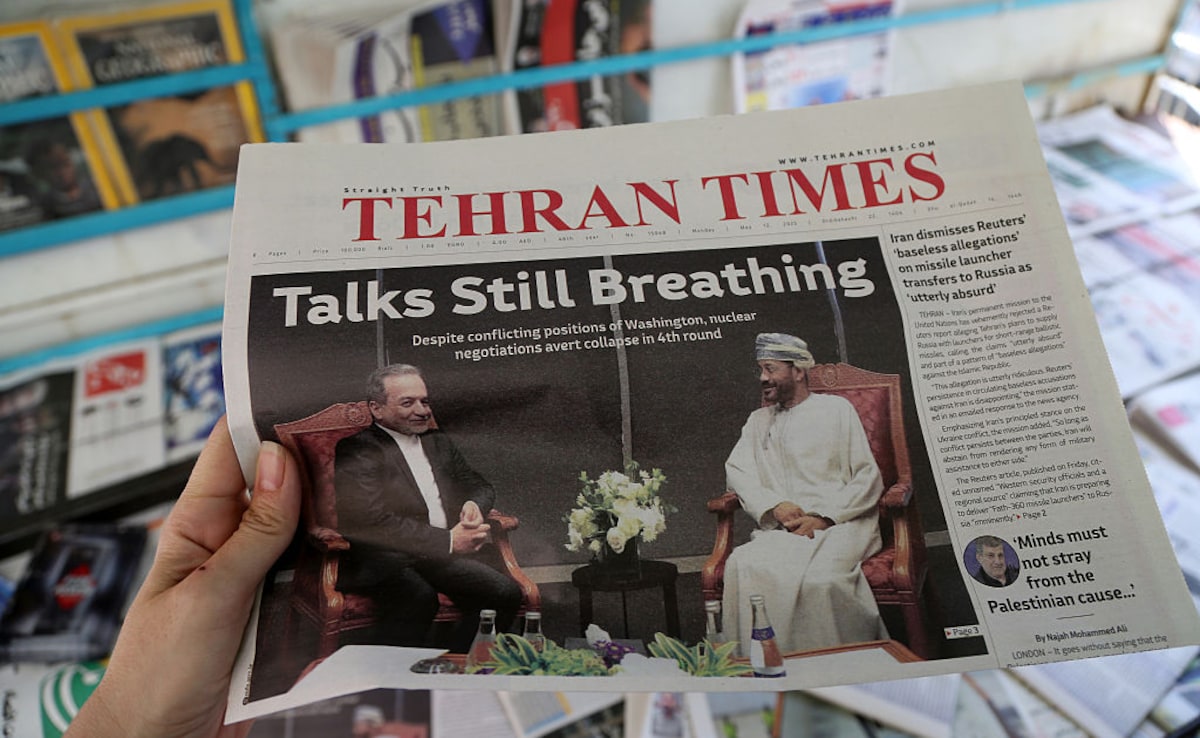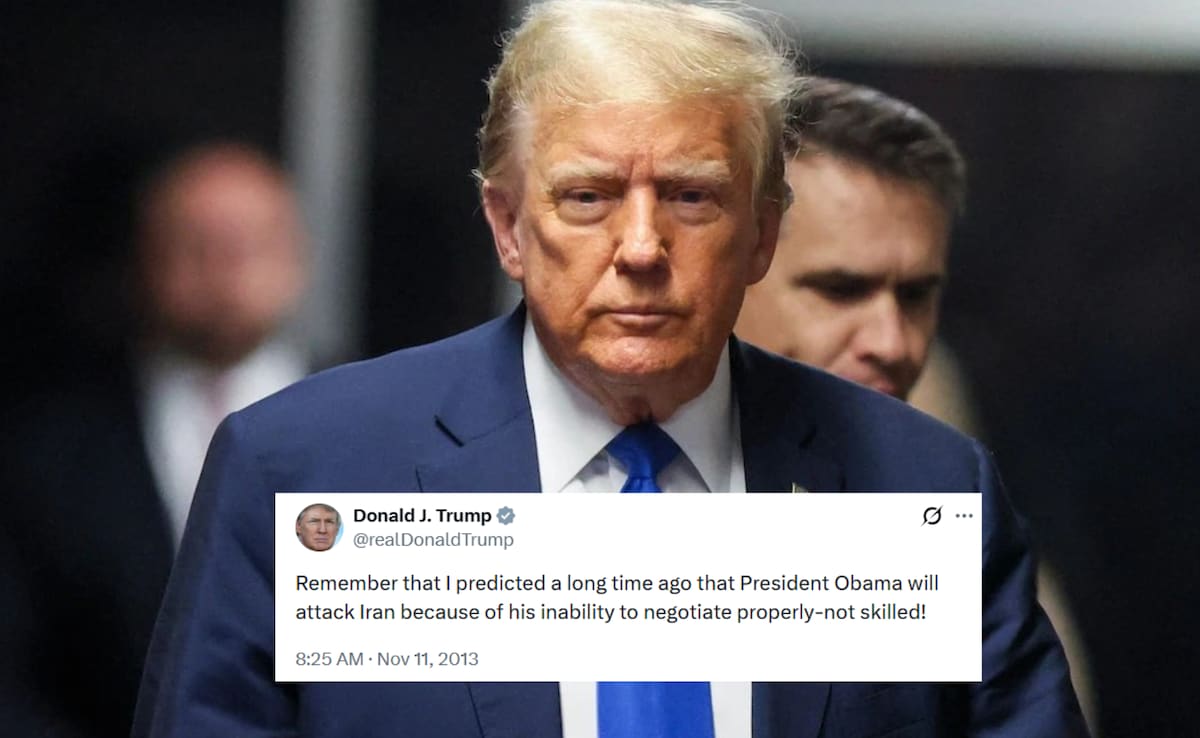
The persistent disconnect between digital archival history and the fluid mechanics of Middle Eastern kinetic operations creates a specific type of information arbitrage. When historical social media posts from a political figure—specifically Donald Trump’s 2013 warnings against Iranian intervention—resurface during active US-Israel joint strikes, they are often framed as "hypocrisy" or "irony." This is a shallow interpretation. In high-stakes geopolitics, the delta between 2013 isolationist rhetoric and 2026 military engagement is not a moral failure but a function of three structural shifts: the degradation of the Joint Comprehensive Plan of Action (JCPOA) framework, the evolution of drone-integrated swarm warfare, and the transition from "strategic patience" to "proactive deterrence."
Understanding the current escalation requires moving past the "gotcha" cycle of political commentary and analyzing the actual variables that dictate when a superpower transitions from digital isolationism to dropping ordnance.
The Triad of Strategic Escalation
Military engagement in the Middle East is governed by a set of triggers that override previous political posturing. The shift from Trump’s 2013 "stay out of Iran" stance to the modern reality of coordinated fire involves a hard recalculation of the following pillars.
1. The Nuclear Breakout Timeline
In 2013, the diplomatic infrastructure was focused on the containment of enrichment capabilities through what would become the JCPOA. The perceived "time to breakout"—the duration required to produce enough weapons-grade uranium for a single nuclear device—was measured in months or years. By 2026, technological advancements in centrifuge efficiency and the hardening of facilities like Fordow have compressed this window into weeks.
The decision-making matrix for a US President or a regional ally like Israel is bound by this physics-based deadline. When the cost of inaction (a nuclear-armed adversary) exceeds the cost of kinetic intervention (regional instability), the rhetoric of the past becomes a sunk cost.
2. The Proxy Saturation Limit
A significant variable ignored by 2013-era analysis was the sheer density of the "Ring of Fire" strategy. The technical sophistication of non-state actors—Houthi rebels, Hezbollah, and various militias—has scaled exponentially.
- Precision Guidance Sets (PGS): The transition from unguided rockets to GPS-guided munitions.
- Loitering Munitions: The democratization of "suicide drones" which provide high-impact capability at low cost-to-entry.
- Integrated Command: The centralization of these disparate groups into a singular strategic unit.
When these proxies demonstrate the ability to disrupt 12% of global maritime trade via the Red Sea, the conflict is no longer a localized border dispute; it becomes a direct tax on the global supply chain. This forces the hand of any US administration, regardless of previous isolationist promises.
3. The Abraham Accords Power Block
The geopolitical map of 2013 featured a fragmented Arab world. The post-2020 landscape, defined by the Abraham Accords, created a formal, though often quiet, intelligence and defense alignment between Israel and several Sunni Arab states. This alignment provides the US with a logistical and political "permission structure" for strikes that did not exist a decade ago.
Quantifying the "Haunting" Post: Rhetoric as a Market Signal
The 2013 Trump tweet—suggesting that an attack on Iran would be done for political gain—is often analyzed through a psychological lens. A more rigorous approach treats it as a Risk-Premium Signal. In 2013, the US was reeling from the long-tail costs of the Iraq and Afghanistan interventions. The "War Fatigue" variable was at its peak. Trump’s rhetoric at the time was a market response to an electorate that demanded a lower defense spend and zero boots on the ground. However, the mechanism of modern warfare has shifted from "Occupational Force" to "Stand-off Precision."
The current US-Israel "Rain of Fire" does not require the 150,000-troop surges of the early 2000s. It utilizes:
- B-21 Raider Sorties: Low-observable, long-range strike capabilities.
- Cyber-Kinetic Integration: Disruption of command-and-control (C2) nodes prior to physical impact.
- R9X "Flying Ginsu" Missiles: Minimizing collateral damage to maintain a specific "Escalation Management" threshold.
Because the human and political cost of a strike has been lowered by technology, the barrier to engaging in such a strike has also dropped. The 2013 version of Trump was reacting to the cost-heavy warfare of that era; the 2026 reality utilizes a high-efficiency kill chain that aligns more closely with "America First" (minimal risk to US personnel) than with traditional neoconservative nation-building.
The Asymmetry of Modern Deterrence
The central logical fallacy in comparing 2013 rhetoric to 2026 action is the assumption that the adversary remained static. Iran's defense posture has undergone a radical transformation, moving from a traditional air defense model to an "Attrition by Mass" model.
The Saturation Problem
Israel’s Iron Dome, David’s Sling, and Arrow systems are marvels of engineering, but they face a "Cost-Exchange Ratio" problem. An interceptor missile can cost $50,000 to $2,000,000, while the incoming drone might cost $20,000.
The US involvement is less about "starting a war" and more about providing the Deep Magazine necessary to sustain an engagement. If Israel exhausts its interceptor inventory, the regional balance of power collapses instantly. Therefore, US intervention is an actuarial necessity to prevent a total systemic failure of the Levant's security architecture.
Intelligence Convergence
A second missed factor is the role of Artificial Intelligence in target acquisition. In 2013, target lists were curated over months by human analysts. In 2026, systems like "Gospel" use pattern recognition to identify thousands of potential military nodes in real-time. This creates a "Use It or Lose It" pressure on military commanders. When the window of opportunity to decapitate a threat opens via an algorithmic trigger, the political cost of ignoring that data is higher than the cost of a temporary backlash over old social media posts.
The Credibility Paradox
Critics argue that "flip-flopping" on foreign policy destroys national credibility. In game theory, however, this is known as Strategic Ambiguity. If a leader is 100% predictable based on 13-year-old statements, they become a known variable that an adversary can exploit. By departing from past rhetoric, an administration introduces a "Volatility Premium" into the adversary's calculations. The Iranian leadership cannot rely on Trump’s 2013 isolationism because the 2026 kinetic reality proves he is willing to authorize "Maximum Pressure" 2.0.
This creates a functional deterrent. If the adversary believes you might do exactly what you said you wouldn't do, they must prepare for every possible contingency, which drains their resources and slows their operational tempo.
Strategic Operational Forecast
The convergence of historical rhetoric and current military action suggests a specific trajectory for the next 18 months. We are exiting the era of "Forever Wars" and entering the era of "Pulse Warfare." Pulse Warfare is characterized by:
- Short Duration: Engagements lasting 48-72 hours.
- High Intensity: Maximum caloric expenditure of munitions to achieve specific surgical goals (e.g., destroying a specific centrifuge hall).
- Zero Footprint: No long-term occupation or nation-building.
The resurfacing of the 2013 posts serves as a distraction from the structural reality: the US is no longer debating whether to be involved in the Middle East, but rather how to maintain a dominant position through a low-friction, high-technology strike model.
The move for stakeholders—be they defense contractors, energy market analysts, or regional diplomats—is to ignore the rhetorical noise and focus on the Interceptor-to-Threat Ratio. When that ratio dips, kinetic action is inevitable. The "haunting" of a politician by their past words is a social media phenomenon; the calibration of a B-21’s payload is a geopolitical certainty.
Maintain a "Long Volatility" stance on regional energy prices, as Pulse Warfare creates sharp, unpredictable spikes that the market currently underestimates due to the false belief that political rhetoric can constrain military necessity.
Would you like me to analyze the specific economic impact of these strikes on the Strait of Hormuz shipping insurance premiums?