Alexander Lukashenko finally touched down in Pyongyang on Wednesday, marking the first time a Belarusian president has set foot in North Korea. This is not a sudden whim of diplomacy. It is the culmination of a multi-year pivot toward a trilateral alliance with Russia that aims to rewrite the rules of global trade and military cooperation. While the cameras captured the usual pageantry of goose-stepping soldiers and flag-waving children, the real story lies in the "Treaty of Amity and Cooperation" slated for signature—a document that formalizes a backdoor supply chain for the ongoing conflict in Ukraine and potentially transfers sensitive missile technology back to Minsk.
For years, Belarus and North Korea were peripheral actors in each other's orbits, separated by geography and differing economic priorities. That changed when Russia began its full-scale invasion of Ukraine. Today, both nations serve as essential cogs in Vladimir Putin’s war machine: North Korea as the armory and Belarus as the staging ground. Lukashenko’s visit signal a move from being mere subcontractors for Moscow to becoming a unified front capable of pressuring the West from both the European and Pacific flanks.
The Trilateral Shadow
The timing of this visit is calculated. It follows a series of high-level meetings in Moscow and Beijing where the concept of a "Eurasian Charter on Diversity and Multipolarity" was floated. This isn't just diplomatic jargon. It is an attempt to build a closed economic loop that bypasses Western sanctions entirely. By aligning with North Korea, Lukashenko gains access to a bottomless well of munitions and, more importantly, a partner willing to ignore every international norm on labor and technology transfer.
Industry analysts have long suspected that North Korean laborers—forbidden by UN sanctions—have already begun filtering into Belarusian construction sites and factories to replace workers lost to mobilization or emigration. This summit likely codifies those secret agreements. In exchange, Belarus offers Pyongyang something it desperately needs: agricultural expertise and high-end machinery. Belarus is a global leader in heavy tractor and mining equipment production. For a North Korean regime struggling with chronic food shortages and failing infrastructure, Belarusian industrial hardware is a lifeline that China often provides with too many strings attached.
Beyond Bullets and Tractors
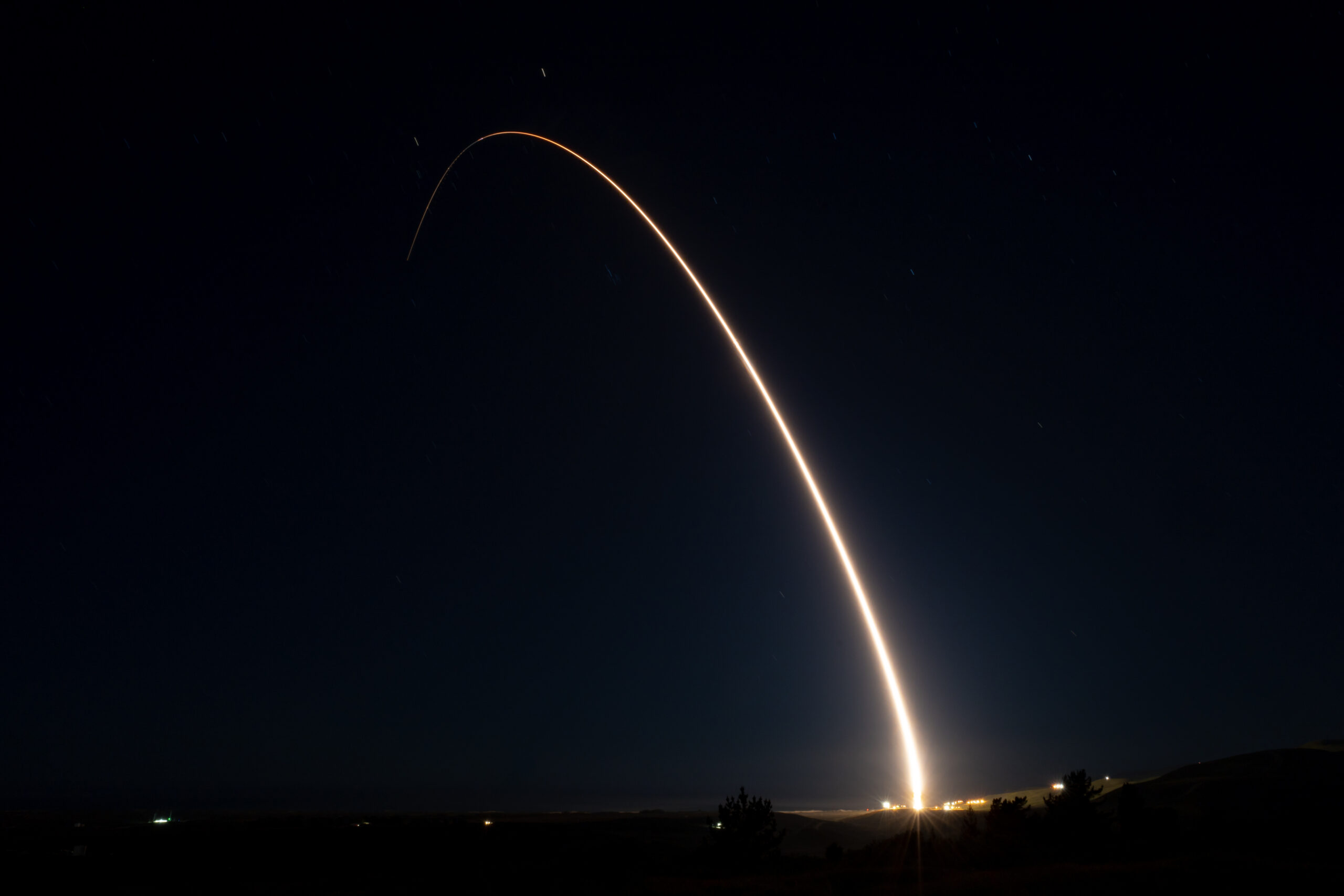
There is a darker undercurrent to this meeting that involves the hardware of modern warfare. Belarus has spent the last two years desperately trying to modernize its domestic missile capabilities, specifically the Polonez-M multiple launch rocket system. While the system has Chinese roots, North Korea’s recent leaps in solid-fuel propellant and tactical nuclear delivery systems are of intense interest to Minsk.
Lukashenko has already accepted Russian tactical nuclear weapons on his soil. To make that threat credible, he needs domestic delivery systems that can penetrate modern air defenses. North Korea’s KN-23 and KN-24 missiles, which have seen actual combat use in the Ukrainian theater via Russian forces, provide the exact telemetry and performance data Belarus craves. This is a technology swap hidden in plain sight, masked by discussions on "pharmaceuticals and food supplies."
The Trump Factor
The geopolitical calculus is further complicated by the second term of Donald Trump. Unlike his predecessor, Trump has shown a willingness to engage with Lukashenko, recently easing some sanctions in exchange for the release of political prisoners. By visiting Pyongyang now, Lukashenko is playing a high-stakes game of "triangulation." He is showing Washington that if the path to the West remains blocked by too many human rights conditions, he has a viable, albeit grim, alternative in the East.
Kim Jong Un, too, sees an opening. By hosting a European head of state, he shatters the narrative of total isolation. He is no longer just a "rogue leader" meeting with Putin; he is a pole of a new Eurasian alignment. The 21-gun salute in Pyongyang wasn't just for Lukashenko—it was a message to the White House that the "maximum pressure" campaign has failed to prevent the formation of a defiant, nuclear-backed bloc.
Economic Desperation as a Catalyst
Western observers often dismiss these meetings as symbolic because the raw trade numbers between Minsk and Pyongyang are currently "modest," as Belarusian Foreign Minister Maxim Ryzhenkov admitted. This misses the point of how authoritarian economies function. They do not rely on consumer retail or open markets; they rely on state-to-state bartering.
Belarus needs raw materials and cheap, disciplined labor. North Korea needs refined fuel, specialized chemicals, and heavy engines. These are not goods that show up on standard customs ledgers. They move through military transport planes and darkened rail cars. The "10 agreements" being signed this week are the legal blueprints for this off-the-books economy.
One of the more surprising areas of "mutual interest" mentioned by Ryzhenkov is cosmetics. While it sounds trivial, North Korea has developed a sophisticated domestic chemical industry to produce luxury goods for its elite, bypassing import bans. Belarus, with its own established chemical sector, sees an opportunity to co-brand and distribute these products across the Eurasian Economic Union, creating a revenue stream that is difficult for Western financial monitors to track.
The New Warsaw Pact
The chilling reality is that we are witnessing the assembly of a "Dictators' Club" that functions like a modern-day Warsaw Pact. Russia, North Korea, Belarus, and Iran are no longer acting in isolation. They are sharing drone designs, ballistic data, and "sanctions-busting" techniques in real-time. Lukashenko’s presence in Pyongyang is the final seal on this alliance.
For the West, the challenge is no longer just "containing" North Korea or "isolating" Belarus. It is a singular, interconnected problem. Every shell North Korea sends to the front lines in Ukraine likely earns it a credit that can be spent on Belarusian engineering or Russian satellite tech. The "border" of the Ukraine conflict has effectively extended to the 38th parallel.
As Lukashenko tours the Kumsusan Palace of the Sun, he isn't just paying respects to the Kim dynasty. He is scouting the perimeter of a new world order where the traditional levers of Western influence—the dollar, the SWIFT system, and the threat of diplomatic pariah status—no longer hold the same weight. The "bid to deepen ties" is an admission that for these regimes, there is no going back to the old global system. They are building a new one, brick by Belarusian brick.
Ask me to break down the specific military hardware transfers suspected between Minsk and Pyongyang.