State-sanctioned killing is making a quiet, bloody comeback. While democratic nations largely spent the last few decades treating capital punishment like a dark historical relic, the numbers are turning against us. Global executions have spiked sharply, driven by autocratic regimes and a hardening of penal policies in volatile regions.
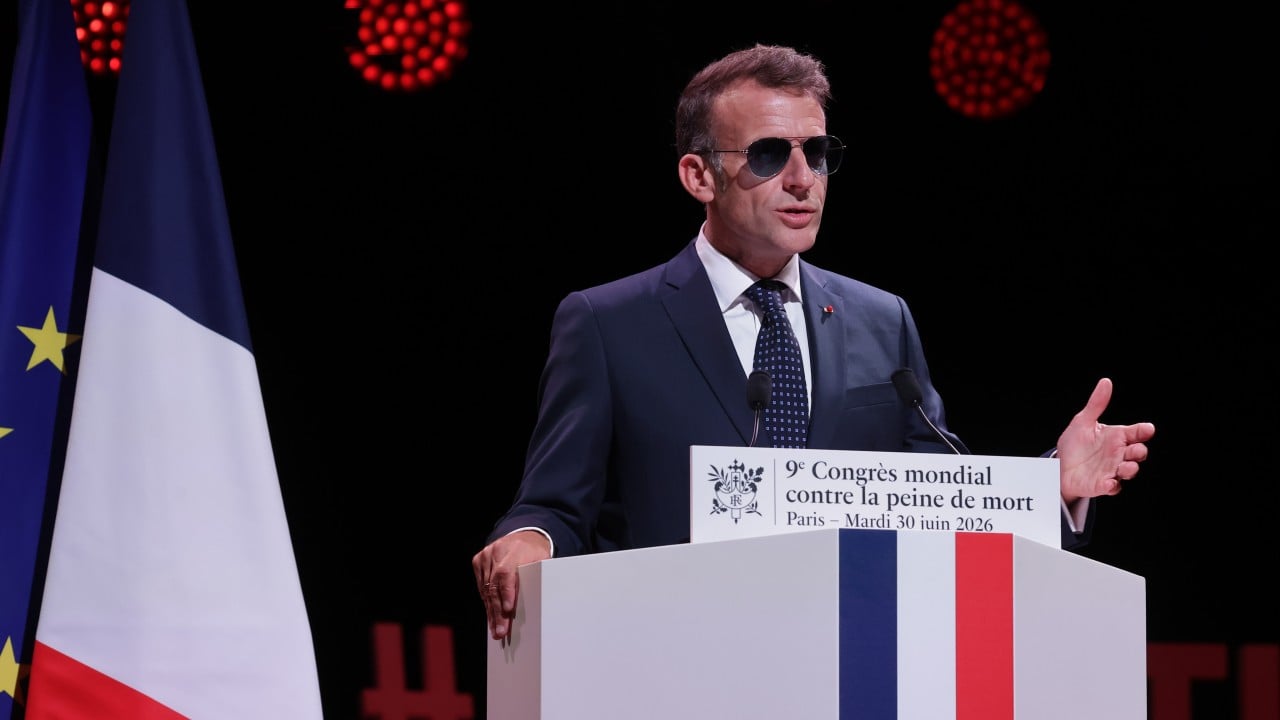
Speaking in Paris at the opening of the World Congress Against the Death Penalty, French President Emmanuel Macron drew a hard line. He warned that giving in to populist demands to bring back executions would destroy decades of human rights progress.
People who want the death penalty back usually argue that it stops violent crime and satisfies justice for victims. But the data shows it doesn't work that way. When governments reopen this door, they aren't fixing crime rates. They are just handing the state the right to kill its own people.
The Global Spike in Executions
Look at the latest global data and you will find a terrifying trend. Amnesty International reported a massive 78% surge in recorded executions worldwide over recent tracking periods, marking the highest numbers seen in over four decades. The bulk of these killings happen in a small handful of countries, but their total output is staggering.
China still leads the world, keeping its execution numbers under wraps as strict state secrets, though estimates consistently run into the thousands. Meanwhile, countries like Iran, Saudi Arabia, and Somalia have accelerated their judicial killings, often for crimes that don't even meet international standards for the most serious offenses, like non-violent drug charges.
This isn't just happening in distant autocracies either. Right-wing populist movements across Europe and the Americas are using public anxiety over immigration and street crime to test the waters. They want to know if voters are hungry enough for retribution to bring back the gallows or the firing squad.
The Myth of Deterrence
The most common defense of capital punishment is simple. If you kill a murderer, the next guy will think twice. It sounds logical over coffee, but it falls apart completely under scrutiny.
Dozens of studies conducted by criminologists over the last thirty years show no credible evidence that the death penalty deters violent crime any more effectively than a long prison sentence. States in the US that use the death penalty routinely show higher homicide rates than those that banned it. Criminals committing passionate or impulsive acts of violence don't stop to calculate the legal consequences before they act.
When a justice system relies on executions, it trades systemic fairness for raw vengeance. The risk of executing an innocent person is never zero. In the US alone, more than 190 people have been exonerated from death row since 1973 after evidence surfaced showing they didn't commit the crime. You can release a wrongly convicted person from a life sentence, but you can't undo a lethal injection.
How Capital Punishment Weaponizes the State
When a government retains the right to execute citizens, that power inevitably gets misused. History shows us that capital punishment is weaponized against political dissidents, marginalized communities, and poor defendants who can't afford elite legal representation.
During political upheaval, authoritarian regimes use the judiciary to clean house. We see this actively playing out right now, where protests are met with swift, closed-door trials ending in executions meant to terrorize the surviving population into silence. Once a democratic society concedes that the state has the moral authority to end a life, it gives future, less-democratic leaders a pre-built machine for state terror.
Guarding Human Rights Against Public Anger
Macron's warning strikes at a core vulnerability of modern democracies. When citizens feel insecure due to economic instability or rising crime, fear-mongering politicians exploit those emotions. They offer simple, brutal solutions to complex social failures.
France completely abolished the death penalty in 1981 under the leadership of then-Justice Minister Robert Badinter. It was a massive political fight, executed at a time when the majority of the French public actually favored keeping the guillotine. The leadership back then chose human dignity over poll numbers, eventually cementing the ban directly into the French Constitution in 2007.
Reopening this debate means retreating from the basic premise that human rights are universal and inalienable. If a government can revoke the right to life based on a shifting political consensus or a temporary spike in crime statistics, then human rights aren't rights at all. They are just privileges on loan from whoever happens to hold power this week.
Steps to Oppose the Resurgence of Judicial Killing
Reversing this global drift toward state-sanctioned violence requires active defense rather than passive disagreement.
- Support legal defense organizations that provide high-quality representation to indigent defendants facing capital charges.
- Advocate for transparency laws requiring governments to publish full data regarding death sentences, execution methods, and demographics on death row.
- Challenge populist political candidates who use the promise of harsher, lethal punishments to win votes during election cycles.
- Demand that international trade agreements and diplomatic partnerships remain contingent on human rights benchmarks, including commitments to maintain execution moratoria.
The fight against the death penalty is not about shielding criminals from punishment. It is about keeping governments from crossing a line that cheapens human life for everyone. Letting the state kill in our name doesn't make our communities safer. It just makes us complicit.
Macron marks 40 years since France's abolition of the death penalty
This video provides critical historical context on the political struggle France faced when abolishing capital punishment and explains why those same arguments remain vital in the current global political environment.