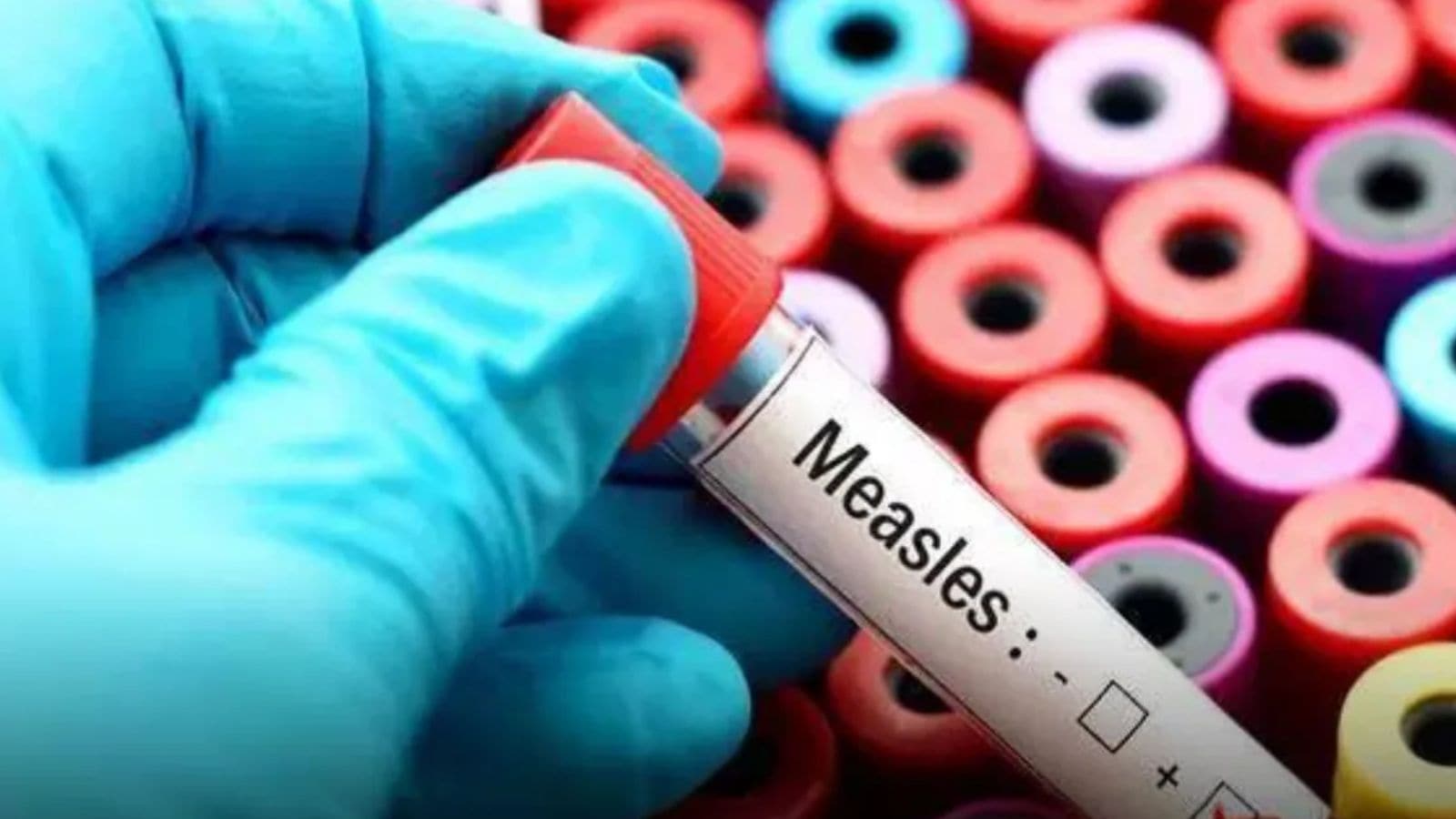
The air inside a biocontainment suite does not move like regular air. It is heavy, scrubbed, and strictly unidirectional, pulled through negative-pressure filters with a soft, mechanical hiss that sounds exactly like a sigh.
In a high-security isolation ward at Berlin’s Charité hospital, an American citizen lies in a bed surrounded by that hiss. Outside the glass, the world is reacting with a predictable, familiar spike of adrenaline. The word "Ebola" has hit the newsfeeds. It is a word that carries an almost mythic weight, conjuring images of societal collapse, bleeding eyes, and unstoppable contagion.
But inside the room, the reality is entirely different. It is quiet. It is controlled.
The patient, a medical worker who was flew into Germany after a needle-stick accident in an Ebola-ravaged region of West Africa, is not actively dying. In fact, they are not even critically ill. The fever that the public fears has not consumed them. Yet, they are trapped in a strange limbo—a living symbol of our deepest collective anxieties, waiting out a clock that ticks in days of incubation.
We treat infectious disease as a horror movie, but the people who fight it know it is actually a game of meticulous bookkeeping.
The Geography of Panic
When news broke that an American was being treated for Ebola on European soil, the digital shockwaves were instantaneous. Headlines focused on the proximity of the threat. The mind leaps to the worst-case scenario: a breach, a cough on a subway, an outbreak in the heart of Europe.
Consider a hypothetical commuter named Thomas, sitting on a Berlin U-Bahn train, staring at his phone. He reads the headline. He looks at the person coughing across from him. His stomach drops. This is how panic operates. It blurs the line between a contained medical event and a personal threat.
The hard truth, however, is that Ebola is a terrible traveler.
Unlike the flu or coronavirus, it cannot drift through the air of a train carriage. It demands intimacy. It requires direct contact with bodily fluids—the kind of contact that happens in overcrowded, under-resourced clinics, or during traditional burial practices, not during a casual encounter on a city street.
At the Charité hospital, the defenses are architectural. The patient is separated from the public by multiple airlocks, thick glass, and layers of impervious protective gear. The virus, if it is even active in the patient's system, is trapped in a fortress. The public's fear is a ghost; the safety measures are concrete.
The Family in the Shadows
While the media focused on the hospital bed, a quieter, more agonizing drama played out in parallel. The patient’s family.
To the public, contacts are numbers on a spreadsheet. "Family tests negative," the official reports stated. It sounds clean. It sounds like a resolution. But imagine the reality behind that single sentence. Imagine sitting in a room, waiting for the results of a blood test that will determine if a microscopic monster has crossed the threshold of your home.
Every slight warmth of the forehead feels like a death sentence. Every dry throat becomes a symptom.
The negative test results for the family members mean that the chain of transmission, if it ever existed, has been broken. It means the monster stayed outside the door. Yet, the relief is rarely immediate. The psychological shadow of a highly lethal pathogen lingers long after the lab work comes back clear. They are safe, but they have looked into the abyss.
The medical worker in the Berlin room knew the risks long before the needle slipped. To volunteer in an Ebola hot zone requires a specific kind of quiet courage—the kind that accepts the possibility of becoming the person in the isolation bed.
The Machinery of Containment
Germany’s readiness for this moment did not happen by accident. It is the result of decades of preparation, billions of euros in infrastructure, and rigorous, mind-numbing drills.
When the transport arrived, it was a synchronized dance of bio-secure pods and hazmat suits. To the casual observer, it looks like science fiction. To the doctors, it is just Tuesday. The Charité is one of several specialized centers across Europe designed specifically to isolate the world's most dangerous pathogens without disrupting the city around them.
This brings us to the core irony of modern medicine. The more effective the containment, the less dramatic the story.
If the hospital does its job perfectly, nothing happens. The patient recovers, or the virus is successfully managed, and the world moves on. We are addicted to the drama of the outbreak, but the real victory lies in the absolute boredom of a successful quarantine. It is the absence of news that matters.
Right now, the American patient watches the Berlin sky through a sealed window. They are a long way from home, suspended in a state of clinical observation. They are not a biohazard; they are a human being who went to help others and caught a bad break.
The machinery of modern health care is doing exactly what it was built to do. It has turned a potential international crisis into a quiet, stable medical case. The panic on the streets is entirely decoupled from the reality in the ward.
The hiss of the negative pressure continues, steady and rhythmic, keeping the world safe from the room, and the room safe from the world.