The narrative is as predictable as it is comfortable. A major Western power reduces its foreign aid budget, and the global development community erupts into a chorus of panic. The headlines write themselves: "Regression," "isolationism," and "a betrayal of the world's most vulnerable."
We saw this exact knee-jerk reaction when headlines lamented the shift in American food assistance policies. The mainstream consensus is lazy, emotional, and fundamentally wrong. It operates on a childish premise: more Western money sent overseas equals fewer hungry people. Building on this theme, you can also read: The Night the Desert Sky Woke Up.
It does not. In fact, traditional international food aid programs often do more to devastate local economies, trap nations in permanent dependency cycles, and enrich corporate shipping monopolies than they ever do to solve systemic hunger.
When a wealthy nation cuts its traditional commodity food aid, it is not a tragedy. It is an opportunity to dismantle a deeply flawed, neo-colonial system that protects domestic agricultural lobbies at the expense of global starvation. Analysts at The New York Times have also weighed in on this matter.
The Hypocrisy of "Monetization" and Commodity Dumping
To understand why the traditional aid model is broken, you have to look at how the sausage is made. For decades, major programs like the United States’ Public Law 480 (Food for Peace) mandated a practice known as "monetization."
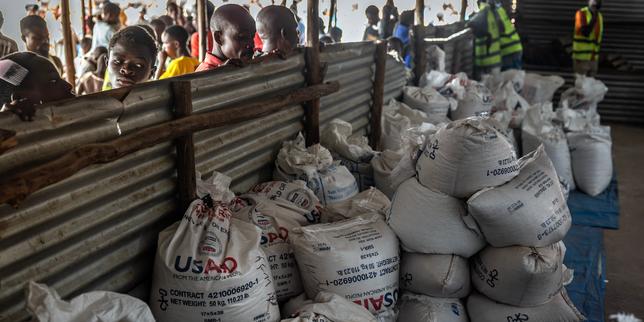
Under this system, the government does not buy food where the hunger crisis is happening. Instead, it buys surplus commodities—wheat, corn, soy—directly from domestic agribusinesses. Then, it pays exorbitant rates to domestic maritime shipping companies to haul these commodities across the ocean. Once the food arrives in a developing nation, non-governmental organizations (NGOs) sell it on the local market to generate cash for their development projects.
Think about the sheer economic violence of this mechanism.
Imagine a scenario where a smallholder farmer in Kenya or Guatemala manages to harvest a crop of maize during a difficult season. They go to the local market to sell their yield and feed their family. But when they arrive, they find the market flooded with free or heavily subsidized Western grain, dumped there by well-meaning international charities. The local price crashes. The local farmer cannot sell their crop, falls into debt, and stops planting for the next season.
By sending literal food instead of cash or localized purchasing power, Western aid effectively bankrupts the very agricultural supply chains required for long-term food security. We are importing starvation under the guise of benevolence.
The Maritime Lobbying Racket
The resistance to reforming this system does not come from a place of humanitarian concern. It comes from corporate greed wrapped in a flag.
Studies from institutions like the Government Accountability Office (GAO) and Cornell University have repeatedly shown that cargo preference laws—which require a massive percentage of aid to be shipped on domestic-flagged vessels—eat up a staggering portion of aid budgets. We are wasting up to fifty cents of every single dollar spent on food aid purely on ocean freight and bureaucratic overhead.
Typical Food Aid Dollar Breakdown:
[████████████████████ 50%] Ocean Freight & Domestic Agribusiness Profits
[████████████ 30%] Administrative Overhead & NGO Management
[████████ 20%] Actual Nutritional Value Reaching the Hungry
This is not a humanitarian program. It is a corporate subsidy program for domestic shipping lines and industrial farming conglomerates, masquerading as a global safety net. When funding for this specific mechanism drops, the only entities truly suffering a catastrophic loss are the lobbyists.
The Power of Cash and Local Procurement
The alternative to this broken structure is not apathy; it is efficiency. Smart development organizations shifted toward Cash-Based Transfers (CBTs) and Local and Regional Procurement (LRP).
When you give a displaced person or a starving family cash or digital vouchers, three things happen instantly:
- Dignity of Choice: People buy what they actually need and eat, reducing waste and cultural friction.
- Speed: Cash arrives in minutes via mobile banking. Shipping physical grain across the Atlantic takes months, often arriving long after a famine peak has passed.
- Economic Stimulation: Money stays in the local economy. It goes to local merchants, local truck drivers, and local farmers, incentivizing increased food production for the next cycle.
The data supports this unequivocally. Research by the International Food Policy Research Institute (IFPRI) demonstrated that cash and voucher programs deliver significantly better value for money and more diverse dietary outcomes than physical food distribution.
Yet, whenever policymakers attempt to shift budgets away from commodity shipping toward flexible cash assistance, the establishment screams that the poor are being abandoned. They ignore the reality that flexible cash allows agencies to feed millions more people with the exact same budget.
Dismantling the Premier Myths of Global Hunger
Let's address the flawed logic that populates standard commentary on this topic.
Does cutting Western food aid budgets directly cause mass starvation?
No. The assumption that global hunger is a scarcity problem solved by Western surpluses is incorrect. Global hunger is a distribution, conflict, and purchasing power problem. When Western countries reduce physical commodity dumping, it forces a shift toward localized sourcing, which stabilizes regional food markets and builds long-term resilience against climate and political shocks.
Should we completely stop funding international aid?
Absolutely not. But we must stop conflating funding levels with efficacy. The metric of success should never be "how many billions did we appropriate?" The metric must be "did we create a self-sustaining local food market?" If your aid strategy requires you to send the same bag of grain to the same village for forty consecutive years, you are not providing aid. You are running a dependency racket.
The Scar Tissue of the Development Industry
I have spent years watching international organizations burn millions of dollars on logistics, storage, and mitigating the security risks of moving massive food convoys through hostile territory. I have seen warehouses of rotting grain that arrived four months too late because of maritime union disputes in Western ports.
The hardest truth to swallow in this industry is that our generosity is often a weapon. It feels good to see pictures of cargo planes dropping sacks of flour stamped with a Western flag. It looks great on a corporate social responsibility report. It satisfies a savior complex.
But if you actually care about ending hunger, you have to be willing to kill the programs that make you feel good.
The downside to a pure cash-and-local-procurement model is that it lacks political sex appeal. It is hard to get a domestic politician excited about a line item that transfers digital currency directly to a regional cooperative in East Africa, bypassing domestic corporate donors entirely. It means stripping away the safety blanket of domestic agricultural subsidies.
If Western nations scale back their traditional, commodity-tied food aid, do not mourn the end of an era. Celebrate the collapse of a bloated, counterproductive cartel. Stop sending our leftovers to the global south and calling it charity. Buy local, fund cash, or get out of the way.