The sea does not care about politics. It does not carry cargo manifests, nor does it check the routing numbers stamped on the side of a forty-foot steel box. It only moves, indifferent and immense, pushing salt and tide against every shore it touches. But human hands build the ports. Human hands hoist the cranes, and human hands sometimes decide that a ship must wait.
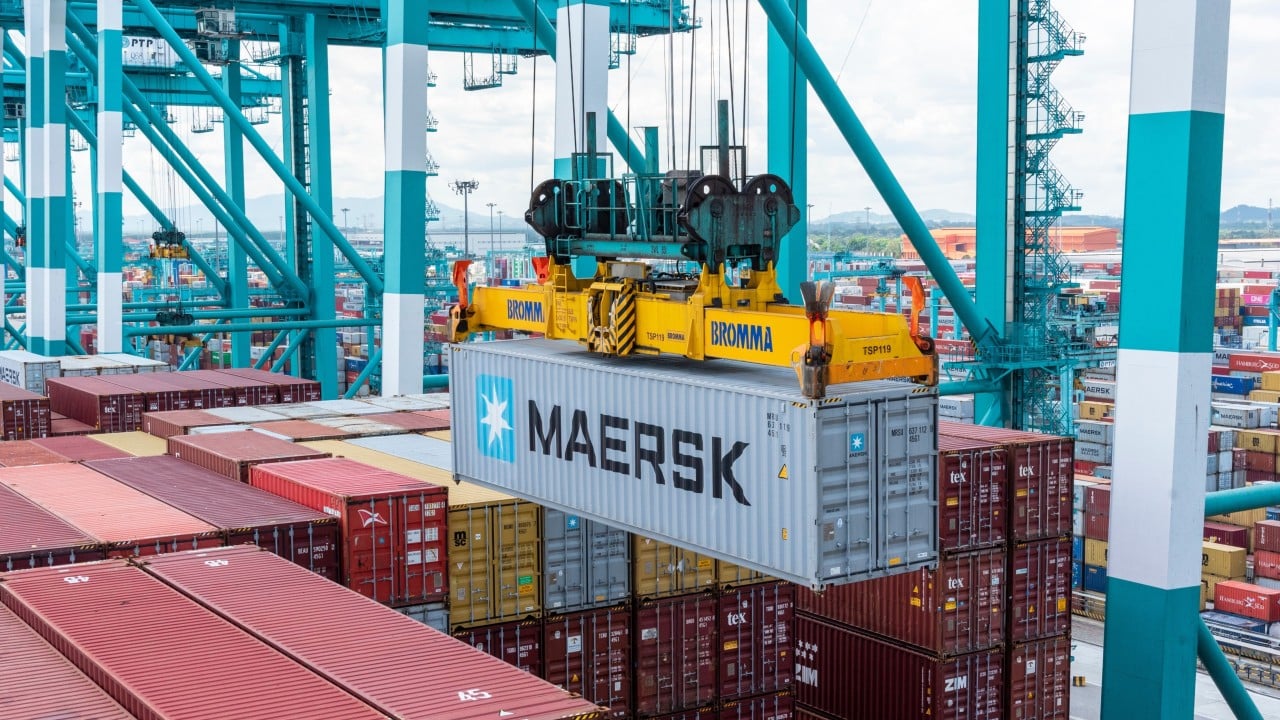
Far out on the maritime horizon, somewhere near the heavy shipping lanes that funnel vessels through Southeast Asia, three massive metal containers found their journey abruptly halted. Bound for a destination they would never reach, they were pulled from the endless flow of global commerce. They were carrying cargo destined for a conflict zone thousands of miles away, caught in a sudden, deliberate rupture of the usual economic machinery.
To understand why three boxes sitting on a dock in Malaysia matter, you have to look past the bureaucratic language of international shipping lines and customs manifests. You have to look at how a single government decided to stop whispering and start drawing lines in the water.
Prime Minister Anwar Ibrahim did not arrive at this moment through administrative accident. For months, the rhetoric coming out of Kuala Lumpur had been sharpening, shifting from standard diplomatic expressions of concern to a direct, uncompromising refusal. When a nation’s leader publicly pledges to block shipments linked to a devastating foreign war, the distance between policy and port suddenly collapses.
Imagine standing on the pier at Port Klang as the sun dips below the Straits of Malacca. The air is thick with the scent of heavy diesel exhaust, hot asphalt, and the sharp, briny tang of the open ocean. Towering gantry cranes screech along overhead tracks, their iron teeth biting into cargo locks, lifting multi-ton weights with deceptive ease. To the casual observer, it is just another evening of relentless global trade. Thousands of boxes move every single hour, feeding an invisible beast of consumption and production that spans continents.
Yet, amid that relentless hum, a freeze occurred. Three containers flagged for scrutiny were intercepted. Intelligence reports and vigilant oversight collided with commercial ambition, and the paperwork stopped moving.
This is where the grand narrative of geopolitics intersects with the very ordinary reality of logistics. We often talk about global supply chains as if they were ethereal clouds of data floating across satellite networks. We track packages on glowing screens, watching little icons cross blue oceans. But global trade is fundamentally physical. It is heavy. It relies on concrete berths, rusted padlocks, fuel burned in massive marine engines, and clerks stamping forms in fluorescent-lit offices.
When a nation decides to disrupt that physical chain, it incurs a cost. Shipping companies hate uncertainty. Insurers raise their rates. Routes are redrawn, and quiet phone calls are made in boardrooms across Singapore, London, and Washington. By intercepting these containers, Malaysia stepped directly into the friction point between international trade law and moral accountability.
To call this a mere customs enforcement action is to miss the human pulse underneath. Every container sitting on a dock represents an economic promise, a transaction sealed weeks or months earlier. Someone ordered goods; someone manufactured them; someone paid for transport. But when those goods cross the threshold of an active humanitarian crisis, the math changes. The transaction ceases to be business as usual. It becomes a participation ribbon in a tragedy unfolding thousands of miles away.
Consider the sheer complexity of modern maritime routing. A ship does not simply sail in a straight line from point A to point B. It hops ports, changes charters, and consolidates cargo from a dozen different origins. Goods pass through transshipment hubs designed for absolute efficiency, where transparency is often buried beneath layers of corporate shell companies and vague descriptions on customs declarations.
Unmasking those hidden trails requires more than political will. It requires intelligence, inter-agency coordination, and a willingness to stare down powerful commercial entities that care far more about timely delivery than about the ethical weight of the cargo. When Malaysian authorities flagged these three containers, they were cutting through a dense web of obfuscation. They were saying that the origin of a profit no longer shields the destination of a harm.
The announcement by Anwar Ibrahim was not born in a vacuum. It reflects a growing wave of public sentiment across Southeast Asia and the wider Global South, where populations watch the devastation in Gaza unfold daily on their phones. The disconnect between watching a humanitarian catastrophe in real time and watching cargo ships sail peacefully past your coastline creates an intolerable tension. Governments can no longer pretend that commerce is entirely divorced from conscience.
When citizens demand action, leaders are forced to find the levers of power within their reach. For Malaysia, that lever was port sovereignty. A country has the absolute right to inspect, hold, or reject cargo entering or passing through its territory if it violates national policy or international moral obligations. By exercising that right, Kuala Lumpur sent a signal to the broader shipping community: the waters of the Malacca Strait are not a legal vacuum where anything can pass unquestioned.
Of course, skeptics will point out the limitations. Three containers are a drop in the ocean compared to the vast tonnage moving across global routes every single day. A symbolic gesture, they might argue, easily bypassed by rerouting ships through more lenient jurisdictions or altering the paperwork to mask the ultimate beneficiary.
That skepticism is not unfounded. The global logistics network is hydra-headed; cut off one route, and two more often appear in the dark corners of international trade.
Yet, symbolism matters when it disrupts complacency. The first container stopped is never just a container. It is a precedent. It is proof that the machinery can jam. It forces shipping agents, manifest clerks, and vessel captains to think twice about what they are loading into the belly of their ships. It introduces a variable of risk that cold-hearted accountants cannot easily calculate on their spreadsheets.
Stand once more by the edge of the water as the night takes over the docks. The massive container ships loom out in the channel, their navigation lights blinking red and green against the dark expanse of the sea. They look permanent, invincible, locked into a destiny written by centuries of maritime dominance.
And yet, inside that vast architecture of global capitalism, a small friction has been introduced. Three boxes sit unopened, held in place not by mechanical failure, but by human choice.
History is rarely written in a single sweeping battle. More often, it turns on these quiet moments of refusal. A signature on a detention order. A crane operator told to leave a specific box on the tarmac. A leader deciding that some lines on a map demand more than just diplomatic words.
The ships will keep moving. The tides will continue to rise and fall against the concrete piers. But the illusion that trade can remain forever blind to human suffering has taken a small, irreversible crack. And sometimes, a crack is all it takes for the light to finally get in.