The coffee in the paper cup had gone cold hours ago, turning bitter and dark at the bottom, but Dr. Chen could not bring himself to throw it out. His hand stayed clamped around the cardboard, knuckles white, eyes fixed on the bank of monitors glowing against the dim, cavernous quiet of the control room.
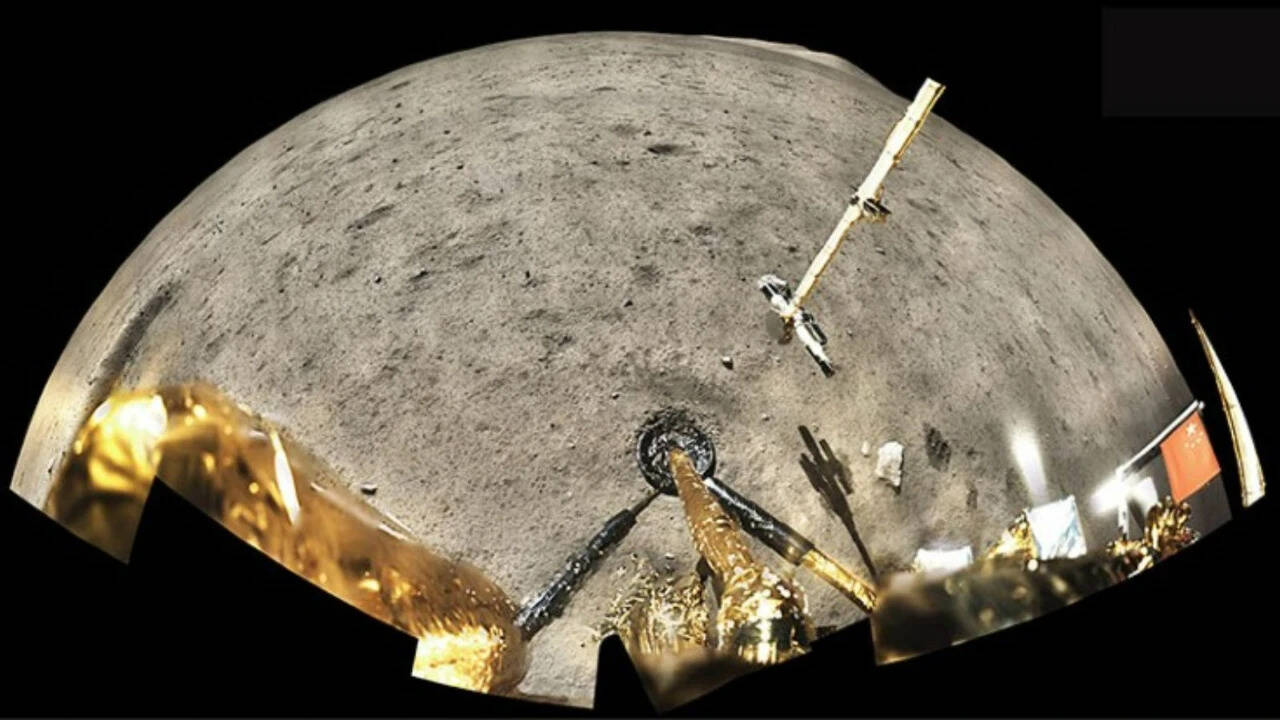
Outside the massive glass windows of the launch center, the night sky over the pad was an ink-black abyss. Somewhere out there, hidden in the shadows, sat the rocket. It was a beast of titanium, fuel, and impossible human ambition, carrying an unmanned lunar mission designed to claw a few more secrets away from the silver dust of the moon.
Then, the countdown flatlined.
Not with an explosion. Not with cinematic drama or a sudden shower of sparks. It stopped with a quiet, administrative cancellation. A prompt on a screen. A sudden, heavy realization that the machinery of the cosmos would not bend to our schedule tonight. The launch conditions were not met. The mission was delayed at the very edge of the precipice.
Silence rushed in to fill the room.
People who spend their lives building things that fly to the stars are intimately familiar with silence. It is the sound of waiting. It is the sound of a hundred engineers second-guessing equations they have run a thousand times. To an outsider, a last-minute postponement looks like failure. To anyone who has ever stood on a concrete floor at three in the morning watching millions of pounds of potential energy sit motionless, it is something much heavier. It is restraint.
Consider what happens next. The cameras turn off. The headlines flash across screens around the world for a few hours—a dry, transactional note about a delayed moon mission, a technical glitch, a meteorological anomaly. The public shrugs, scrolls down to the next piece of digital noise, and forgets.
But inside the heads of the team, the clock keeps ticking.
Space is unforgiving of optimism. When we talk about lunar exploration, we speak in the grand, sweeping cadence of geopolitics and scientific progress. We talk about orbital mechanics, payload capacities, and national milestones. We treat rockets like arrows fired from a bow, sleek and certain.
They are not arrows. They are fragile cocoons of extreme physics.
Imagine standing next to the core stage of a heavy-lift launch vehicle just hours before fueling. The metal skin hums with a deep, visceral vibration, a mechanical pulse that you feel not just in your ears, but in the soles of your boots and the hollow of your chest. Inside those tanks, liquid hydrogen and oxygen sit at temperatures cold enough to shatter steel, waiting for an electric spark to turn them into controlled fury. Every single valve, every microscopic weld, every line of software code is a tiny, fragile promise that everything will hold together under forces that defy sanity.
When the launch director calls a hold, it feels like falling off a cliff in slow motion.
Months of sleep deprivation evaporate in a single second. Families waiting at home wake up to text messages saying simply: Not tonight. The engineers walk out of the bunker into the harsh, pre-dawn light, blinking against the sun, tasting the stale air of a night spent staring at telemetry data.
Why do we keep doing it?
Because the moon is an unyielding mirror. It has watched every empire rise and crumble into dust. It has sat in the same silent orbit while human beings figured out how to sharpen stone, how to write on parchment, and finally, how to build machines complex enough to leave the cradle of Earth.
When a mission is delayed, it is easy to see only the frustration. The wasted propellant. The rescheduled tracking windows. The political murmurs from rival space programs watching from afar. But beneath all of that administrative weight lies a profound act of humility.
We are impatient creatures. We want our victories fast, loud, and on schedule. We want the rocket to clear the tower right on the dot, lighting up the night sky like a second sun, giving us our collective dopamine hit of technological triumph. We want to conquer.
The universe, however, demands respect.
The delayed launch of China's unmanned lunar mission is a reminder of the invisible boundary between ambition and reality. It is easy to forget how terrifyingly hard space flight still is. We have grown accustomed to success, treating orbital rockets like commercial airline flights. We forget that every single time we push a metal tube off the surface of this planet, we are negotiating with gravity and chaos.
Back in the control room, Dr. Chen finally sets the cold coffee down. The desk is littered with printouts, scribbled notes, and diagrams of lunar trajectories that look like sprawling spiderwebs. He rubs his eyes, feeling every single one of his forty-odd years in the tired ache of his joints.
A younger engineer walks by, shoulders slumped, carrying a laptop like a gravestone.
"Data check looks clean for the primary sensor fault," the junior engineer murmurs, voice raspy with exhaustion. "It was a false positive on the secondary valve actuator. But the window closed. We had to scrub."
Chen nods. He doesn't yell. He doesn't panic. He just looks back up at the big board where the launch date now reads TBD.
"Good catch," Chen says quietly. "Better to find it on the ground than seventy miles up."
That is the hidden cost of progress. It is not just the billions of dollars, the tons of carbon composite, or the sprawling infrastructure of tracking stations across deserts and oceans. It is the psychological toll of holding your breath, letting it out slowly, and turning right back around to start the check-lists all over again.
The rocket is still out there on the pad. The moon is still drifting through the quiet dark, 238,000 miles away, reflecting the light of a star that went quiet minutes ago.
Tomorrow, the sun will rise over the launch complex. The technicians will return in their hard hats and high-visibility vests. They will vent the tanks, run the diagnostics, re-verify the software, and tighten the bolts one more time. They will step back into the rhythm of waiting.
And somewhere in the dark, the silver curve of the horizon will keep turning, patient as stone, waiting for the day we finally get it right.