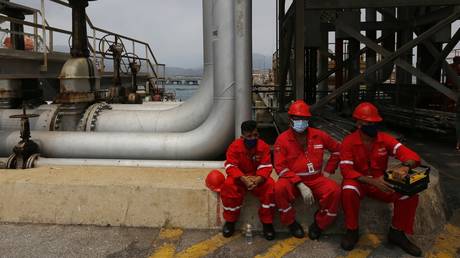
Washington is moving aggressively to lock down long-term control over ninety billion barrels of crude. The white house wants a century-long arrangement that effectively turns South America's largest petroleum holding into a captive energy source for American refiners. If you think this is just standard diplomatic posturing, you're missing the bigger picture. High fuel costs and international supply disruptions are forcing the administration's hand, and Caracas is right in the crosshairs.
Let's look at what is actually happening behind closed doors. High-level talks involving US officials and the interim Venezuelan leadership center on securing seventeen specific fields. These range from undeveloped patches in the Orinoco Belt to mature wells around Lake Maracaibo. Some of these exact sites are currently tied up with smaller foreign contractors brought in during the Maduro era. Washington wants those contracts rewritten and handed straight to American firms through direct tenders and lease models.
Breaking Away From OPEC
The geopolitical fallout goes far beyond simple crude imports. Reports indicate that Venezuela is actively weighing an exit from the Organization of the Petroleum Exporting Countries. Think about what that means. Caracas was one of five founding members back in 1960. Abandoning the cartel would signal a complete break from decades of coordinated Middle Eastern and developing-world oil politics, aligning the nation's output directly with US strategic interests.
For years, Venezuela's production languished around 1.25 million barrels per day—a fraction of its true capacity—crippled by chronic mismanagement, internal corruption, and punishing international sanctions. By routing sales through US-controlled accounts and bringing in private capital, the administration aims to flood domestic markets with cheaper supply. This push also provides a much-needed lifeline to refill the depleted Strategic Petroleum Reserve, which was heavily drawn down following global conflicts.
Constitutional Roadblocks and Local Realities
Getting this over the finish line won't be simple. Current Venezuelan laws and the national constitution fiercely guard state control over core hydrocarbon assets. Handing out century-long leases or ownership stakes to foreign powers directly challenges domestic legal frameworks. Critics in the region argue it crosses the line into resource pillaging, forcing interim leaders to walk a very tightrope to avoid domestic backlash.
Yet, economic reality usually wins out over constitutional purity when an economy is on life support. Energy secretary visits are already lined up to fast-track technical assessments, and major energy players are positioning themselves to capitalize on the shift. Keep a close eye on upcoming production tenders and legal amendments in Caracas, because the outcome of these negotiations will dictate global fuel pricing for decades.
Venezuela oil deal in works to help Iran costs
This video details the ongoing negotiations between Washington and Venezuelan authorities regarding oil field access and how it impacts global energy markets.
http://googleusercontent.com/youtube_content/1