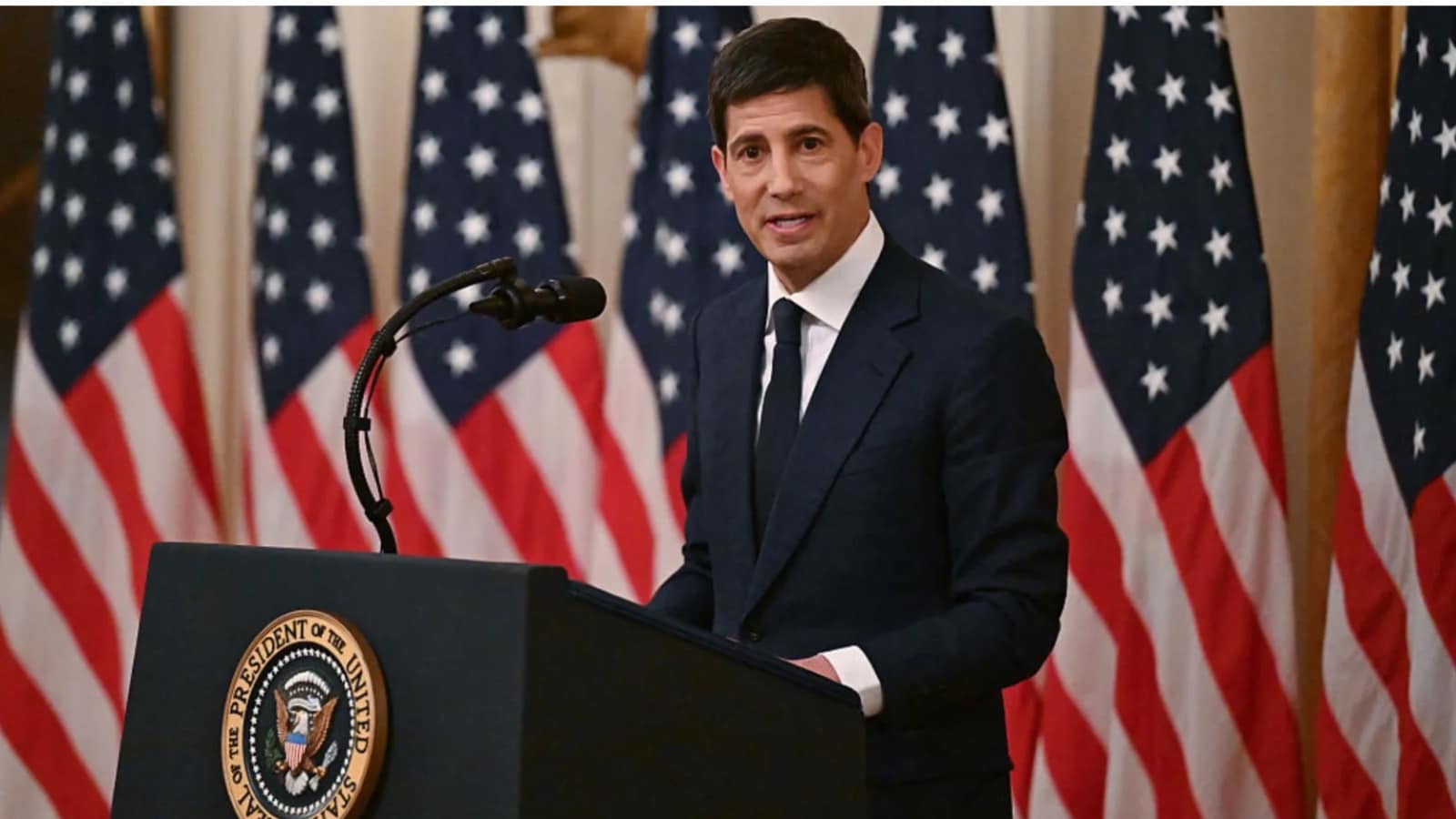
The financial press is hyperventilating over predictability. Headlines scream that Kevin Warsh walking into his second Federal Reserve meeting means a frozen rate sheet, calm waters, and steady handshakes. Everyone wants you to believe that a pause is a sign of stability. It is not. A pause is a policy of active decay disguised as prudence.
I have watched desks blow up because traders mistook a central bank standing still for a central bank that knows what it is doing. The lazy consensus is that holding rates steady protects the economy from shocks. That logic belongs in a textbook from 1995. In reality, locking borrowing costs in place while structural inflation crawls sideways creates a pressure cooker.
Let us clear up the core confusion immediately. Rate cuts are not medicine, and rate hikes are not poison. They are calibration tools for a credit engine. When the central bank freezes those dials out of fear of market tantrums, they stop calibrating and start guessing.
The Myth of the Neutral Rate
Wall Street loves the phrase neutral rate. It is the polite fiction economists use when they have no idea where money should actually cost. They model it, they debate it, and they weaponize it to justify inaction.
Here is what actually happens when you freeze rates in an economy drowning in public debt. You lock in a misallocation of capital. Businesses that should be restructuring or dying zombie shuffle along because cheap-enough money keeps their dead balance sheets upright.
Imagine a scenario where a mid-sized manufacturer needs to retool its supply chain to survive a fractured global trade map. With rates frozen at current levels, financing that pivot costs eight percent. Their margin cannot handle it. So, they do nothing. They buy back stock instead, or they sit on cash. The Fed thinks it is protecting stability by keeping rates unchanged, but it is actually starving the real economy of necessary creative destruction.
Milton Friedman warned us about this decades ago. Monetary policy operates with long and variable lags. The cuts or hikes you implement today echo through the system eighteen months from now. By refusing to move, Warsh and the committee are not neutralizing risk. They are compounding a lag effect that will detonate precisely when the data looks calmest.
Dismantling the Data Obsession
The financial media treats every inflation print like tea leaves. Employment numbers drop, and algorithms panic. Retail sales tick up, and anchors declare victory over the business cycle.
This obsession with high-frequency data points is a trap. Central bankers watch monthly indicators because they are terrified of accountability. If you manage policy quarter by quarter, you never have to answer for the structural debt supercycle you are feeding.
Let us look at the mechanics of why a static rate hurts more than a dynamic one.
- Asset Price Distortion: When rates stay flat despite persistent underlying cost pressures, investors chase yield in riskier corners. Private credit swells with questionable underwriting.
- The Refinancing Wall: Corporations that locked in low coupons years ago are staring down maturity walls. Standing still on rates means those maturities hit a brick wall of higher refinancing costs anyway, but without any cushioning policy shifts.
- Banking Sector Strains: Regional banks hold portfolios of long-duration assets bought during the zero-interest era. A frozen rate environment does not heal those balance sheets; it slowly bleeds them through unrealized losses that never quite clear.
I have sat in rooms where risk officers looked at models showing pristine liquidity, right before a liquidity evaporation event wiped out half their counterparties. The math was right. The assumption behind the stability was dead wrong.
The Cost of Inaction
Admitting the downside of this contrarian view is simple. If the Fed started slashing or aggressively hiking right now, it would cause immediate volatility. Stocks would shudder. Purturbed algorithmic traders would dump shares.
That volatility is the tax you pay for reality.
When central banks smooth out every wrinkle, they transfer tail risk from investors to the broader public. They protect equity holders today by printing systemic instability tomorrow. Every month rates sit frozen while fiscal deficits run hot is another month the currency absorbs invisible damage.
The people asking whether Warsh will pivot are asking the wrong question entirely. The question is not whether the dial moves a quarter point up or down. The question is why we still pretend a committee of political appointees can second-guess the global price of capital better than open markets ever could.
Stop waiting for the Fed to save you. Build your thesis assuming they will always choose the path of least political resistance, even when that path leads straight off a cliff.
The meeting will end. The statement will drop. The pundits will parse every comma for a hint of future dovishness. And the systemic rot will continue underneath the polished veneer of consensus.
Don't trade the pause. Bet against the illusion that standing still is safe.