Wall Street hates uncertainty. Right now, it's drowning in it.
If you check the ticker today, you'll see a wild tug-of-war playing out across global exchanges. On one side, crude prices are surging past $82 per barrel while U.S. reserves sink to their lowest points since 1983. On the other side, an endless wave of artificial intelligence optimism keeps pulling tech stocks higher, fueled by massive capital injections like the recent half-trillion-dollar financing push for Nvidia clients.
Investors aren't sure whether to panic over geopolitical energy shocks or buy another share of the tech boom. Let's break down why this strange market tension exists and what it means for your money.
The Crude Reality Behind Oil Jitters
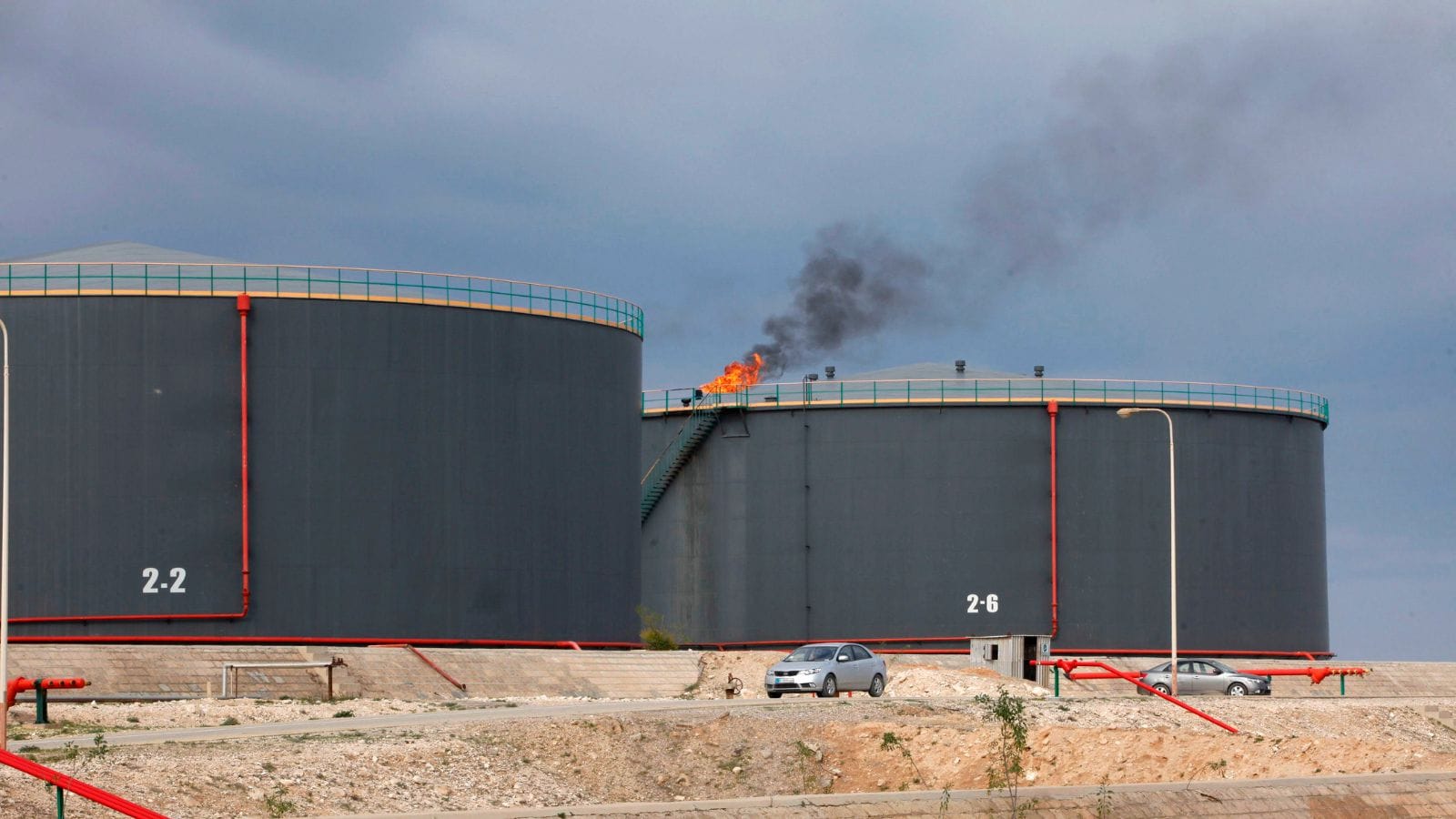
Energy markets are on edge. Geopolitical standoffs in the Middle East and ongoing supply bottlenecks have pushed oil past $82 a barrel. When fuel costs climb, everything else gets expensive. Inflation ticks up. Supply chains slow down. Corporate profit margins shrink.
Yet, traders keep holding onto the hope that chokepoints like the Strait of Hormuz will magically reopen without incident. That's a dangerous bet. Washington and Tehran remain miles apart, and domestic petroleum reserves are historically low.
You can't ignore energy costs. When oil spikes, it acts as a tax on the entire global economy. Companies that rely heavily on transport or manufacturing take an immediate hit. If you're building a portfolio, ignoring energy risk right now is a rookie mistake.
The Trillion-Dollar AI Machine Keeps Chugging
While energy markets sweat, tech bulls are looking past the macro chaos. They are staring straight into the artificial intelligence gold rush.
Look at the numbers. Major investment firms recently aligned to back a staggering $500 billion financing effort for Nvidia's customer base. Jensen Huang keeps telling anyone who will listen that these high-end chips are unique investable assets with deep utility. Meanwhile, companies like OpenAI wrap up multi-billion-dollar share sales, and nations like Singapore double their annual growth forecasts simply by riding the wave of tech manufacturing and data infrastructure.
This creates a bizarre market split. Old-school economic indicators scream caution, but the tech sector treats capital like water.
Spotting the Common Traps
Most retail investors look at this messy environment and make simple errors. They try to time the top of the tech cycle, or they panic sell every time an oil headline flashes across their screen.
Here is what you actually need to keep in mind:
- Volatility is normal when two massive, opposing forces collide.
- High oil prices hurt consumer discretionary spending, even if tech stocks ignore the pain for a few weeks.
- Relying on single-stock hype without checking macro economic indicators leaves your money exposed to sudden policy shifts.
Diversification isn't just a boring buzzword your advisor uses. It's the only armor you have when crude spikes and tech valuations stretch to the stratosphere.
What You Should Do Now
Stop trying to predict what the central bank or foreign governments will do tomorrow morning. You can't control geopolitical standoffs or corporate spending sprees.
Instead, look at your actual asset allocation. Balance high-growth technology exposure with defensive holdings that can weather an energy shock. Keep a close eye on cash flow rather than just headline growth metrics. Protect your downside first, and let the market noise sort itself out.