The timing isn't a coincidence. It never is. Just days before Russia's most sacred secular holiday, the Kremlin suddenly wants everyone to put down their weapons. Russia has declared a unilateral ceasefire for May 8-9 to mark the 81st anniversary of the Soviet victory in World War II. But if you've been watching this conflict for the last four years, you know the drill. This isn't about peace; it's about optics and air defense.
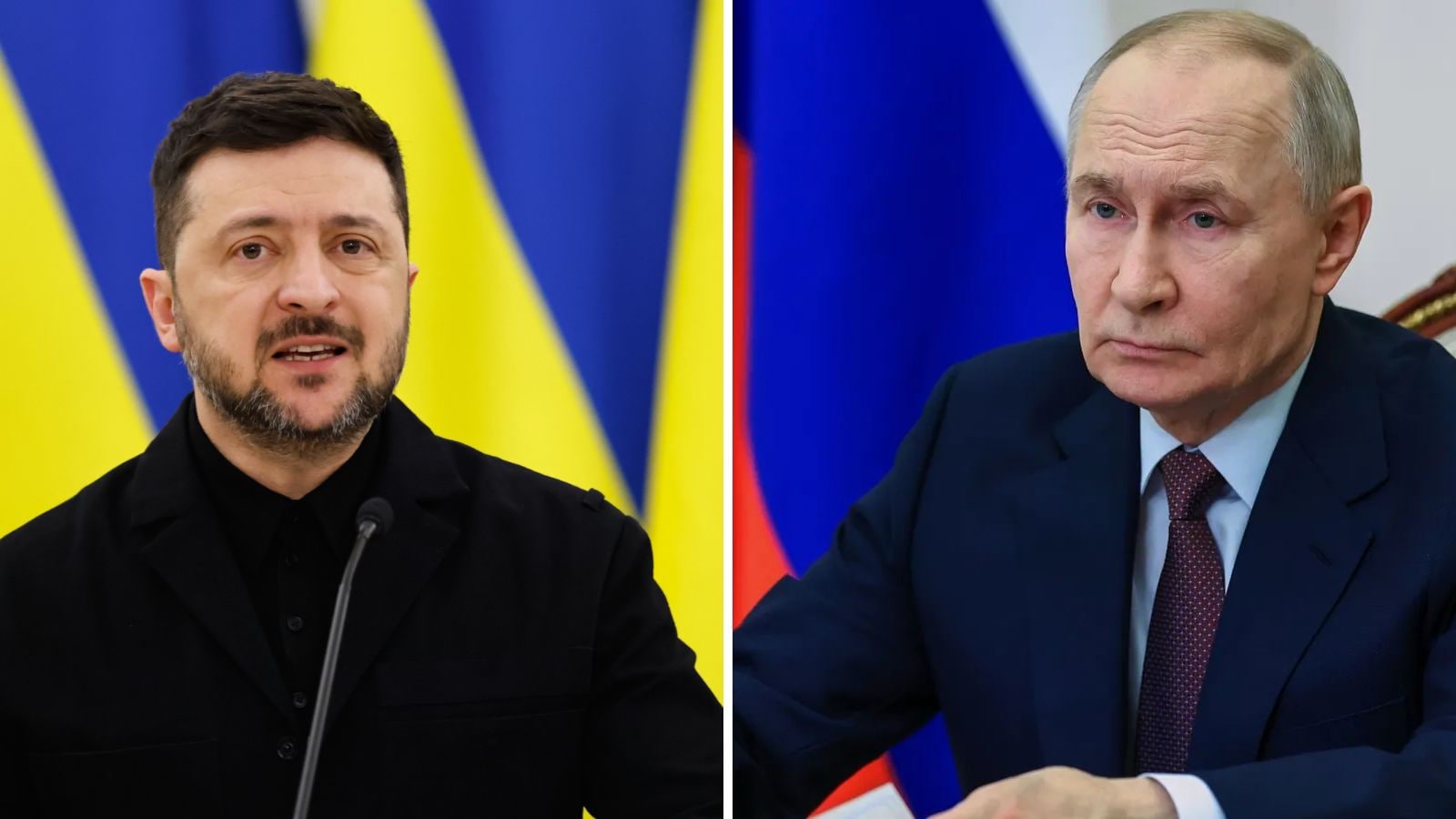
Right now, both sides are trading massive drone strikes while talking about "humanitarian pauses." It's a surreal back-and-forth where missiles fly while diplomats and leaders argue over the definition of a truce. Ukraine isn't biting this time. President Volodymyr Zelenskyy has already called the move "utter cynicism," responding with his own 24-hour "regime of silence" starting at midnight on May 6.
The Reality Behind the Victory Day Truce
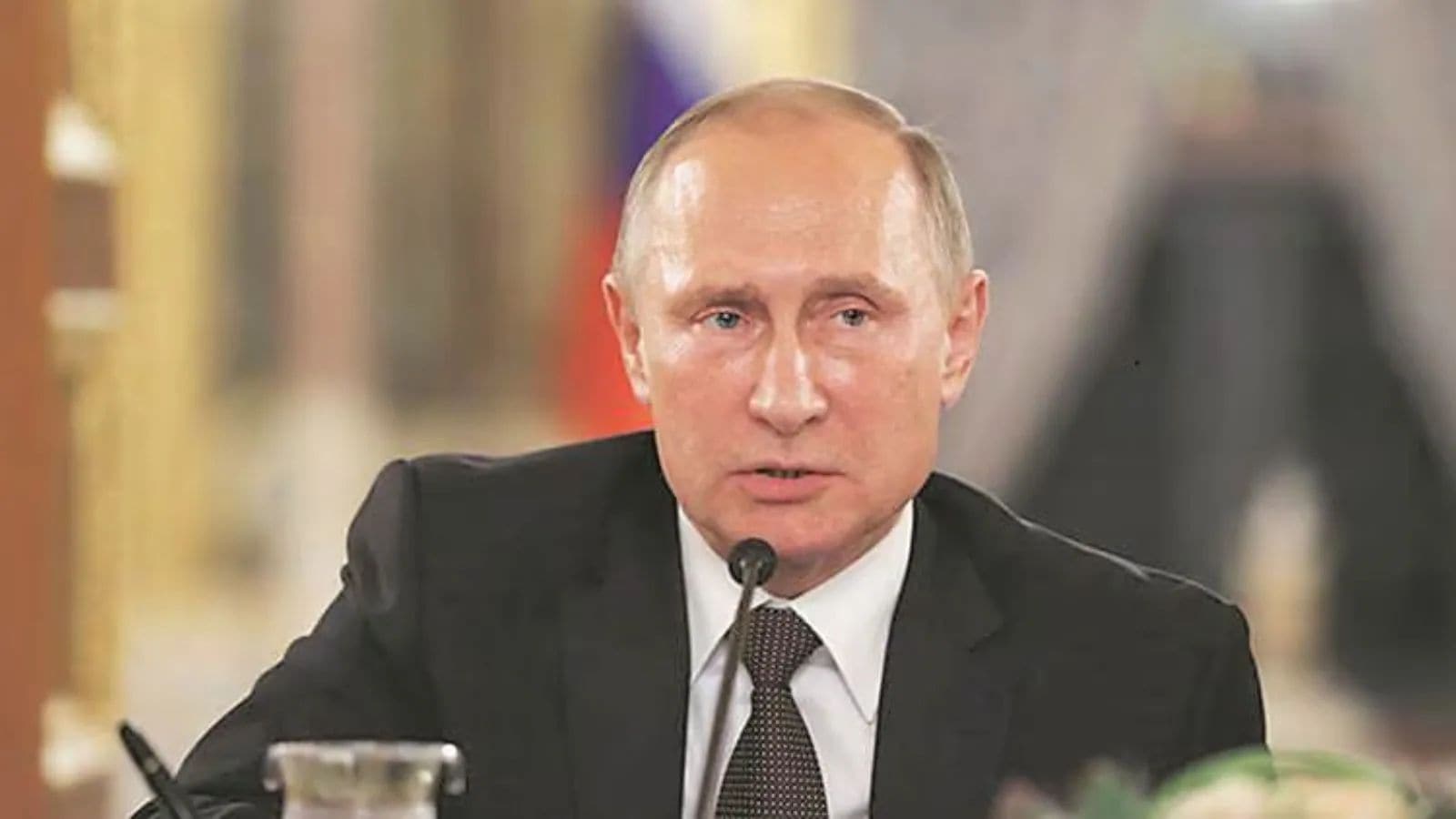
For Vladimir Putin, Victory Day is the bedrock of his political identity. Usually, Red Square is packed with tanks and intercontinental ballistic missiles. This year? Not so much. For the first time in nearly two decades, the parade will reportedly be stripped of its heavy military hardware.
The reason is simple. Ukraine's long-range drones are getting better, and Moscow is nervous. Just overnight, a Ukrainian drone hit a high-rise in Moscow's Mosfilmovskaya area. It's a rare breach of the capital's defense, and it sends a clear message: the front line isn't just in the Donbas anymore. It's at the Kremlin's doorstep.
By calling for a ceasefire, Russia isn't looking to end the war. They're looking to ensure their parade goes off without the embarrassing "buzz" of a kamikaze drone overhead.
Recent Escalations by the Numbers
While the talk is all about truces, the actions on the ground are anything but peaceful. Here is what's happened just in the last 48 hours:
- 23 civilians killed in Russian strikes across Ukraine, including 12 in Zaporizhzhia and 5 in Kramatorsk.
- 117 drones reportedly intercepted by Russian air defenses across multiple regions.
- Gas facilities struck in Poltava, killing three energy workers.
- Oil depots hit in the Krasnodar Region by Ukrainian drones, causing massive fires.
These aren't the actions of two nations preparing for a genuine halt in hostilities. They're the actions of two combatants trying to land one last heavy blow before a temporary, fragile pause.
Why Ukraine is Pushing Back
I've seen this cycle before. During Orthodox Easter just weeks ago, a similar 32-hour truce was floated. It didn't stop the killing. Ukraine’s position is that a "ceasefire" that only lasts long enough for a parade is a PR stunt. Zelenskyy is pushing for a long-term, guaranteed ceasefire—not a few hours of security so Putin can look strong on TV.
The Ukrainian leadership sees the Russian proposal as a trap. If they agree and Russia strikes anyway (which has happened in almost every previous "truce"), Ukraine looks weak. If they reject it and launch drones on May 9, Russia uses it as propaganda to claim Ukraine is "targeting civilians" or "disrespecting history."
The Shadow of the 81st Anniversary
The "Great Patriotic War" is a powerful tool for the Kremlin. They’ve spent years linking the fight against Nazi Germany to the current invasion of Ukraine. It’s a narrative that works domestically, but it’s hitting a wall of reality. When you have to install anti-drone nets over critical infrastructure in your own capital, the "military might" you're celebrating feels a bit thin.
What This Means for the Coming Week
Don't expect the sirens to stop. Even with the competing announcements of "regimes of silence," the tension is at a breaking point. Russia has threatened a "massive missile strike" on the center of Kyiv if their parade is disrupted. They’ve even warned foreign diplomats to leave the city.
This isn't diplomacy. It's a hostage situation.
If you're tracking the movement of this conflict, pay attention to the drone activity over the next 24 hours. Ukraine’s unilateral truce starts sooner than Russia’s. If that window passes with more strikes—and let's be honest, it probably will—the Victory Day ceasefire will be dead before it officially begins.
Practical Steps for Following the News
- Check multiple sources: Don't just rely on official Telegram channels from either side. Verify strike reports with independent satellite imagery or local eyewitness accounts.
- Watch the air defense stats: The number of "intercepted" drones is often inflated. Look for "hits" on infrastructure like oil depots or energy grids as a truer metric of impact.
- Ignore the "Ceasefire" labels: Until the guns actually stop for more than 48 hours, treat these announcements as military maneuvers rather than peace talks.
The war isn't taking a holiday. Whether the drones fly on May 9 or not, the underlying conflict remains as stuck and as deadly as ever. The "ceasefire" is just another weapon in the arsenal.
Ukraine Russia Drone Strikes Video
This video provides visual context for the recent drone breaches in Moscow and the security atmosphere leading up to the May 9 celebrations.
http://googleusercontent.com/youtube_content/1