The heating oil truck does not care about stock tickers. It rattles down a frost-heaved country lane in rural Ireland or upstate New York, hauling liquid petroleum gas to a farmhouse whose owner has never heard of the London Stock Exchange. Inside that truck is a quiet supply chain spanning fifty years. Behind that truck is a boardroom war that just fundamentally altered how Britain trades its industrial soul.
Today, DCC Energy agreed to a buyout worth up to £5.75 billion.
Take that in. Five billion, seven hundred and fifty million pounds. Paid in hard cash by a private equity consortium featuring American heavyweights KKR and Energy Capital Partners. For months, the market watched the dance. Proposals were submitted, rejected, and quietly sweetened. Floors were tested. Finally, the board blinked, caving to a cash offer valuing the business at roughly 6,797 pence per share.
To understand why this matters, you have to look past the spreadsheet. You have to look at the massive erosion of the public market.
Consider what happens next to the London Stock Exchange. It is bleeding. Major players are vanishing into the private vaults of Wall Street capital faster than analysts can rewrite their forecasts. From Mitie to Tate & Lyle, iconic brands are retreating from public scrutiny. They are swapping the messy accountability of public shareholders for the closed-door efficiency of private ownership. DCC was supposed to be different. It was a FTSE 100 anchor, a Dublin-headquartered distribution titan moving everything from medical supplies to off-grid fuel across continents.
Not anymore.
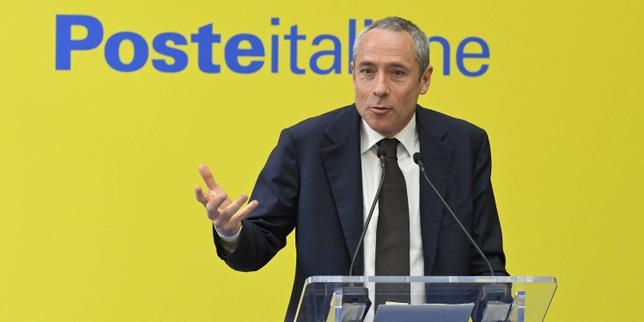
Imagine sitting in a quiet office overlooking Dublin, staring at a corporate history you spent decades building. Jim Flavin founded this empire. He watched it grow from a localized venture into a multinational energy infrastructure giant. When the board recommended this buyout, Flavin did not pop champagne. He called it a charade. He stood shoulder-to-shoulder with massive institutional investors like Aviva and Fidelity, arguing that the private equity sharks were getting a discount on a masterpiece.
They had a point. Back in 2022, DCC mapped out a ferocious strategy. The goal was clear: double operating profits to £830 million by the year 2030. The engine was roaring. The operational simplification was working.
Then reality met macroeconomics.
Delivering that 2030 vision on the public market required grueling, flawless organic execution and endless mergers against a backdrop of global volatility. Public markets have short memories and brutal short-term demands. Private equity offers an escape hatch. Chairman Mark Breuer and the board looked at the mountain ahead, looked at the cash on the table, and decided to crystallize value today rather than chase ghosts tomorrow.
Cash today always beats promises tomorrow.
The transaction is structured down to the last penny. Shareholders get a base payment of 6,525p, bolstered by a 147.22p final dividend, with an extra 125p dangling on the successful disposal of their Nexora technology division. It represents a staggering 24 percent premium over where the stock quietly sat before the sharks started circling.
Yet, the victory tastes bitter to those who built it.
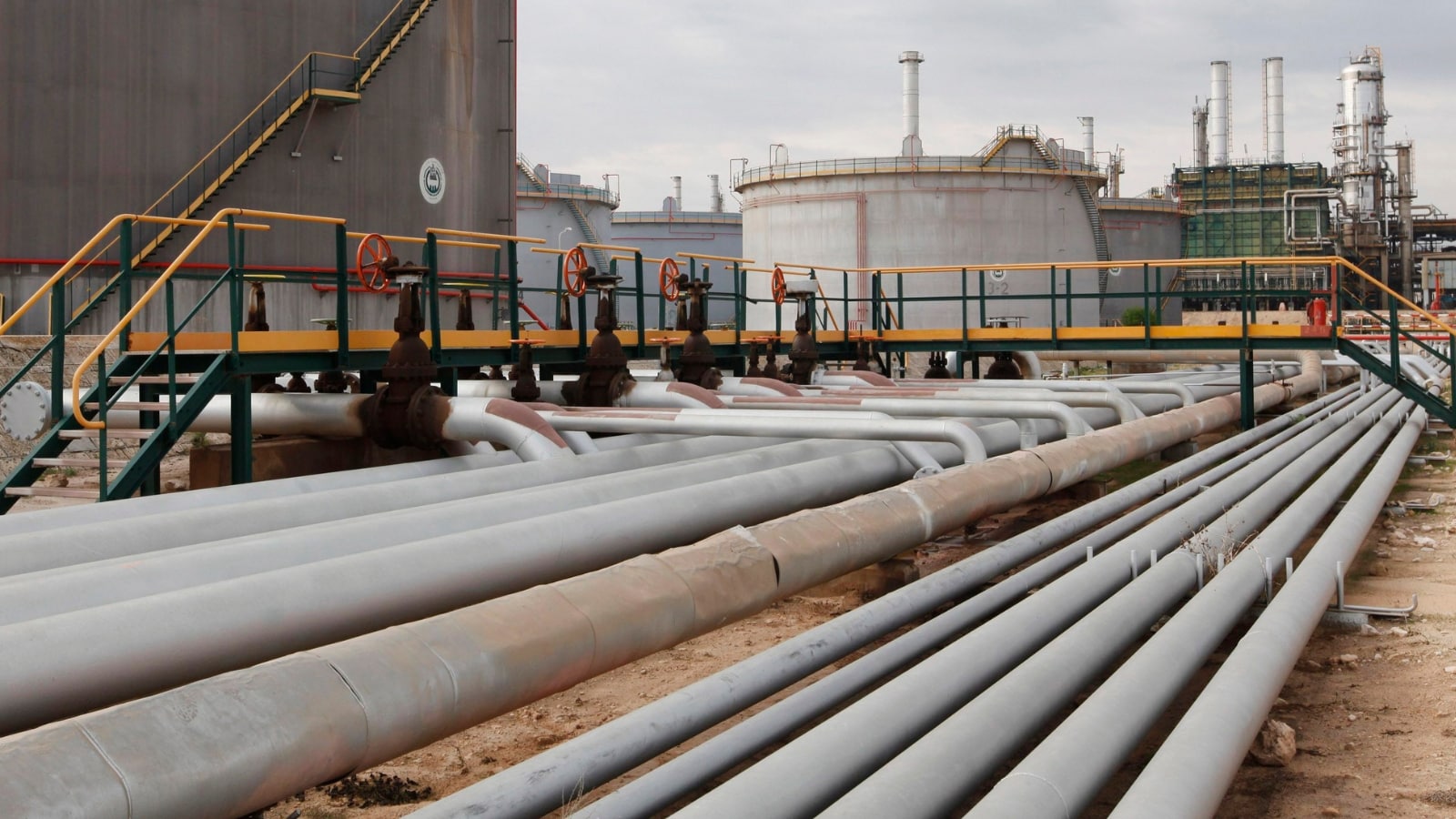
Private equity does not buy companies to preserve museums. They buy them to reshape them, strip away inefficiencies, leverage the assets, and sell them higher down the road. KKR and Energy Capital Partners are masters of this mechanical evolution. They see an energy distributor riding a fifty-year heritage and realize that off-grid energy is a cash cow in a world terrified of grid instability. They see the propane tanks, the heating networks, the commercial distribution veins keeping rural economies warm.
And they want it locked away from public eyes.
When the deal closes in the first quarter of 2027, another pillar of British public equity will quietly disappear. The ticker symbol will fade. The retail investor will be cashed out, forced to find somewhere else to park their capital.
The heating oil trucks will keep rolling down those country lanes. The drivers will still shift gears in the early morning frost. The households at the end of the road will still turn up their thermostats against the winter chill, completely unaware that the corporate titan feeding their flame now answers to a New York boardroom.
Ownership changes. Gravity does not.