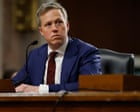
The country's top military officer just drew a hard line. General Dan Caine, chair of the Joint Chiefs of Staff, explicitly stated that the military has zero plans to deploy personnel to polling locations.
If you are wondering whether armed service members or federalized National Guard units will monitor midterm voting sites or seize ballots, the short answer is no. Caine spelled this out in a direct letter to Senator Elissa Slotkin, shutting down months of growing political anxiety.
What the Joint Chiefs Chairman Actually Promised
Concerns reached a fever pitch after various political figures floated ideas about federal intervention in local voting. Lawmakers wanted written guarantees. Caine delivered them.
The Joint Force will not send federal military personnel or federalized Guard members to polling places. They will not seize voting machines, ballots, or election material. Caine also noted he had neither received nor expected any unlawful orders regarding the upcoming midterms.
Local and state officials retain sole responsibility for election administration and security. That is the law. It remains unchanged.
The Legal Walls Protecting the Ballot Box
People often forget that domestic military deployment is heavily restricted. The legal framework surrounding elections is strict for a reason.
The Posse Comitatus Act restricts federal troops from acting as domestic police forces. Other specific statutes make deploying armed men to a voting place illegal, save for extreme threats. While exceptions like the Insurrection Act exist for extreme civil unrest, using active-duty soldiers for routine election oversight crosses lines that military leaders are eager to avoid.
Past generals drew similar boundaries. Back in 2020, then-chairman General Mark Milley emphasized that the military must remain strictly apolitical. Courts and Congress resolve election disputes. Not infantry units.
Why Lawmakers Kept Pressing for Answers
Unease didn't appear out of thin air. Debates sparked up after past administration comments regarding federal oversight and regret expressed over not seizing certain voting equipment after prior cycles.
Senators took notice. Lawmakers even ran tabletop planning exercises to prepare for worst-case scenarios. When you mix high-stakes political rhetoric with domestic troop deployments in major cities for other matters, anxiety spikes.
Defense Secretary Pete Hegseth faced similar questioning during congressional hearings, dismissing queries about seizing ballots as hypothetical. But Caine's written commitment gives critics a firm baseline from the uniformed leadership itself.
How to Verify Election Logistics Yourself
If you want to track official updates or check your voter registration details without relying on rumors, ignore social media noise. Head straight to trusted municipal portals or independent tools like the USA.gov Voting Information Site to find your state's certified guidelines. Check your local secretary of state office directly for verified operational rules.