The relative quiet in the Persian Gulf just shattered. After a month-long pause in direct military exchanges, American warplanes struck Iranian positions on Larak Island, and Tehran responded by firing ballistic missiles toward regional bases.
If you thought the diplomatic back-channels were finally working, Sunday's escalation proves otherwise. The brief hiatus in hostilities was nothing more than a tactical deep breath. Now, both sides are back to trading blows over the world's most critical energy chokepoint.
What Triggered the Sudden Escalation
The U.S. military didn't act out of nowhere. Central Command stated that American forces targeted two Iranian rocket launchers stationed on Larak Island, a strategic outpost overlooking shipping lanes near Bandar Abbas. Washington claimed the launchers were actively preparing to drop sea mines into the Strait of Hormuz.
Tehran saw it differently. Iranian state media reported that the strikes killed military personnel and civilians. For a regime already dealing with severe domestic fuel shortages and tightening Western financial pressure, doing nothing wasn't an option.
Within hours, retaliation followed. Iran launched ballistic missiles and drones targeting U.S. forces and air assets in the United Arab Emirates and Jordan. Jordanian armed forces reported intercepting multiple missiles entering their airspace, while the UAE confirmed intercepting drones over its territorial waters.
The Battle for the Strait of Hormuz
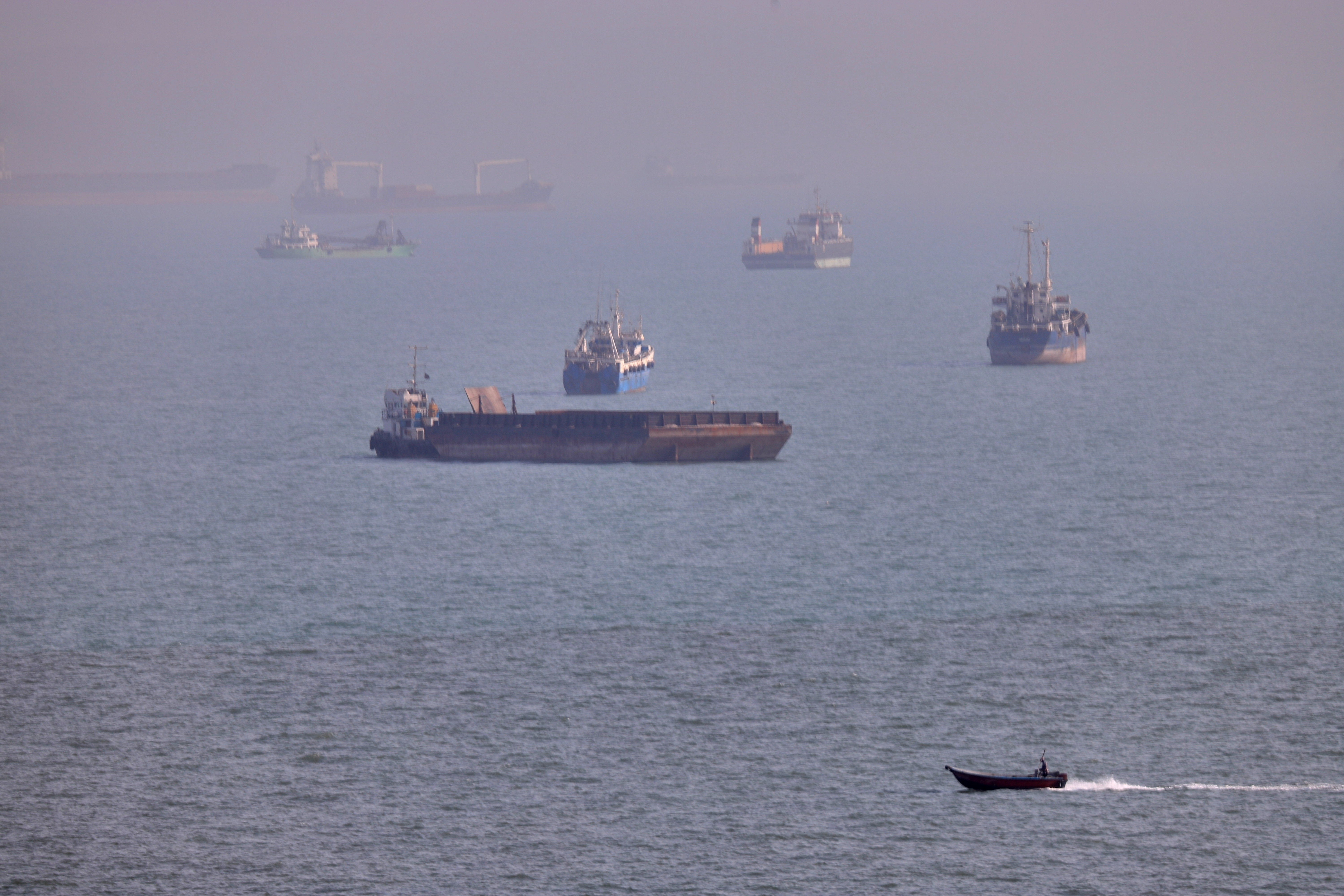
Everything revolves around the water. The Strait of Hormuz handles a massive chunk of global oil transit, and control over these narrow shipping lanes remains the ultimate flashpoint.
Last week, U.S. officials claimed naval forces had successfully finished clearing sea mines from international shipping routes. Tehran immediately called those claims fiction. The Islamic Revolutionary Guard Corps pointed to a burning supertanker that came to a dead halt after striking naval mines.
Iran maintains that unauthorized entry through the strait violates its navigation rules, despite international maritime law guaranteeing freedom of navigation. This fundamental disagreement turns every passing oil tanker into a potential target. Shipping companies are left guessing whether naval escorts can actually protect them from hidden ordnance.
Economic Pressure and Digital Posturing
Military strikes are only half the battle right now. The White House recently rolled out tighter secondary economic sanctions aimed at choking off remaining financial lifelines for Tehran.
President Trump dialed up the psychological warfare by posting a digital video depicting a major oil facility under missile attack, complete with a caption claiming Kharg Island was being flattened. Iranian officials quickly brushed it off as pure theater. Hamid Bovard, head of the state-run National Iranian Oil Company, dismissed the posts as laughable, noting that workers on Kharg Island were simply continuing routine repairs from previous strikes.
Yet, the economic pinch is real. Independent analysts and regional updates from the Institute for the Study of War point to acute domestic fuel rationing and currency strains inside Iran. When a regime faces internal economic strain alongside external blockades, military restraint usually vanishes.
President Masoud Pezeshkian stated that Iran will respond to any aggression while officially claiming he wants to avoid total war. That balancing act gets harder with every exchange of fire.
Keep a close eye on G20 financial meetings and regional diplomatic forums over the coming days. If Washington follows through on penalizing third-party nations maintaining trade ties with Tehran, expect the fallout to spill well beyond the Persian Gulf. Check maritime insurance rates and commercial shipping advisories before assuming the strait is safe for transit.