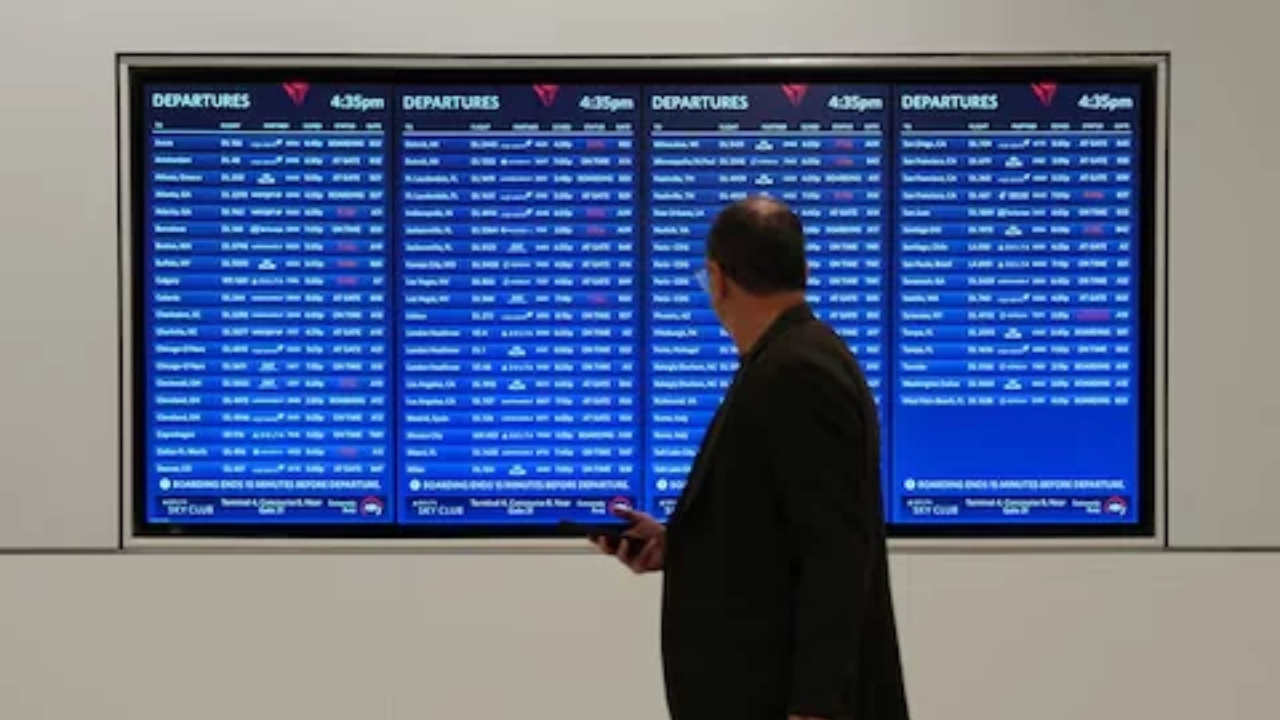
Airlines love to say flights are returning to normal. Honestly, "normal" is a slippery word when your luggage is in Denver and your crew is stuck in Chicago.
When a nationwide aviation disruption hits the United States, the initial ground stop or weather wave grabs the headline. Yet the real headache starts hours later, when thousands of aircraft, pilots, flight attendants, and passengers sit out of sync across a deeply interconnected route network.
If you're stuck at a gate or staring at a rebooked itinerary that makes zero sense, you're not imagining things. Recovery is slow because modern air travel runs with almost no slack. One domino tips, and the whole line wobbles for days.
How Nationwide Flight Disruptions Ripple Across the System
US aviation doesn't operate as a neat collection of point-to-point buses. Major carriers rely on hub-and-spoke networks where planes and crews fly four or five legs a day, often crossing time zones and weather fronts in a single shift.
When severe weather, an air traffic control outage, or a software glitch halts traffic in a major hub like Atlanta, Dallas-Fort Worth, or Chicago, the damage spreads fast. Planes can't land or take off on schedule. Gates fill up with delayed arrivals. Inbound aircraft that were supposed to fly the next route simply aren't there.
Crew scheduling makes the bounce-back even trickier. Pilots and flight attendants are governed by strict federal duty-time and rest limits set by the Federal Aviation Administration. If a delay pushes a crew past their legal flight or duty window, they must stop flying and rest. Sometimes there isn't a legal reserve crew sitting in that city to take over.
I've watched travelers assume that once skies clear, schedules snap right back. Doesn't work that way. A single morning bottleneck can leave aircraft parked in the wrong airports overnight, which breaks tomorrow's morning bank of departures before the sun even comes up.
Why US Flight Operations Recover Slowly Even After Skies Clear
It's tempting to blame stubborn airline executives when recovery drags into day three or four. Sometimes poor planning or outdated crew-routing software really does make things worse. Other times, physics and safety rules set a hard speed limit on how fast an airline can heal.
Here's what actually slows down the recovery:
- Crew displacement: Pilots and flight attendants end up in cities where they aren't scheduled to start their next pairing, creating a puzzle of deadhead flights and hotel rooms.
- Aircraft imbalance: A Boeing or Airbus might sit in a secondary airport while passengers wait at a hub for a plane that never made the return leg.
- Full cabin loads: Most flights already run near capacity, so rebooking thousands of stranded flyers takes days even when planes are flying again.
- Cascading maintenance checks: Certain routine inspections or part swaps require specific airports or technicians, adding friction when planes get routed off-plan.
Travelers often ask why airlines don't just add extra planes on standby for big disruptions. Because spare jets and spare crews cost money every single day they sit idle. Airlines price tickets assuming high asset utilization, which keeps fares lower most of the year and leaves thin buffers when things go sideways.
That trade-off is debatable, and consumer advocates regularly push carriers to hold bigger operational reserves. Still, even well-run airlines have to untangle thousands of moving parts under strict safety limits, and that takes time.
What Airlines Do Behind the Scenes to Reset
When dispatchers and network control centers work to restore order, they make tough triage calls. Rather than running every flight late and breaking the next day's schedule too, airlines often pre-cancel select flights to position planes and crews where they'll do the most good tomorrow.
That feels maddening when your flight gets canceled on a sunny afternoon. It's kinda like pulling a few cars off a jammed highway so the remaining lanes can finally move.
Airlines also prioritize high-frequency trunk routes between major hubs first. Smaller regional spokes or once-a-day international connections can take longer to stabilize because a single missed turn means waiting until the next day.
Practical Moves When Your Trip Gets Caught in the Mess
Waiting passively at the airport gate is usually the slowest way to get home. When a nationwide disruption is winding down, a little speed and flexibility go a long way.
- Check the airline app and alternative airports early. While everyone else lines up at a single customer service desk, self-service rebooking tools often show options faster. Look at nearby airports too, like flying into Midway instead of O'Hare or Newark instead of JFK if that gets you moving.
- Ask for a confirmed seat, not just standby. Standby lists during a recovery wave can be dozens of names deep. Getting a confirmed seat a day later is often smarter than gambling on three consecutive standby flights that miss.
- Know your rights and keep receipts. When flights are canceled or significantly delayed, US DOT rules and individual airline policies govern refunds, rebooking, and in some cases meals or hotels depending on the cause. Save every receipt and screenshot your itinerary changes.
- Consider a train or rental car on short corridors. If you're trying to cover a few hundred miles along the Northeast Corridor or between nearby cities, ground transport can beat a two-day airline backlog.
Don't book a tight connection the day after a major meltdown if you have an important event or cruise waiting. Give yourself a cushion, pack essentials in your carry-on so a delayed bag doesn't ruin your first morning, and keep an eye on the plane's incoming flight status rather than just your departure board.


