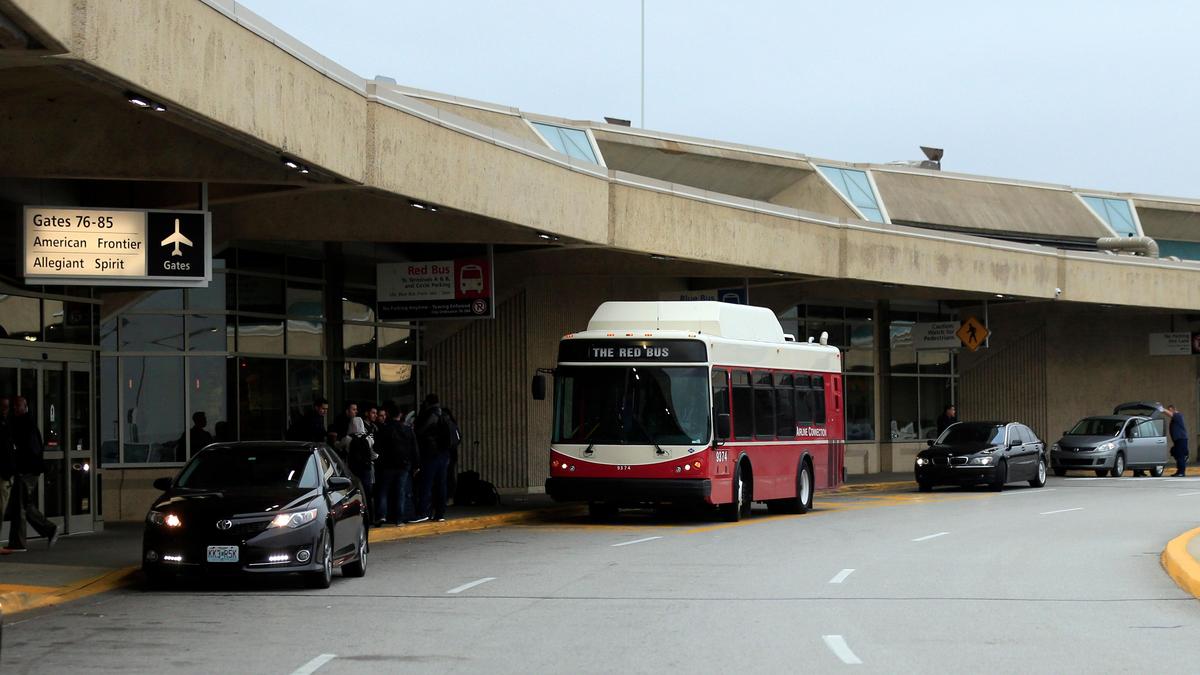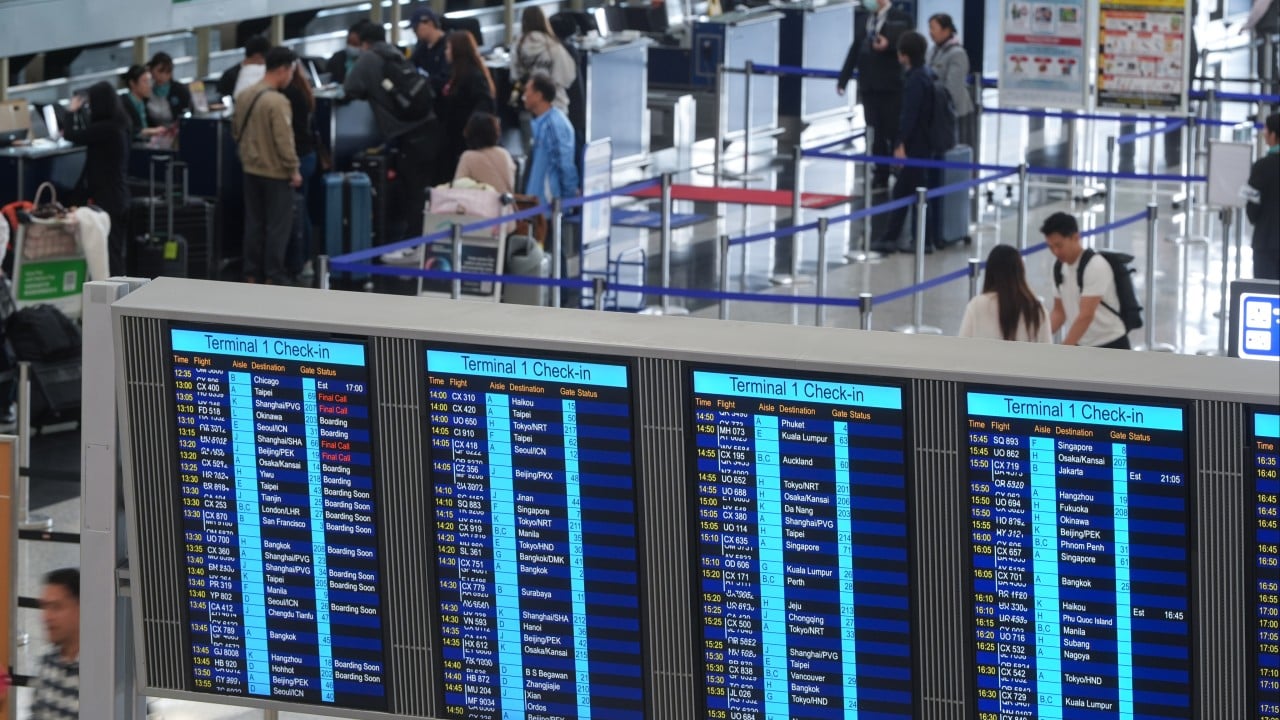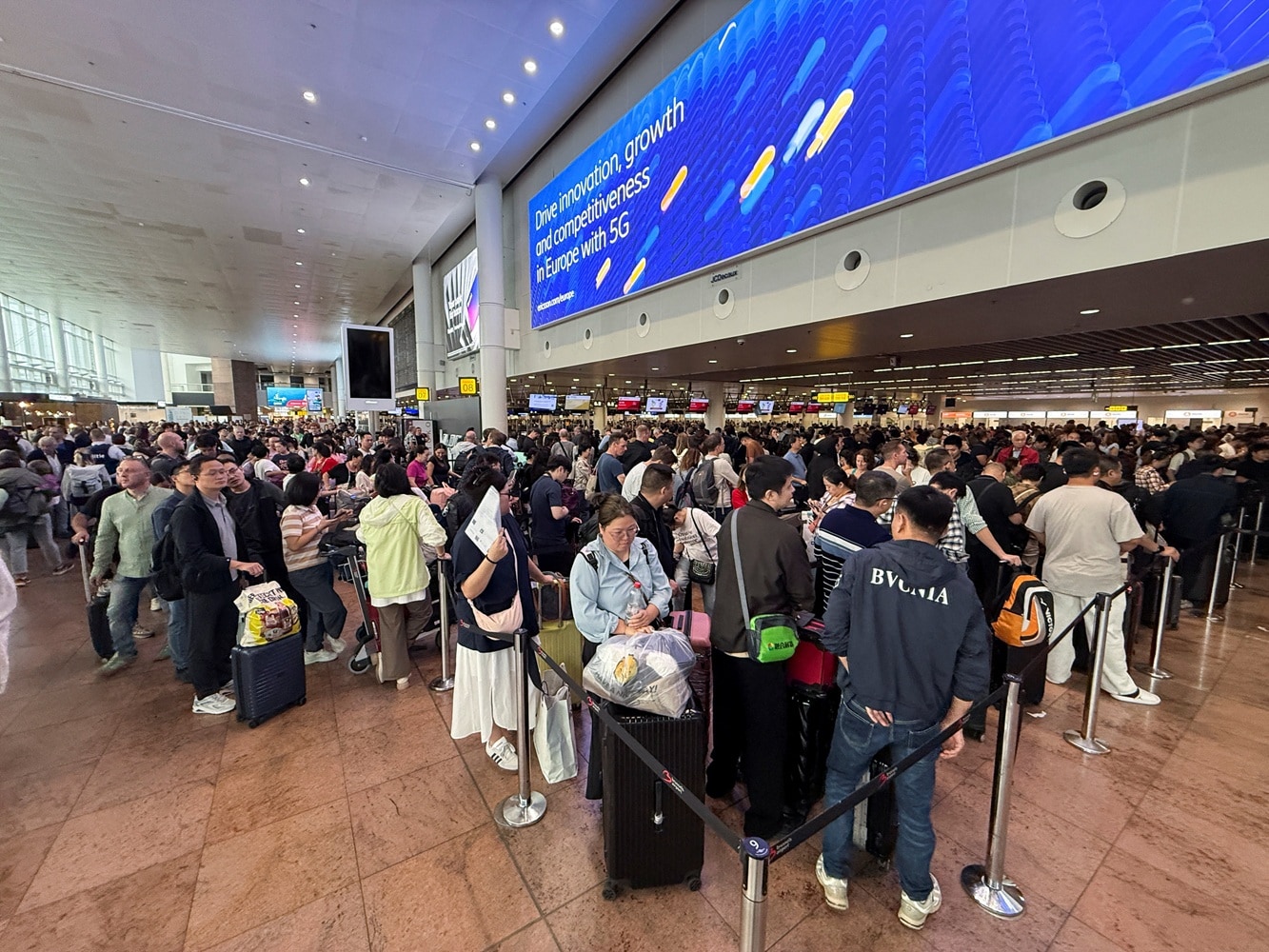
The three-hour security lines currently snaking through major American transit hubs are not an accident of history or a temporary glitch in the system. While initial reports focus on a sudden spike in Transportation Security Administration (TSA) absences, the reality is a systemic failure decades in the making. Passengers are stuck in stagnant queues at Chicago O'Hare and Hartsfield-Jackson Atlanta because the federal government has treated aviation security as a low-cost commodity rather than a critical infrastructure priority. The current surge in wait times is the inevitable result of a "break-fix" mentality that relies on a demoralized workforce to absorb the shocks of a travel industry that has outpaced its regulators.
For the traveler missing a connection, the immediate cause seems obvious: there aren't enough people in blue uniforms at the bins. However, the root of the decay lies in the gap between the TSA’s rigid operational mandate and the volatile nature of modern labor. We are seeing a breaking point where the cost of living in major metropolitan areas has made the entry-level TSA salary effectively unworkable. When a worker can earn more stocking shelves at a big-box retailer with half the stress and none of the federal liability, the security line is the first thing to collapse.
The Pay Gap and the Exit Door
Aviation security is a high-stakes environment, yet the compensation structures often mirror those of retail. This creates a revolving door of talent. When the agency loses a veteran officer, it doesn't just lose a body at a metal detector; it loses years of institutional knowledge regarding "the tell"—those subtle behavioral cues that technology often misses.
The current absenteeism is a symptom of burnout. During peak travel seasons, the agency frequently leans on mandatory overtime to cover gaps. This works for a week. It fails over a month. By the time the public sees a three-hour wait, the staff has already been running at 110 percent capacity for weeks. The physical and mental toll of screening thousands of frustrated passengers leads to "sick-outs" that aren't necessarily coordinated strikes, but rather a collective exhaustion.
Why Technology Isn't Saving the Day
There is a common myth that automation will eventually eliminate the need for these lines. Billions have been poured into Computed Tomography (CT) scanners and facial recognition software. These tools are supposed to speed up the process by allowing travelers to keep liquids and electronics in their bags. In practice, the rollout has been fragmented.
A traveler might experience a high-tech, efficient lane in Terminal A, only to be funneled into a 1990s-era setup in Terminal B. This inconsistency creates a "bottleneck effect" where the slowest point in the airport dictates the speed of the entire system. Furthermore, new technology requires specialized training. Every hour an officer spends in a classroom learning a new interface is an hour they are not on the floor. The agency is caught in a trap where it cannot modernize without further depleting its active workforce.
The Budgetary Blind Spot
Congress treats the TSA budget as a political football. When wait times get long, there is a flurry of activity and temporary funding. When the lines subside, the urgency vanishes. This prevents the agency from engaging in long-term workforce planning. Without a guaranteed, multi-year budget for payroll increases, the TSA cannot compete with the private sector for reliable employees.
The aviation excise taxes paid by passengers are intended to fund these operations, yet those funds are often diverted or caught in legislative gridlock. We are essentially watching a self-inflicted wound. The money exists, but the political will to prioritize the "unseen" parts of travel—like officer retention and equipment maintenance—is absent.
The Hidden Cost of the PreCheck Divide
The expansion of TSA PreCheck and Clear has created a two-tiered system that is starting to cannibalize itself. Originally designed to offload low-risk travelers and shorten standard lines, the sheer volume of "trusted travelers" has now reached a saturation point. In some airports, the PreCheck line is actually longer than the general boarding line during Tuesday morning business rushes.
This creates a psychological burden on the remaining staff. Standard lanes are now populated almost exclusively by infrequent flyers who are unfamiliar with the rules. This increases the "divestiture time"—the seconds it takes to remove shoes and belts—exponentially. If every passenger in a line takes an extra 30 seconds to clear a bin, a line of 200 people adds nearly two hours of cumulative delay. The system is designed for a level of passenger efficiency that no longer exists in the mass-market travel era.
The Regional Ripple Effect
What happens in a hub like Denver or Charlotte doesn't stay there. The US aviation network is a series of interconnected nodes. When a three-hour security delay causes hundreds of passengers to miss their flights in a major hub, planes take off half-empty. Those missing passengers are then rebooked on later flights that were already at capacity.
This creates a "cascading delay" that can last for days. An absence spike on a Monday morning in Atlanta can result in a flight cancellation in Seattle by Wednesday because the flight crews and equipment are out of position. The industry calls this "network integrity," and right now, that integrity is being held together by duct tape and mandatory overtime.
Beyond the Bin
We have to stop looking at TSA wait times as an isolated travel inconvenience. They are a barometer for the health of our national transit strategy. If we continue to treat the people tasked with our safety as disposable labor, the lines will only get longer.
The solution isn't just "hiring more people." It is about professionalizing the corps. This means moving the TSA out of the General Schedule (GS) pay scale and into a specialized bracket that reflects the difficulty of the job. It means standardized equipment across every terminal in the country so that "efficiency" isn't a matter of luck depending on which gate you use.
The Immediate Outlook for Travelers
As long as the disparity between travel volume and staffing levels remains, the three-hour wait is the new baseline for peak periods. The agency is currently attempting to bridge the gap with National Deployment Forces—officers flown in from smaller airports to cover major hubs—but this is a shell game. Moving an officer from a regional airport in Montana to help out at JFK just moves the "weak link" to a different part of the chain.
The travel industry is projected to see record numbers this year. The math simply does not add up. If the current rate of attrition continues, the "absences" the media is reporting on will become permanent vacancies.
Airlines are already beginning to pad their schedules, suggesting passengers arrive four hours early for domestic flights. This isn't a recommendation; it's a surrender. It's an admission that the system can no longer guarantee a predictable transit time. When the barrier to entry for a flight becomes a four-hour ordeal, the economic impact ripples through tourism, business, and international trade.
The next time you see a line stretching into the parking garage, don't just look at the clock. Look at the empty podiums and the outdated scanners. The crisis isn't that people are calling out of work; it's that the system has finally run out of ways to hide its own exhaustion.
Check your carrier’s app for real-time gate updates, but understand that the "estimated wait time" displayed on the airport monitors is often a lagging indicator of a much deeper, structural collapse.