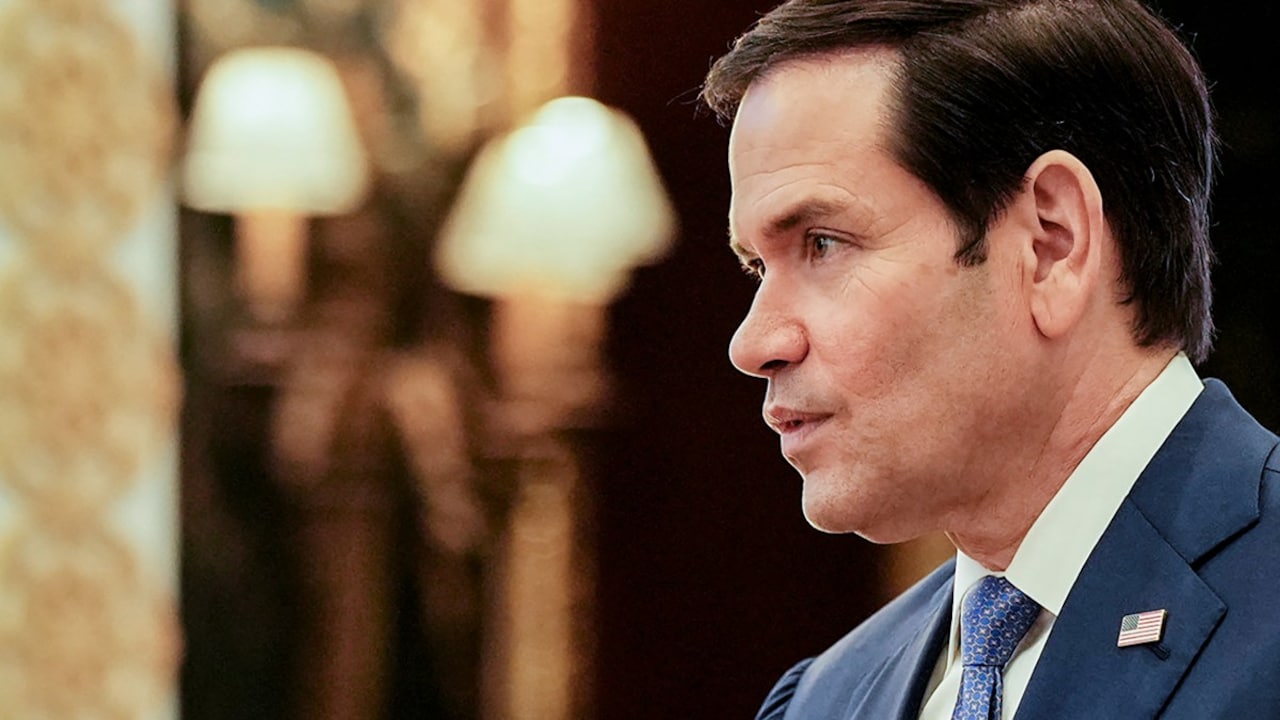
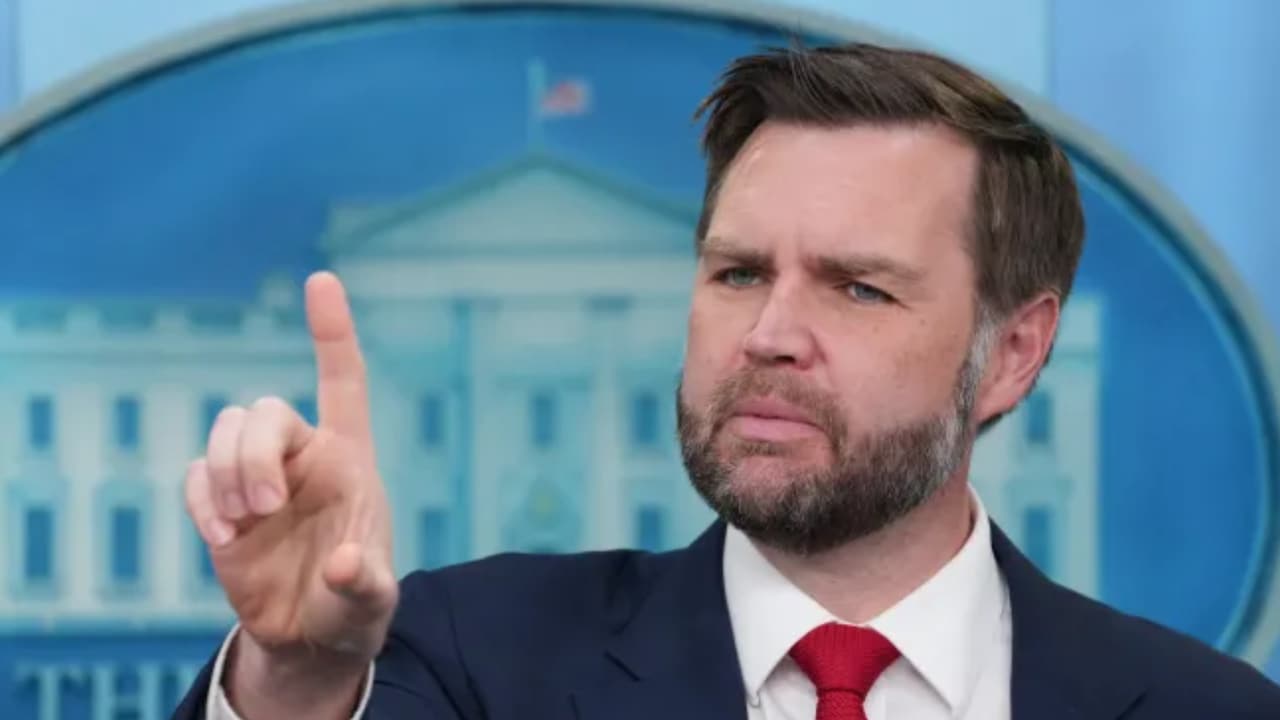
Imagine showing up to your new job, taking the oath of office, and getting fired by the President of the United States before you even finish your first cup of coffee.
That is not a hypothetical. It is exactly what happened to Roger Rogoff in Seattle.
On Wednesday morning, federal judges in the Western District of Washington swore in Rogoff, a highly respected former state judge and federal prosecutor, as their pick for U.S. attorney. He took the oath at 7:40 a.m.. By 8:34 a.m.—just 54 minutes later—he received an email from the Trump administration telling him he was terminated.
He did not even make it out of the courthouse lobby.
This lightning-fast firing is not just a bizarre piece of political theater. It is the latest escalation in a bitter, systemic war between the Trump administration and the federal judiciary over who actually controls the chief law enforcement offices in America's federal districts.
The Loophole at the Center of the Fight
To understand how we got here, you have to look at federal law. Specifically, a statute known as 28 U.S.C. § 546.
Normally, the president nominates a U.S. attorney, and the Senate confirms them. But what happens if a position sits vacant for a long time?
Under Section 546, the Attorney General can appoint an interim U.S. attorney for up to 120 days. If those 120 days run out and the president still has not sent a nominee to the Senate, the law gives local federal district court judges the power to appoint a temporary U.S. attorney to keep the office running until a permanent, Senate-confirmed successor takes over.
The judges in Seattle saw a vacancy that had lingered for far too long. The last Senate-confirmed U.S. attorney for the Western District of Washington, Nick Brown, resigned back in June 2023.
Rather than put forward a nominee for the Senate to vet, the Trump administration chose a different path. They installed Charles Neil Floyd, a tough-minded former immigration judge, as interim U.S. attorney in October 2025.
But Floyd's 120-day interim clock ran out. Instead of formally nominating Floyd—who faced fierce opposition from Washington Senator Patty Murray—the administration demoted him on paper to "first assistant U.S. attorney". This was a clever bureaucratic sidestep designed to let Floyd keep running the office without ever facing a Senate confirmation hearing.
Fed up with the workaround, the district's 17 federal judges decided to use their statutory power. In January 2026, they announced they would find their own temporary replacement. They picked Rogoff.
And the White House shut it down instantly.
This is a Repeated Strategy, Not an Isolated Event
If this feels like deja vu, it is because we have seen this movie before. The Trump administration has repeatedly clashed with local courts using this exact blueprint.
In February 2026, a panel of federal judges in Albany, New York, grew tired of a similar situation. They appointed former prosecutor Donald T. Kinsella to lead the Northern District of New York. The Justice Department fired Kinsella within hours.
At the time, Deputy Attorney General Todd Blanche posted a blunt message on X:
"Judges don't pick U.S. Attorneys, @POTUS does. See Article II of our Constitution."
Following Rogoff's firing on Wednesday, Blanche doubled down, writing that the Seattle judges had "abandoned" the traditional process of consulting with the administration. The administration's stance is simple: Article II gives the president ultimate executive authority, which includes the power to fire any U.S. attorney at will, regardless of who appointed them.
Why this Firing is Different
While Kinsella and others packed their bags and walked away, Rogoff is not planning to go quietly.
"We are working on legal action right now," Rogoff said shortly after receiving the termination text.
He has already started building a legal team to challenge the firing in court. This sets up a massive constitutional showdown.
On one side, you have the executive branch claiming absolute authority under Article II to fire any federal prosecutor. On the other, you have the judicial branch pointing to a clear federal statute passed by Congress to prevent the executive branch from bypasssing the Senate confirmation process indefinitely.
If Rogoff's lawsuit moves forward, it will force the federal court system to rule on whether the president's removal power overrides a statutory mechanism designed to preserve the integrity of local districts.
What Happens Next in the Washington Federal Courts
The immediate future of the Western District of Washington is incredibly murky.
With Rogoff fired and the judges' appointment rejected, it is unclear who legally commands the office. Floyd remains in the building as the "first assistant," effectively acting as the boss, but his legal authority is bound to face intense scrutiny from defense attorneys handling active federal cases.
If you are a defense lawyer with an active case in Seattle, your first move should be to watch this litigation closely. Any indictments, plea deals, or major prosecutorial decisions signed off by an unconfirmed, acting official whose leadership is actively disputed by the district's own judges could face serious legal challenges. Expect a wave of defense motions questioning whether the office's current leadership even has the constitutional authority to prosecute cases.
The administrative tug-of-war is officially over. The courtroom battle is about to begin.