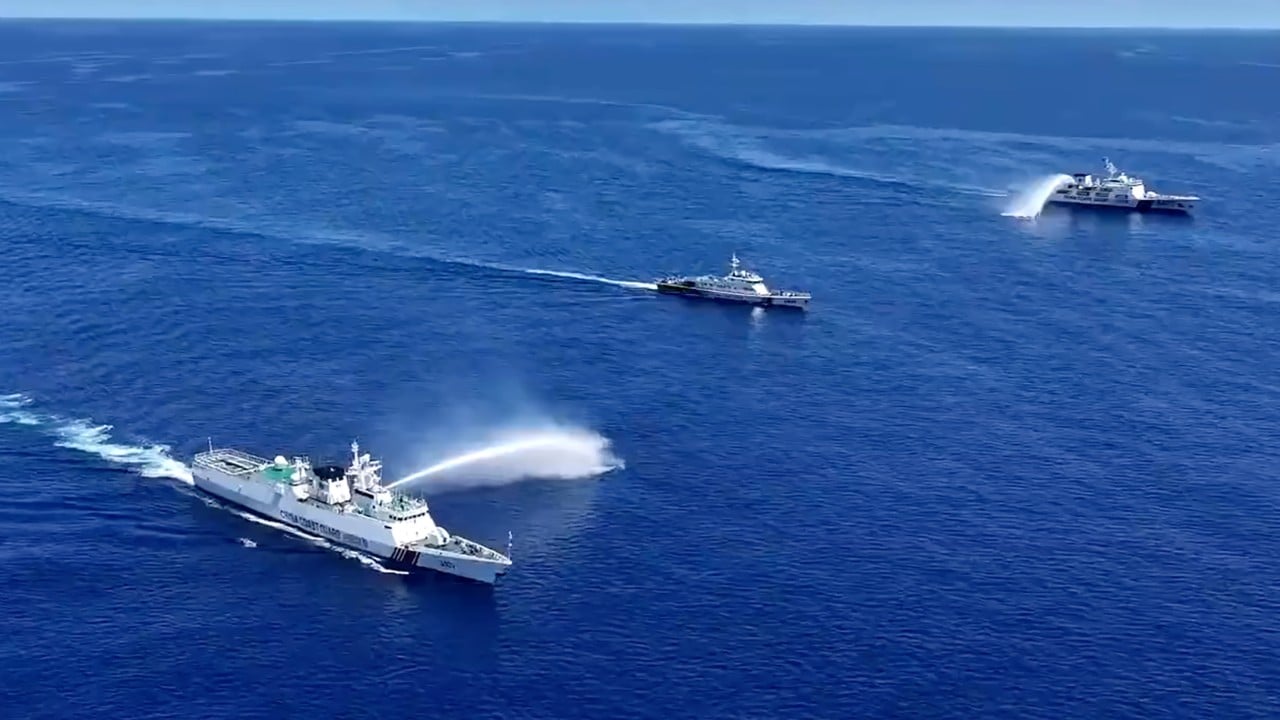
Every time a creaking Soviet-era Russian surveillance vessel drifts past the English Channel, the British press loses its collective mind. Helicopters scramble. Frigates cast off from Portsmouth. Fleet headquarters issues breathless press releases about the Royal Navy tracking foreign warships through domestic waters, complete with dramatic footage of grey hulls cutting through grey waves.
The public eats it up. It feels like defense. It looks like deterrence.
It is actually an expensive theater production.
I have spent years watching defense budgets get eaten alive by administrative panic and political posturing, and this routine stands out as the ultimate bureaucratic security blanket. We are burning millions of pounds of fuel, wearing out propulsion systems on Type 23 frigates, and burning through the man-hours of exhausted sailors to escort a floating museum piece that is probably struggling to keep its own diesel generators running.
The lazy consensus in the media is that these incidents represent active hostile incursions, close-call standoffs, and vital assertions of British sovereignty. The reality is far more mundane, and far more indictment-worthy of modern naval strategy. We are not deterring a threat. We are babysitting a rust bucket because the optics of doing nothing terrify politicians more than the cost of doing something useless.
The Geography of International Waters
To understand why this three-day tracking exercise is mostly hot air, you have to look at the actual geography of maritime law and naval architecture. The English Channel and the North Sea are some of the busiest commercial shipping lanes on earth. Under the United Nations Convention on the Law of the Sea, foreign military vessels possess the right of innocent passage through territorial waters, provided they are not engaging in hostile acts, launching aircraft, or gathering intelligence that violates the security of the coastal state.
Cruising through a strait used for international navigation does not require permission. It requires transit.
When a Russian intelligence collection ship or corvette steams down the coast, it is usually operating entirely within its legal rights under international maritime law. When the Royal Navy assigns a warship to shadow them step-for-step, port-to-port, it is not stopping an invasion. It is performing a high-visibility escort service.
The military justification usually given is that these ships are mapping critical subsea infrastructure, like internet cables and gas pipelines. This threat is real, but a surface ship dragging an old-fashioned acoustic array or running a radar profile is not the primary danger. Modern subsea espionage is conducted quietly by specialized intelligence submarines and deep-diving research submersibles that surface warships couldn't spot if they tried. Pinning our hopes on a surface frigate flashing its lights at a passing trawler-turned-spy-ship is like stationing a police officer outside a bank while a digital hacker drains the accounts from three continents away.
The Cost of Operational Theater
Every time a major surface combatant is pulled off routine readiness training or anti-submarine patrols to trail a Russian auxiliary vessel for seventy-two hours, the operational ledger takes a hit.
Naval hulls have finite operational lifespans measured in engine hours and hull fatigue cycles. When you waste those hours on low-threat escort duties, you are robbing Peter to pay Paul. You are pulling trained engineering and combat crews away from high-end tactical integration exercises, carrier strike group workups, and actual war-fighting readiness.
I have spoken with officers who spent their Christmas holidays steaming at ten knots behind a Russian tugboat that broke down twice a day. The morale drain is palpable. Sailors join the navy to master complex warfighting systems, practice high-tempo maneuvers, and maintain tactical edge. They do not join to act as expensive marine traffic wardens for a floating radar station that is broadcasting its location on open-access civilian tracking apps anyway.
The defense establishment loves these events because they provide quantifiable metrics of activity for annual reports. We tracked thirty-five vessels this year! We launched forty helicopter sorties! It looks busy. It justifies budgets. But activity is not effectiveness.
What Real Deterrence Looks Like
If you want to deter foreign intelligence gathering in your backyard, you do not deploy a multi-million-pound surface warship to wave flags within sight of their bridge. You make presence efficient and strategic, not reactionary.
Real deterrence is integrated, multi-domain, and largely invisible. It relies on maritime patrol aircraft like the P-8 Poseidon operating from land bases, persistent satellite tracking, and networked autonomous undersea sensors that monitor choke points without requiring a 4,500-tonne floating target to babysit every movement.
When surface ships are used, they should be deployed with purpose—conducting targeted exercises with NATO allies, refining integrated air defense, or hunting actual submarines in the North Atlantic. Treating every transit through the Dover Strait as an existential crisis forces our hand, dictating our operational tempo based on the whims of a rival navy's scheduling department. They send an old ship south; we panic and deploy a destroyer. Who is really setting the tempo here?
We need to stop treating routine maritime transits as dramatic showdowns worthy of prime-time news specials. Let the coast guard monitor commercial traffic. Let automated sensors handle the tracking. Keep the fleet where it matters, training for the high-end fights we might actually have to win, rather than wasting fuel on a daily cruise down the English Channel.