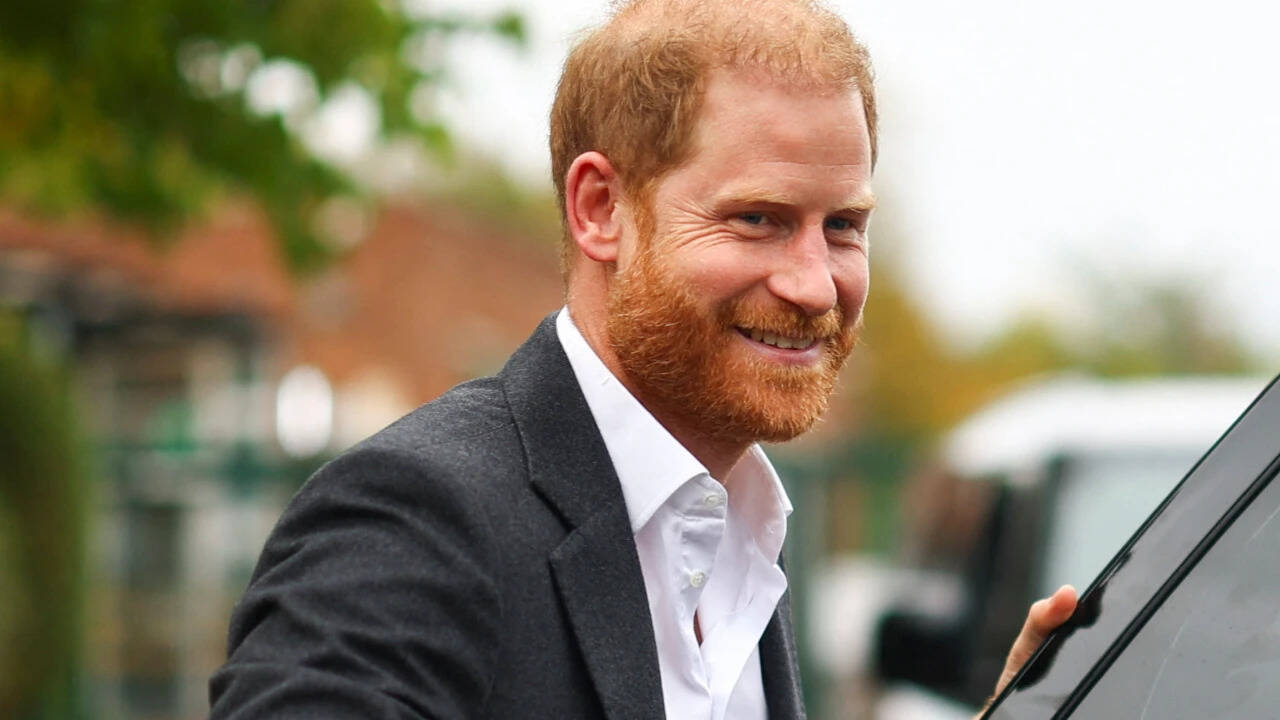
Tom Cruise can hang off a moving biplane, sprint across three city blocks on camera, and hold a room of millions with a single toothy grin. That makes him an astonishing movie star. It doesn't automatically make him our greatest actor.
People confuse magnetism with chameleonic range all the time. When you watch Tom Cruise on screen, you're usually watching Tom Cruise—intense, earnest, driven, hyper-focused—navigating different costumes and stakes. Honestly, that's a superpower at the box office. You buy a ticket to see him will a mission into existence, not to disappear into an unrecognizable skin the way Daniel Day-Lewis or Gary Oldman routinely does.
Let's be fair about what he actually accomplishes and where the ceiling sits. Across decades of work, Cruise has earned competitive Academy Award nominations for Born on the Fourth of July (Best Actor), Jerry Maguire (Best Actor), and Magnolia (Best Supporting Actor), plus a Best Picture nod as a producer on Top Gun: Maverick and an Academy Honorary Award in 2026. That resume isn't a joke. Still, when movie lovers argue over who holds the crown as the greatest actor of his generation, Cruise's name usually runs into a very real debate over versatility, internal transformation, and career choices.
Movie Star Versus Great Actor Is Not a Trash Talk Distinction
Calling someone a movie star instead of a greatest-of-all-time actor isn't an insult. In Hollywood history, the two jobs require different muscles.
A movie star draws audiences before anyone knows the director, the plot twist, or the supporting cast. Cruise has done that longer than almost anyone working today, turning franchises like Mission: Impossible and legacy sequels like Top Gun: Maverick into theatrical events. He treats cinema as a physical and logistical promise to the paying crowd. When he commits to a stunt or a grueling shoot, you feel the sheer grit behind the lens.
A great actor, by contrast, often thrives on disappearing. Think about how actors like Cate Blanchett, Meryl Streep, Denzel Washington, or Christian Bale alter posture, voice, rhythm, and moral contradiction from film to film. With Cruise, the core engine feels remarkably consistent. Even when he's playing a smooth sports agent, a traumatized veteran, a cold-blooded hitman in Collateral, or a foul-mouthed studio boss in Tropic Thunder, there's a recognizable kinetic snap—a tight-jawed determination—that carries across his filmography.
A great movie star pulls the audience into his orbit. A great actor vanishes inside someone else's life.
That distinction explains why arguments over his standing get so heated. Fans point to his peaks and cry foul whenever critics treat him like "just" an action hero. Skeptics look at the whole body of work and notice how often Tom Cruise's recognizable presence anchors the frame.
Where Tom Cruise Proves Serious Dramatic Chops
Write Cruise off as a one-note adrenaline junkie and you're ignoring some of the sharpest dramatic work of the last forty years. When he pairs with uncompromising directors and doesn't protect a shiny heroic image, he can be electric.
Look at three clear examples where he pushed past crowd-pleasing comfort:
- Born on the Fourth of July (1989): Working with Oliver Stone as Ron Kovic, Cruise strips away cocky charm and plays anger, physical devastation, and disillusionment raw. You see real desperation rather than movie-poster bravado.
- Magnolia (1999): As Frank T.J. Mackey, Paul Thomas Anderson gives him a character built on bluster and wounded masculinity. His bedside scenes are jagged, uncomfortable, and heartbreaking—arguably his single finest stretch of pure acting.
- Collateral (2004) and Tropic Thunder (2008): In Michael Mann's Collateral, silver-haired hitman Vincent shows how icy and observant Cruise can be when he ditches heroism. Four years later in Tropic Thunder, his cameo as Les Grossman proved he has killer comedic timing and zero fear of looking ridiculous when the gag earns it.
There's also a twist that trips up casual observers. Sometimes a performer's sheer star power creates a visibility paradox: the more famous and recognizable you become, the harder it is for viewers to forget who's under the character. Cruise has lived inside that paradox for decades.
Why His Filmography Skews Toward Spectacle Over Range
If you want to know why many cinephiles place him just outside the top tier of pure actors, look at how he curates his time. For long stretches, Cruise has poured years of his life into massive tentpoles, stunts, and tightly controlled blockbusters rather than hopping between small, risky character studies.
That's not laziness. It's a deliberate allocation of energy. Mastering aviation, motorcycle stunts, or multi-year franchise productions eats up calendar years that other actors spend shooting indie dramas or stage plays. Meanwhile, award season tends to reward transformation, quiet domestic pain, or high-wire dramatic monologues—territory Cruise visits occasionally rather than making his home base.
You can also see how awards history shapes public memory. Having zero competitive Oscar wins despite four nominations (three for acting, one for producing) before receiving an Honorary Award in 2026 fuels both camps. His supporters see overdue recognition for a titan; his detractors see proof that voters admired his career impact more than individual acting triumphs.
How to Judge Greatness Without Falling for Hype
Next time you catch yourself debating whether Tom Cruise is the greatest actor alive, try separating three separate questions instead of lumping them into one verdict:
- Does he command the screen? Yes—almost nobody does it more reliably or for longer.
- Does he disappear into wildly different human beings? Sometimes, in flashes, though less consistently than top character chameleons.
- What kind of movie are you actually in the mood to watch? If you want breathless theatrical craft and sheer willpower, queue up Mission: Impossible – Fallout or Top Gun: Maverick. If you want a reminder of his dramatic ceiling, put on Magnolia or Born on the Fourth of July—and compare them side by side with a performance built on total reinvention. You'll see the exact line where movie star ends and great actor begins.
Is Tom Cruise Actually a Good Actor?
This video breaks down the ongoing debate over whether Tom Cruise's acting range matches his massive status as a blockbuster movie star.