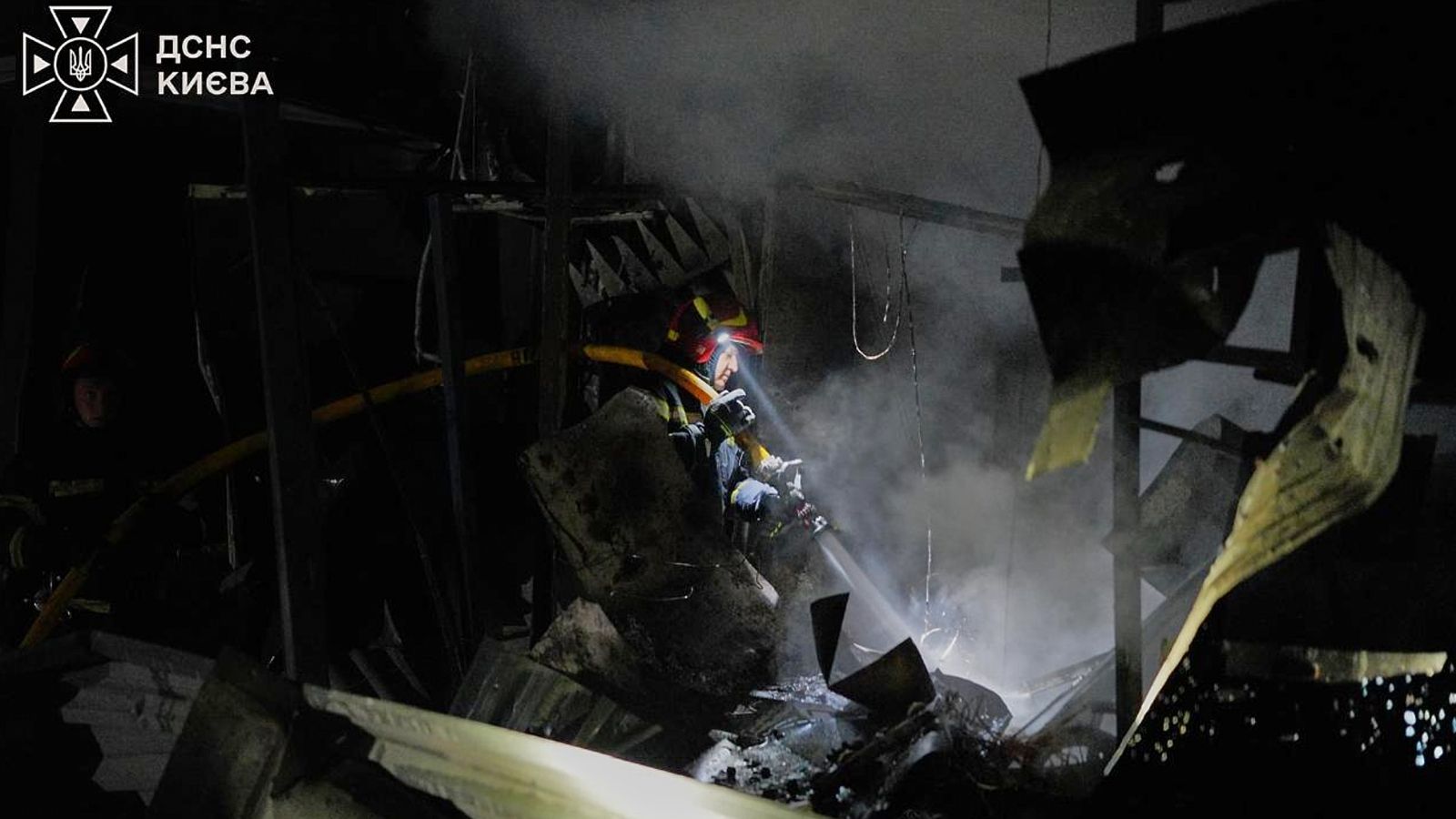
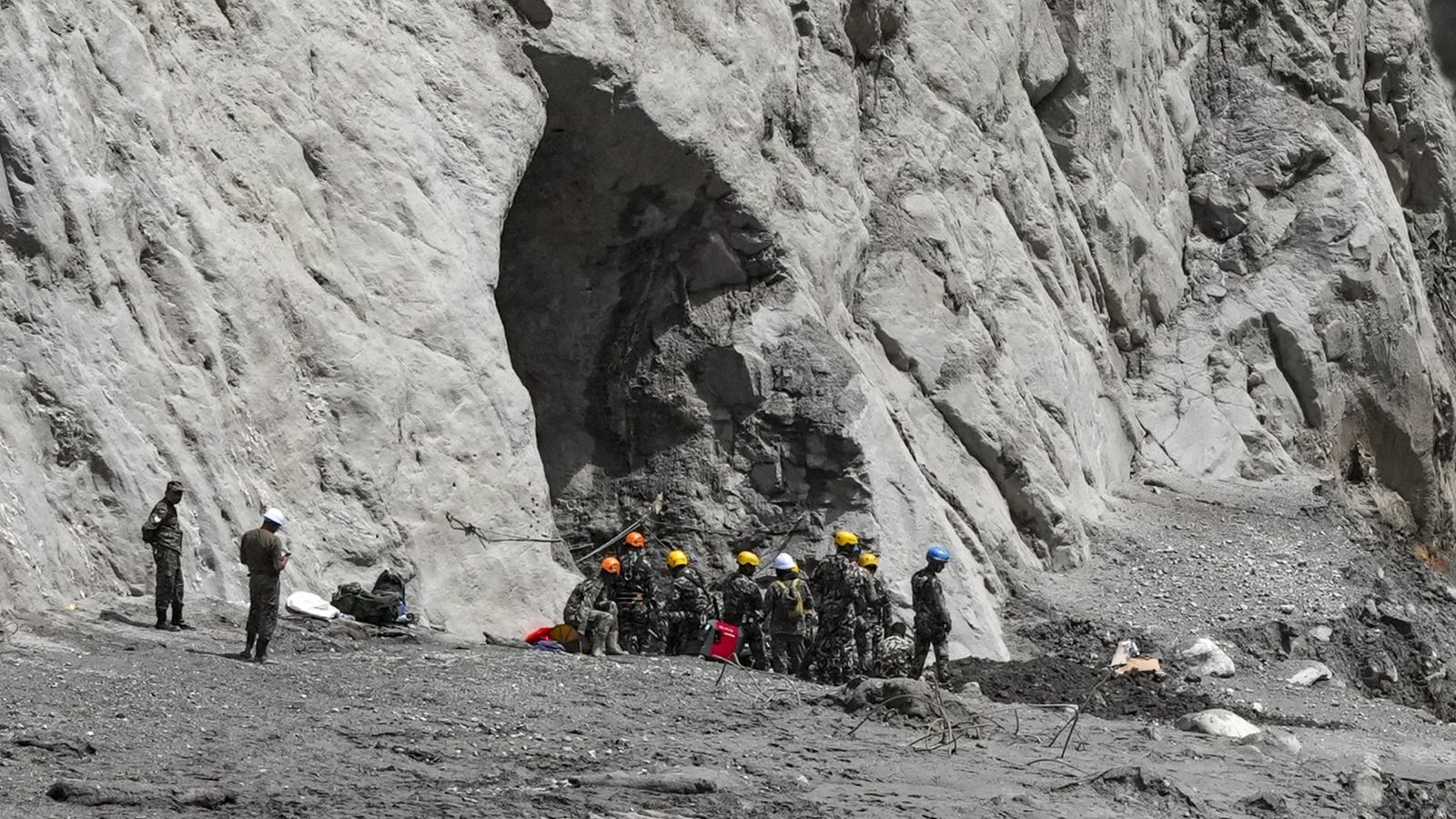
Rescue teams battling the aftermath of a catastrophic glacier collapse in the Himalayas face a brutal reality. Heavy machinery teeters on shattered asphalt edges while muddy torrents rush past at six times normal speeds. Days after disaster struck the Gyirong border crossing between Tibet and Nepal, recovery efforts are moving at a punishingly slow crawl.
When a mountain pass turns into a vertical death trap, standard disaster response playbooks fail entirely. You cannot simply roll in a convoy of trucks when the highway itself has dissolved into a raging gorge.
The Brutal Geography of the Gyirong Valley
Access to the border port relies on National Highway G216, a vital mountain artery running along the Gyirong Tsangpo river. When a massive glacier collapse sent an avalanche of ice, rock, and debris tearing through river systems, it triggered a backflow that completely gutted the road.
The terrain makes every single metre gained a victory. Rescuers operate in a narrow mountain gorge squeezed between crumbling cliffs and water moving at 6 to 7 metres per second.
State-owned operator China Anneng deployed 158 personnel alongside 33 heavy equipment units, working around the clock under a rotation system where crews switch out while machines keep running. Yet, excavators are routinely left with zero solid ground beneath their tracks. They cling desperately to highway bends that simply vanish into the rapids.
Surviving the Threat of Secondary Disasters
Clearing debris is only half the battle. The primary danger preventing rapid extraction and repair work is the constant threat of upstream instability.
The initial glacier collapse left a massive crater estimated to hold water equal to hundreds of Olympic swimming pools. While parts of these barrier lakes have drained naturally, authorities remain terrified of a fresh collapse triggering another destructive surge.
Water resources officials note that these debris dams are structurally loose. Prolonged saturation from ongoing rain and relentless water erosion mean they can fail without warning. Heavy weather forecasts continually threaten to swell the rivers further, forcing emergency teams to balance the urgent need for survivor recovery against the immediate risk of personnel being wiped out by secondary floods.
The Human Toll and the Search for Answers
Behind the engineering challenges lie staggering casualty figures and a desperate search for the missing. Official counts place the death toll at 16 on the Chinese side, with hundreds still unaccounted for, including dozens of foreign nationals who were travelling or working in the remote region.
Specialised teams have trekked deep into the zone on foot, using drones and life-detection gear to comb through muck and debris fields where cliff-side scars reach up to 60 metres high. Power crews race parallel to the road teams, trying to restore electricity lines to a valley cut off from the outside world.
Reopening the sole artery to Nepal is expected to take continuous, grinding effort as long as the weather holds and the unstable slopes refuse to settle. Check local disaster response updates if you have personnel or travel itineraries linked to the Himalayan border regions, and prepare for prolonged transit closures across the G216 corridor.