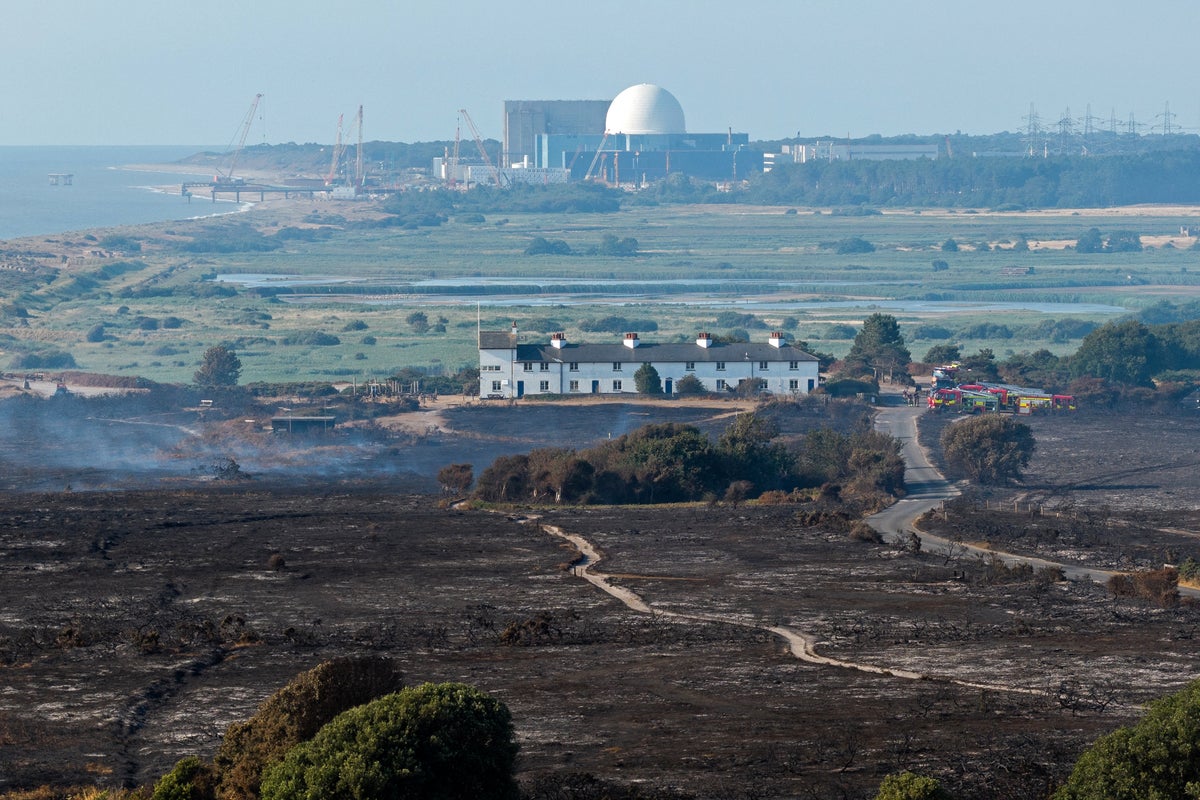
Europe faces a severe structural friction between its decarbonization targets and the thermodynamic realities of thermal power generation. As climate anomalies intensify, ambient air and river water temperatures rise, creating a severe operational bottleneck for nuclear facilities. This analysis deconstructs the physical, economic, and systemic vulnerabilities of heavy reliance on nuclear baseload energy under conditions of severe environmental stress.
The Thermodynamic Bottleneck
Nuclear reactors operate on the Rankine thermodynamic cycle, converting thermal energy derived from nuclear fission into mechanical work via steam turbines, which then drive electrical generators. The efficiency of this energy conversion is governed by the Carnot efficiency principle, which dictates that work output is a function of the temperature differential between the heat source (the reactor core) and the heat sink (the cooling water source, typically a river, lake, or ocean).
$$\eta = 1 - \frac{T_C}{T_H}$$
When ambient water temperatures rise during prolonged heatwaves, the temperature of the heat sink ($T_C$) increases. This compression of the temperature differential degrades thermal efficiency. More critically, environmental regulatory frameworks impose strict upper limits on the temperature of water discharged back into natural waterways to prevent ecological collapse, such as fish kills and severe algae blooms.
When river temperatures breach regulatory thresholds, operators face two operational constraints:
- Power derating: Reducing reactor output to lower thermal discharge volumes.
- Complete shutdown: Halting fission operations entirely when cooling water availability drops below critical mass flow rates.
This creates a paradox: during extreme summer heatwaves, regional electricity demand spikes due to cooling loads, precisely when thermal generation assets experience capacity degradation.
The Hydrological Vulnerability Matrix
The European nuclear fleet relies heavily on once-through cooling systems drawing from major river basins, including the Rhône, Garonne, and Loire in France, as well as transboundary river networks in Central Europe. These river systems are subject to seasonal hydrological variability compounded by diminishing glacial melt and erratic precipitation patterns.
Low precipitation combined with high evaporation rates during drought cycles reduces volumetric river discharge. When flow rates drop, the thermal capacity of the river—its ability to absorb heat without exceeding safe ecological limits—decreases proportionally.
[Low Precipitation / Drought]
       │
       ▼
[Reduced River Flow Rates]
       │
       ▼
[Elevated Ambient Water Temperature]
       │
       ▼
[Regulatory Discharge Thresholds Breached]
       │
       ▼
[Forced Power Derating or Reactor Shutdown]
This hydrological vulnerability is not distributed evenly. Coastal plants utilizing marine cooling loops exhibit higher resilience to ambient atmospheric anomalies due to the massive thermal inertia of oceans. Inland facilities situated on constrained river basins absorb the primary shock of continental drought cycles.
Economic Externalities and Systemic Costs
The economic impact of climate-induced thermal constraints extends beyond lost megawatt-hours. Nuclear power plants are capital-intensive assets designed for high capacity factors to amortize massive upfront construction and financing costs. Operating these assets intermittently destroys the unit economics of baseload generation.
When a multi-gigawatt nuclear facility derates by fifty percent or undergoes an unscheduled outage during peak demand periods:
- Spot market price volatility escalates rapidly as marginal fossil-fuel or peaking assets must be dispatched to cover the supply deficit.
- Baseload reliability metrics deteriorate, forcing grid operators to procure expensive ancillary services and reserve margins.
- Long-term capital allocation strategies for nuclear lifetime extensions or new build programs face elevated risk premiums, as investors price in climate-induced regulatory and operational curtailments.
The cost function of nuclear energy must therefore incorporate hydrological risk premiums. Traditional levelized cost of electricity calculations that assume constant, uninterrupted water availability fail to account for the stochastic nature of extreme weather events.
Systemic Adaptation Strategies and Limitations
Grid planners and nuclear operators deploy various engineering and administrative interventions to mitigate thermal vulnerability, each carrying distinct trade-offs.
Closed-loop cooling towers decouple plants from direct river flow constraints by evaporating water to dissipate heat into the atmosphere. However, retrofitting existing once-through facilities with cooling towers requires significant capital expenditure, physical footprint, and introduces water consumption vulnerabilities, as the plant now depends on steady consumptive water rights rather than flow-through rights.
Advanced coolant management, including upstream reservoir releases managed cooperatively with agricultural and municipal stakeholders, can artificially sustain minimum river flows during critical drought windows. This introduces complex multi-sector resource competition, pitting energy security against agricultural irrigation needs.
Regulatory waivers allowing temporary exceedances of thermal discharge limits represent a short-term administrative fix. Relying on ecological derogations compromises environmental mandates and exposes operators to legal challenges from conservation groups, creating regulatory uncertainty.
The structural limitation remains absolute: thermodynamics and hydrology cannot be negotiated through policy. Capital allocation must pivot toward localized energy diversification, aggressive transmission interconnections between marine-cooled and inland assets, and storage deployment designed to absorb localized, predictable thermal derating events without destabilizing regional grid frequency.