Lucy Albright and Stephen DeMarco are finally done. Or are they? If you watched the Tell Me Lies Season 2 finale, you know that "done" is a relative term in the twisted world Meaghan Oppenheimer created. The onscreen toxicity between Grace Van Patten and Jackson White reached a fever pitch this season, leaving fans wondering how a relationship this destructive can be so addictive to watch. It isn't just about a breakup. It's about the slow-motion train wreck of two people who bring out the absolute worst in each other while convinced they’re the only ones who truly "get" it.
The show has always been a masterclass in gaslighting. Season 2 took that foundation and built a skyscraper of manipulation on top of it. We saw Stephen move on to Diana, then Lydia, all while keeping Lucy in a psychological chokehold. It’s exhausting. It’s brutal. Honestly, it’s exactly why the show works.
Why the Stephen and Lucy Dynamic Hits So Hard
Most TV dramas give you a hero to root for. Tell Me Lies doesn't do that. Lucy isn't a saint. She’s impulsive, often selfish, and her obsession with Stephen frequently blinds her to the collateral damage she causes her friends. But that’s the point. Real-life toxic dynamics aren't usually a "villain vs. victim" scenario; they’re often two people trapped in a feedback loop of trauma and ego.
Stephen DeMarco is the ultimate onscreen predator. He doesn't use physical force. He uses information. He uses your own insecurities against you until you don’t know which way is up. Jackson White plays him with a chilling, dead-eyed calculation that makes you want to reach through the screen and shake Lucy. When they finally "end" things in the 2008 timeline, it doesn't feel like a victory. It feels like a temporary truce in a war that we already know continues well into the 2015 wedding timeline.
The Lydia Twist and the 2015 Fallout
The biggest gut-punch this season wasn't even about Stephen and Lucy directly. It was the reveal of how Stephen ended up with Lydia, Lucy’s best friend from home. This is where the show elevates from a college drama to a genuine psychological thriller.
Betrayal is the currency of this show. Seeing Stephen successfully infiltrate Lucy's "safe" life back home proves that he isn't just a bad boyfriend. He’s a virus. He finds the weakest point in Lucy’s support system and breaks it. By the time we get to the 2015 wedding scenes, the tension isn't about whether they’ll get back together. It's about how much of Lucy’s soul is left after years of this proximity.
The Problem With Closure
We keep waiting for Lucy to have a "girl boss" moment where she finally tells Stephen off and never looks back. But the show refuses to give us that easy out. It’s more honest about how these things actually work. Closure is a myth. In reality, people like Stephen don't just go away. They linger. They show up at weddings. They date your friends.
The finale hammered home that even when they aren't "together," they are linked. Every choice Lucy makes is still, in some way, a reaction to Stephen. That’s the most tragic part of the onscreen relationship. He owns her headspace long after he’s out of her bed.
Breaking Down the Performance Chemistry
You can't talk about this show without mentioning the lightning-in-a-bottle chemistry between Grace Van Patten and Jackson White. It's a weird thing to say about a "toxic" couple, but their energy is undeniable. It's why the audience stays invested.
If there was no spark, we’d just call Lucy "dumb" and turn off the TV. But Van Patten plays Lucy with such a raw, vibrating nerves-on-the-surface quality that you feel her desperation. You understand why she goes back, even when you hate her for it. White, on the other hand, manages to make Stephen's rare moments of "vulnerability" feel just real enough to be dangerous. It's a high-wire act of acting that keeps the show from becoming a caricature of a soap opera.
What This Means for Season 3 and Beyond
Hulu hasn't officially greenlit Season 3 yet, but the cliffhangers left a massive trail of breadcrumbs. We still need to see the bridge between the 2008 breakup and the 2015 engagement. How does Stephen convince Lydia to betray her lifelong friend? How does Lucy end up with Max while still clearly being haunted by Stephen?
The show has plenty of ground left to cover. We’ve only seen the tip of the iceberg regarding the fallout of Macy’s death and the various cover-ups that hold this group together. The toxicity isn't just between the leads; it has seeped into every friendship in the circle.
If you’re looking to process that finale or prep for a rewatch, focus on the 2015 timeline clues. Watch the background of the wedding scenes again. Look at the way Stephen looks at Lucy when he thinks no one is watching. The story isn't over. It’s just shifting into a more sophisticated, and likely more damaging, gear.
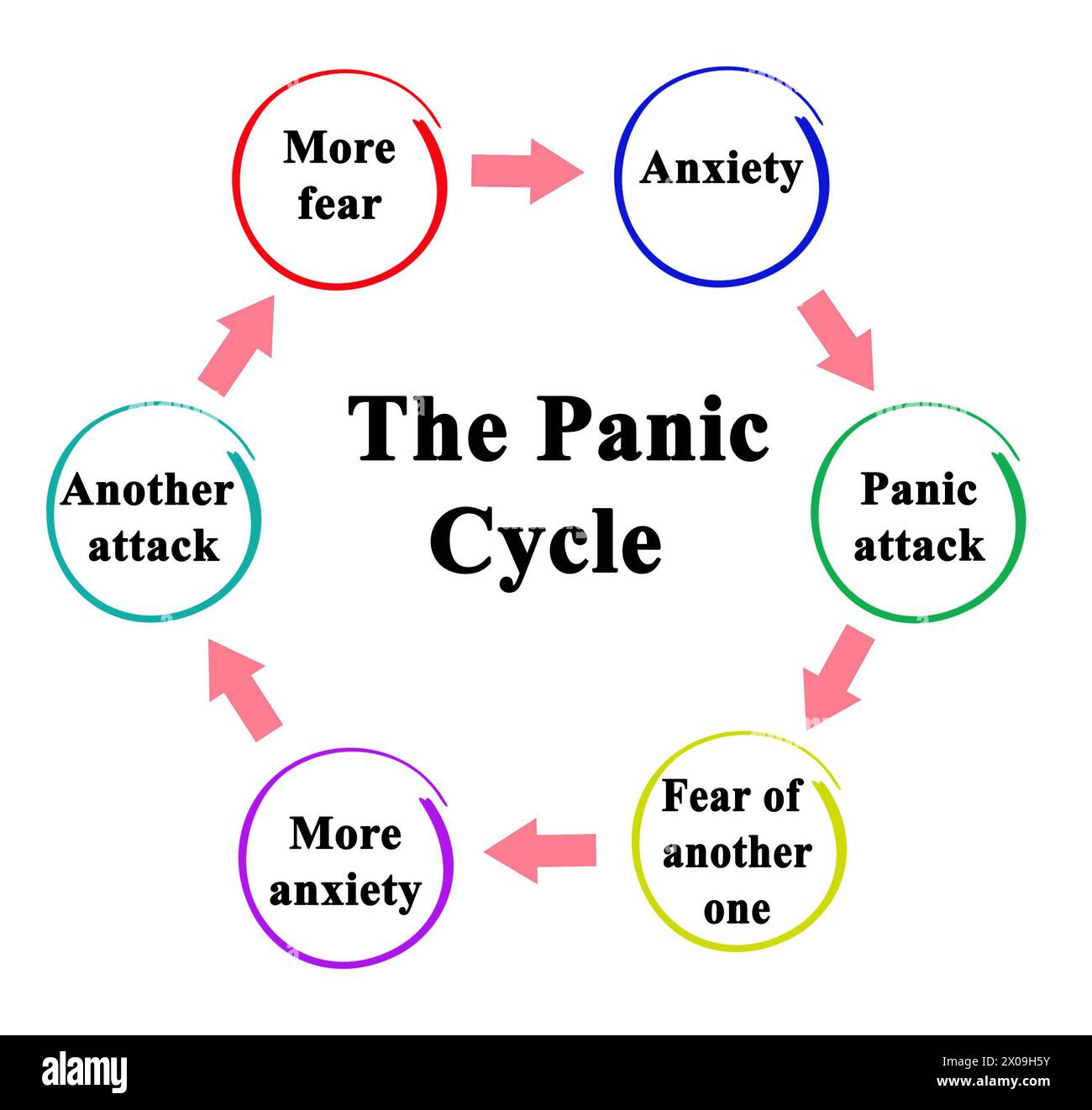
Stop looking for a happy ending in this show. It’s not coming. Instead, appreciate the brutal accuracy of how one person can dismantle another person's life over the course of a decade. Go back and watch the pilot again. See how much they’ve changed—or, more accurately, how much they haven't. The cycle is the story.