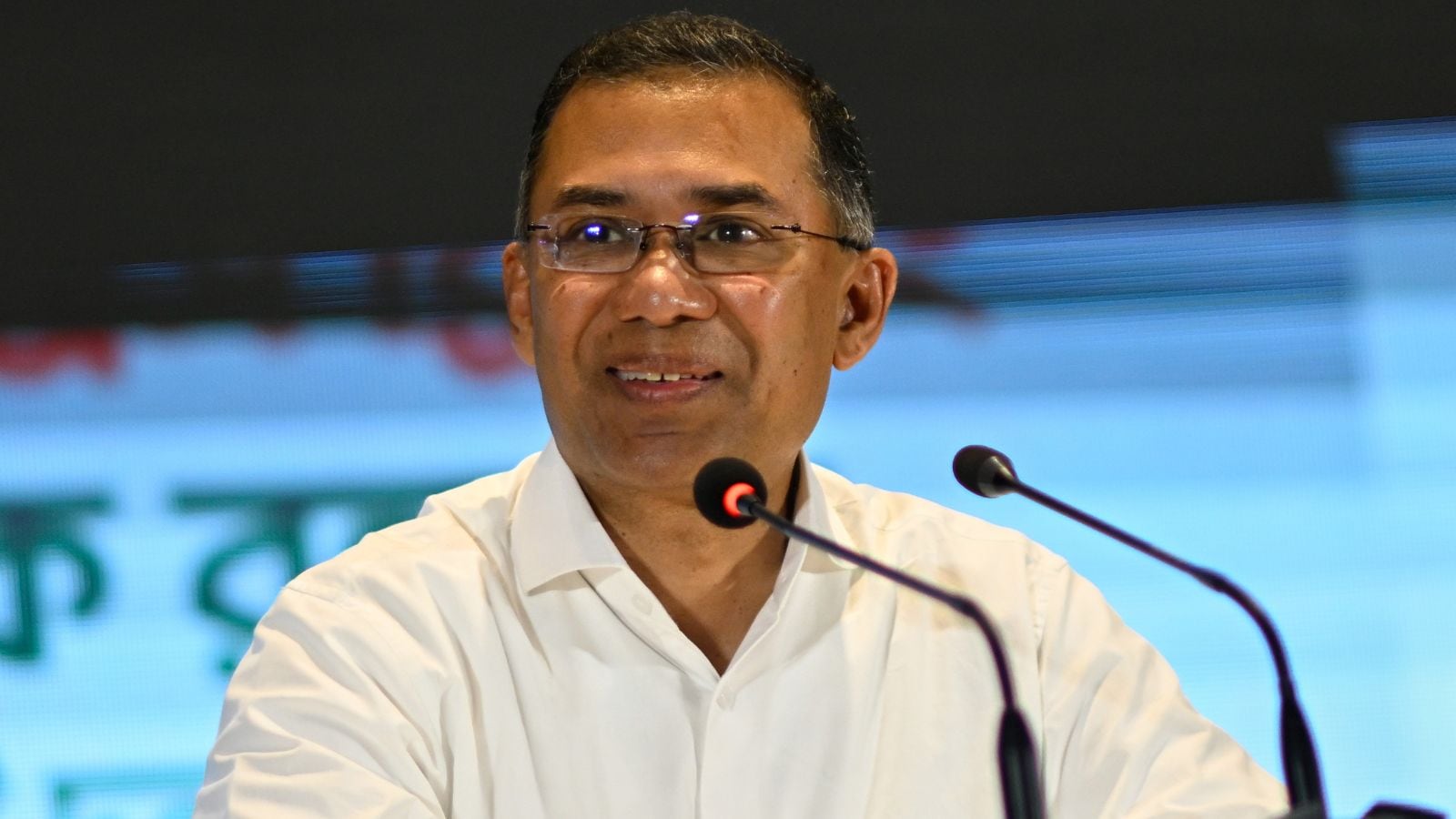
Tarique Rahman took the oath as Prime Minister of Bangladesh on February 17, 2026, marking a seismic shift in South Asian geopolitics. After 17 years of self-imposed exile in London, the 60-year-old leader of the Bangladesh Nationalist Party (BNP) returned to a nation fundamentally altered by the 2024 student-led "July Revolution." His landslide victory in the February 12 elections, where the BNP secured 209 of 297 contested seats, has effectively ended the 35-year duopoly of female leadership shared by his mother, the late Khaleda Zia, and his ousted rival, Sheikh Hasina.
The swearing-in ceremony at the South Plaza of the Jatiya Sangsad was more than a formal handoff; it was a carefully choreographed signal of "managed transition." While regional dignitaries and local power brokers filled the seats, the absence of Indian Prime Minister Narendra Modi—who sent Lok Sabha Speaker Om Birla instead—underscored the delicate, often icy, diplomatic tightrope Rahman must now walk.
The Architecture of a Managed Return
Rahman’s path from "fugitive" to "Premier" was not merely a result of the ballot box. It was the product of a systematic dismantling of the legal barriers erected during the Hasina era. For over a decade, Rahman led the BNP via video link from Kingston, London, while facing life imprisonment for the 2004 grenade attack. The acquittal of these charges in late 2024 by the interim administration, led by Nobel laureate Muhammad Yunus, provided the legal runway for his Christmas Day return in 2025.
The speed of this transition has raised questions about the "Constitution Reform Commission." For the next 180 days, the entire Parliament is slated to function as a reform body, a move born from the February 12 referendum. This is a high-stakes experiment in "liquid democracy" where the BNP must balance its traditional conservative base against the demands of the "Gen Z" protesters who initially cleared the path to power.
A Cabinet of Unlikely Bedfellows
The new 49-member cabinet is a study in political pragmatism. In a move to co-opt the revolutionary energy of the streets, Rahman appointed prominent student leaders who rose to fame in 2024, such as Nurul Haque Nur and Zonayed Saki, to key ministerial positions.
- Nurul Haque Nur: Representing the Gono Odhikar Parishad, his inclusion is a direct nod to the youth-driven "National Citizen Party" movement.
- Technocratic Guard: Alongside these young firebrands, Rahman has retained seasoned BNP loyalists like Ariful Haque Choudhury (Expatriates' Welfare) and Asadul Habib Dulu (Disaster Management).
This "hybrid" governance model is designed to prevent a second uprising, but it risks internal paralysis if the radical reformist agenda of the students clashes with the BNP’s established patronage networks.
The Billion-Dollar Pivot to Beijing
While the swearing-in ceremony was a domestic triumph, the economic reality hitting Dhaka is grim. The BNP manifesto pledges to more than double the economy from $450 billion to $1 trillion by 2034. To achieve this, Rahman is already pivoting toward Beijing.
Just weeks before the election, the Bangladesh Air Force announced a deal for China to build a drone-manufacturing plant within the country. Rahman’s description of China as a "development friend" signals a departure from the previous administration’s nuanced hedging. If Dhaka leans too heavily into the Chinese orbit to stabilize its stagnating foreign-exchange reserves, it risks further alienating New Delhi, which remains wary of the BNP’s historical ties with Islamist factions.
The India Dilemma
The relationship with India is at a historic low. The BNP continues to demand the extradition of Sheikh Hasina, currently in India, to face a death sentence for her role in the 2024 crackdown. India’s concern over the treatment of the Hindu minority remains a focal point, highlighted by Foreign Secretary Vikram Misri’s meeting with Jamaat-e-Islami leaders on the day of the swearing-in. Rahman’s "mutual respect" rhetoric is a thin veil over a relationship that is fundamentally transactional and increasingly suspicious.
The Disinformation Frontline
The 2026 election was the world’s first "AI-shadowed" contest in a developing nation. Throughout the campaign, fabricated video clips—deepfakes of both Rahman and his opponents—flooded social media, aiming to stoke sectarian violence. The new administration faces the immediate challenge of regulating a digital space that it once used to sustain its influence from London.
Rahman’s "top-down, no tolerance" approach to corruption will be tested not in the courts, but on the servers. The BNP has promised to dismantle the "kleptocratic" image that defined its 2001–2006 tenure. However, with the Awami League banned under the Anti-Terrorism Law and the political field effectively "cleansed" of the old guard, the risk of a new mono-party system emerging under the guise of reform is substantial.
Crisis Management in the First Hour
The honeymoon period for the new government lasted less than 24 hours. By March 1, 2026, Rahman was already chairing emergency meetings at the Secretariat. Two immediate crises have defined his first days in office:
- Middle East Conflict: With the ongoing war in Iran, thousands of Bangladeshi expatriates are stranded. Foreign Minister Dr. Khalilur Rahman has been directed to coordinate emergency repatriations, a task that tests the new government's logistical capabilities and its "Bangladesh First" doctrine.
- The Seismic Threat: Following a series of tremors in February, the Prime Minister has ordered the formation of 100,000 volunteers in Dhaka. This move is a calculated attempt to show a "proactive" government, moving away from the reactive, crisis-driven governance of the past decade.
The challenge for Rahman is to prove that he is more than a "Crown Prince" returning to reclaim a throne. He inherits a nation where the median age is under 28 and the memory of the "July Revolution" is fresh. These voters are not loyal to the Zia dynasty; they are loyal to the results.
Stability in Bangladesh is no longer about controlling the streets through force—it is about managing an economy under strain and a regional map that is rapidly redrawing itself. If Rahman fails to deliver on the "180-day reform" promise, the same students who sit in his cabinet today may very well be the ones leading the march against him tomorrow. The transition is complete, but the revolution is merely on pause.