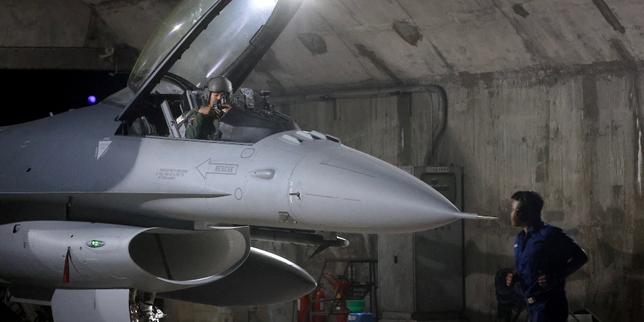
Air power in the Taiwan Strait just shifted. After years of waiting and production bottlenecks, Taiwan finally took delivery of its first batch of brand-new Lockheed Martin F-16V Block 70 fighter jets, with subsequent arrivals touching down at Chihhang Air Base in Taitung.
This isn't just another routine military purchase. It's a massive upgrade for an island that faces daily airspace incursions and mounting pressure from Beijing. The $8 billion deal for 66 new aircraft, first approved back in 2019, represents the backbone of Taiwan's strategy to modernize its defense without waiting on more expensive or politically complicated platforms like the F-35.
Inside the Upgrades That Matter
You might wonder why everyone in defense circles cares so much about an airframe that first flew decades ago. The truth is, calling this an old plane is like calling a modern computer with an M-series chip an old machine just because the plastic case looks familiar.
The Block 70 configuration packs serious punch. It features the Northrop Grumman AN/APG-83 active electronically scanned array radar. This radar gives pilots the ability to track multiple targets simultaneously in heavy electronic jamming environments, which is precisely what they'll face if things ever heat up across the strait.
Add in the Viper Shield electronic warfare suite and General Electric F110 engines pushing nearly 30,000 pounds of thrust, and you get a very different beast than the older F-16s Taiwan has relied on for years. Conformal fuel tanks mounted along the upper fuselage free up underwing stations for actual munitions instead of extra gas cans, extending both range and payload capacity.
Why Taitung Matters
Location is everything in modern defense planning. These new jets are stationed at Chihhang Air Base on Taiwan's eastern coast. Historically, eastern bases like Taitung and Hualien were built to protect air assets from initial missile strikes, leveraging Taiwan's rugged central mountain range as a natural shield.
Shifting combat aircraft to Taitung transforms the base from a legacy training hub into a frontline defense post. From the east, these fighters can respond rapidly to naval and aerial maneuvers designed to encircle the island. It complicates any potential adversary's tactical math.
The Production Reality Check
Nothing in defense procurement goes according to schedule. The initial delivery faced delays due to complex manufacturing adjustments and testing hurdles at Lockheed Martin's facilities in South Carolina. The first jets spent weeks transitioning through logistics stops like Hawaii before finally touching down on Taiwanese soil.
With a total of 66 jets ordered under the Peace Phoenix Soaring program, delivery pacing remains a critical bottleneck. Defense analysts note that keeping the production pipeline moving smoothly through the coming years will dictate how quickly Taipei can retire its aging fleet of older trainers and interceptors.
This delivery complements Taiwan's separate, successfully completed program to upgrade 140 legacy F-16A/B aircraft to the F-16V standard. Combined, these fleets give Taiwan a uniform, highly capable tactical aviation backbone.
Pilots flying these jets now have access to the Joint Helmet Mounted Cueing System II, letting them designate targets simply by looking at them. In a dogfight or a fast-paced interception, milliseconds decide who survives. Technology like this keeps Taiwan's pilots competitive in an increasingly crowded sky.
The geopolitical stakes couldn't be higher. Every new jet that lands in Taitung sends a clear signal about deterrence, capability, and the persistent resolve to maintain a defensive balance in the Indo-Pacific.
Taiwan receives the first 2 of 66 new F-16V fighter jets from the US
The video above shows actual footage of the arrival and details surrounding Taiwan's new fighter jet deliveries.