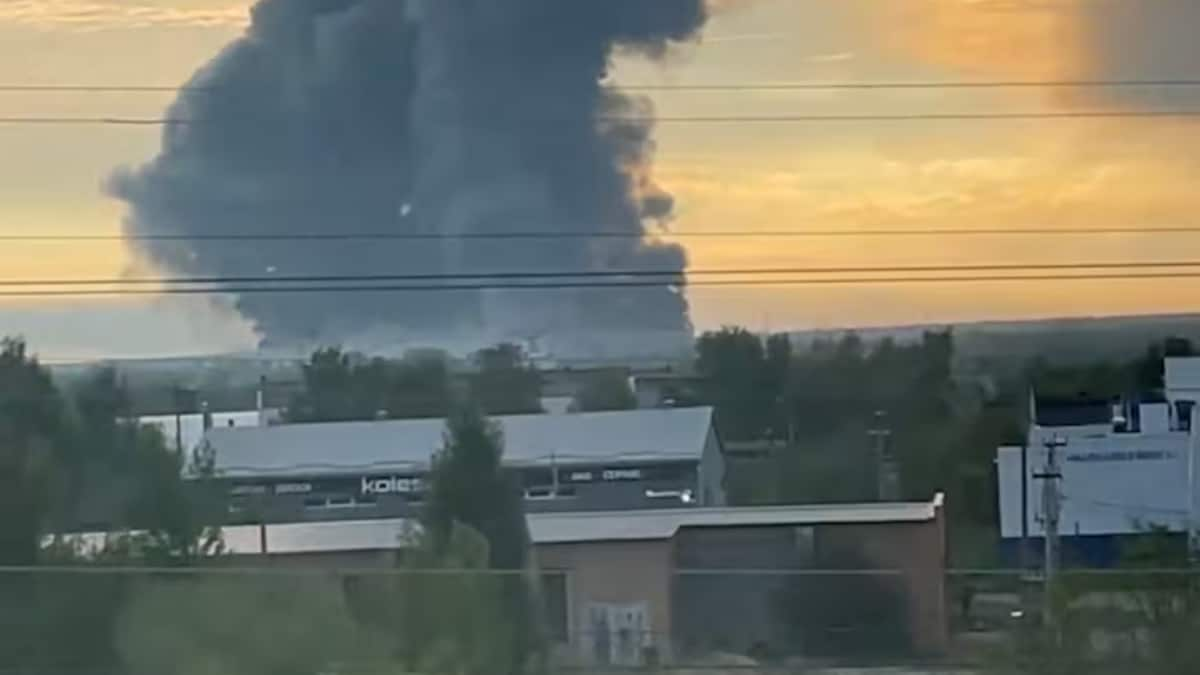
Geopolitical conflict invariably intersects with commercial supply chain infrastructure, yet the strategic implications of military strikes on localized pharmaceutical production facilities remain profoundly under-analyzed. When a drone strike impacts an Indian-owned pharmaceutical manufacturing facility operating within a conflict zone such as Ukraine, the event transcends standard wartime reporting. It represents a critical disruption node in the global pharmaceutical value chain, exposing the fragility of transnational manufacturing nodes situated in volatile regions.
To understand the macro-economic and operational fallout of such an incident, one must deconstruct the event through three analytical frameworks: asset criticality, operational risk contagion, and supply chain redundancy dynamics. This examination evaluates why foreign direct investment in manufacturing sectors within active geopolitical flashpoints faces compounding risk multipliers, and how the loss of even a single secondary manufacturing node alters regional distribution economics.
The Taxonomy of Asset Vulnerability in Conflict Zones
Foreign direct investment in emerging or transitional economies often prioritizes labor arbitrage, regulatory flexibility, or strategic geographic positioning for regional market access. However, capital allocation models frequently miscalculate physical asset vulnerability. A pharmaceutical production facility is not merely a commercial warehouse or an assembly line; it is a capital-intensive environment characterized by continuous-process manufacturing, sterile environments, and specialized regulatory validations.
When hostilities escalate into urban or industrial sectors, pharmaceutical plants inherit a distinct risk profile defined by three structural vulnerabilities:
- Inelastic Production Timelines: Unlike standard consumer goods where production can be ramped up or shifted across generic assembly lines within days, pharmaceutical manufacturing requires strict Good Manufacturing Practice compliance. Equipment relocation or recalibration involves months of regulatory validation. A physical strike on a cleanroom environment or cold-chain storage facility effectively resets the asset lifecycle to zero.
- Specialized Utility Dependencies: Pharmaceutical synthesis relies on uninterrupted power grids, specialized water treatment infrastructure, and continuous chemical supply streams. Kinetic strikes on surrounding municipal infrastructure—even if the factory building sustains minimal structural damage—create cascading operational failures.
- Cross-Border Ownership Complications: When an asset is foreign-owned—such as an Indian enterprise operating production facilities in Eastern Europe—diplomatic and jurisdictional complexities compound the recovery timeline. Insurance litigation, bilateral investment treaty enforcement, and evacuation protocols for expatriate technical staff introduce severe friction into post-incident triage.
The disruption of such a facility forces a reassessment of how multinational corporations price geopolitical risk. Traditional metrics focus exclusively on currency volatility and regulatory changes, treating physical destruction as a tail-risk event with near-zero probability. The reality on the ground demands a complete overhaul of risk-weighting algorithms.
Operational Risk Contagion and Downstream Effects
The destruction or severe operational impairment of a pharmaceutical plant generates shockwaves across three distinct vectors: local healthcare provision, regional supply continuity, and enterprise valuation.
Locally, the immediate consequence is a contraction in the domestic availability of essential formulations, particularly if the facility specialized in high-volume generics, injectables, or specialized therapies. Ukraine has historically served as an important manufacturing and distribution nexus for various pharmaceutical products supplying both domestic demand and broader regional markets. When manufacturing capacity is abruptly removed, the local healthcare system experiences a capacity deficit that cannot be immediately backfilled by imports due to transport bottlenecks, customs delays, and border congestion inherent to active conflict zones.
Regionally and globally, the contagion effect depends on the substitution elasticity of the affected products. If the facility manufactured specialized active pharmaceutical ingredients or proprietary formulations with limited alternative sources, downstream buyers face immediate procurement shocks. The loss exposes the fallacy of lean manufacturing principles applied to life-critical supply chains. Optimization strategies that eliminate inventory buffers to maximize return on capital simultaneously eliminate the shock-absorption capacity required during systemic crises.
From an enterprise perspective, the financial exposure extends far beyond the physical replacement cost of machinery and real estate. The valuation impact encompasses lost revenue streams, potential liability exposure if contractual supply obligations fail, and the long-term erosion of brand equity in target markets. Enterprises must calculate the total cost of ownership by factoring in the probability-weighted impact of asset destruction against the margins generated by locating production in high-risk jurisdictions.
Strategic Redundancy Versus Cost Efficiency
The economic tension at the heart of transnational pharmaceutical strategy is the eternal trade-off between efficiency and resilience. Building redundancy—maintaining dual-sourcing models, keeping idle manufacturing capacity in stable jurisdictions, or holding multi-month inventory buffers—incurs a permanent financial penalty. In competitive markets, firms that absorb these costs face pricing pressure from competitors utilizing centralized, high-risk, low-cost production models.
However, kinetic events in production hubs force a recalibration of this cost-benefit analysis. A robust strategic response requires moving away from reactive crisis management toward structural risk mitigation:
- Geographic Diversification of Secondary Nodes: Enterprises must decouple primary R&D and high-end synthesis from volume manufacturing facilities located in geopolitical friction points. Regional hub models must be paired with secondary contingency sites in politically neutral or alliance-aligned territories.
- Inventory Depth Optimization: For critical pharmaceutical inputs, supply chain architects must transition from just-in-time inventory paradigms to targeted strategic stockpiling, pricing the inventory holding cost as an insurance premium against catastrophic operational cessation.
- Modular Infrastructure Design: Capital expenditure models should increasingly favor modular, scalable manufacturing units that can be rapidly decommissioned, replicated, or relocated compared to monolithic, fixed-location mega-plants.
The intersection of military conflict and industrial assets highlights a permanent shift in corporate strategy. Risk is no longer an abstract matrix evaluated in boardrooms; it is a kinetic variable that directly dictates market survival. Enterprises that fail to price physical vulnerability into their capital allocation models will continue to absorb catastrophic losses when geopolitical friction translates into structural destruction. The strategic imperative moving forward is clear: capital must be structured not merely for maximum return during peacetime, but for structural continuity under conditions of systemic disruption.