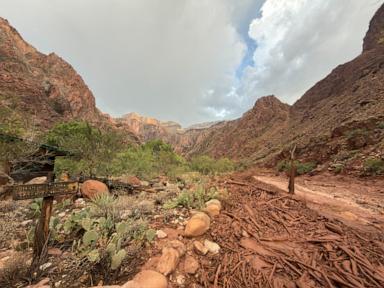
Catastrophic flash flooding along the Nepal-China border has compressed underground survival timelines for hundreds of construction and operations personnel trapped within major hydroelectric infrastructure. The disaster, centered on the Lhende-Bhote Koshi-Trishuli river system across the Rasuwa and Nuwakot districts, highlights structural vulnerabilities in subterranean engineering design and emergency egress protocols. When a wall of ice, rock, and water breaches an active mountainous watershed, underground conduits transform from power generation assets into dead-end traps.
Analyzing this crisis requires evaluating the intersection of mountainous civil engineering, hydraulic physics, and logistical response bottlenecks. Subterranean infrastructure projects in high-relief orogenic zones face unique mechanical hazards that standard disaster management frameworks fail to address.
The structural mechanics of high-altitude hydropower facilities involve complex subterranean networks, including headrace tunnels, desanding basins, and surge shafts capable of accommodating heavy machinery. When millions of metric tons of debris and liquefied mud cascade down a river system, the immediate hydrostatic and lithostatic pressure differential seals portal entries.
At sites such as the 216-megawatt Upper Trishuli-1 project and the Rasuwagadhi project, the entry portals act as collection points for high-density slurry. As liquid mud mixed with boulders flows into horizontal and inclined adits, it creates plugs that are physically impenetrable by standard earthmoving equipment without prior stabilization. The fluid dynamics of a flash flood driven by glacial lake outburst floods or extreme monsoonal precipitation push heavy sediment deep into the subterranean profile, filling cavities up to twelve feet high with compacted muck.
Survival within these sealed environments is governed by a strict physiological decay function. The primary variables determining human survivability inside a blocked hydropower tunnel are oxygen depletion rates, carbon dioxide accumulation, ambient temperature stability, and access to trapped air pockets.
Large-diameter tunnels possess a significant initial volume of atmospheric air. However, when multiple workers crowd into a confined dead end, metabolic consumption rapidly shifts the gas equilibrium. Hypoxia sets in long before complete asphyxiation if ventilation shafts are sheared or blocked by surface debris.
Subterranean rescue operations face a severe logistics constraint matrix characterized by three distinct friction coefficients:
- Topographical Isolation: Mountainous terrain restricts heavy machinery deployment, requiring the dismantling of excavators for helicopter airlift operations.
- Portal Occlusion: Dense, compacted slurry blocks access points, necessitating precision tunneling and shoring to prevent secondary collapses during excavation.
- Communication Deficits: Subsurface signal attenuation prevents reliable telemetry between surface commanders and trapped personnel, forcing rescue teams to rely on blind physical reconnaissance.
The operational response relies on multilateral technical deployments, integrating specialized tunnel engineering units from neighboring states, military aviation assets, and indigenous mountaineering guides. Rescuers utilize small-diameter core drills to pierce the crown of buried tunnels, pumping compressed oxygen and inserting fiber-optic inspection cameras to ascertain internal survivability metrics.
This tactical approach shifts the operational focus from mass clearance to localized stabilization. Where heavy loaders cannot clear the primary adit, small teams use micro-t_unneling techniques and manual shoring to bypass blockages. The integration of international disaster response teams with domestic military forces provides the specialized engineering competence required to stabilize unstable rock faces while clearing internal muck.
Future infrastructural resilience in fragile Himalayan corridors depends on incorporating redundant emergency egress systems into subterranean project designs. Standard civil engineering parameters prioritize hydraulic efficiency and structural load-bearing capacity, often treating human safety egress as an auxiliary requirement. Modernizing high-altitude hydro assets requires mandating independent, parallel ventilation and escape adits equipped with blast-resistant portal doors located above maximum probable flood levels. Project operators must also integrate automated telemetry loops that decouple from central plant power grids during seismic or hydrological shocks, ensuring real-time location tracking of personnel when surface links fail.