The feel-good environmental narrative is a dangerous narcotic.
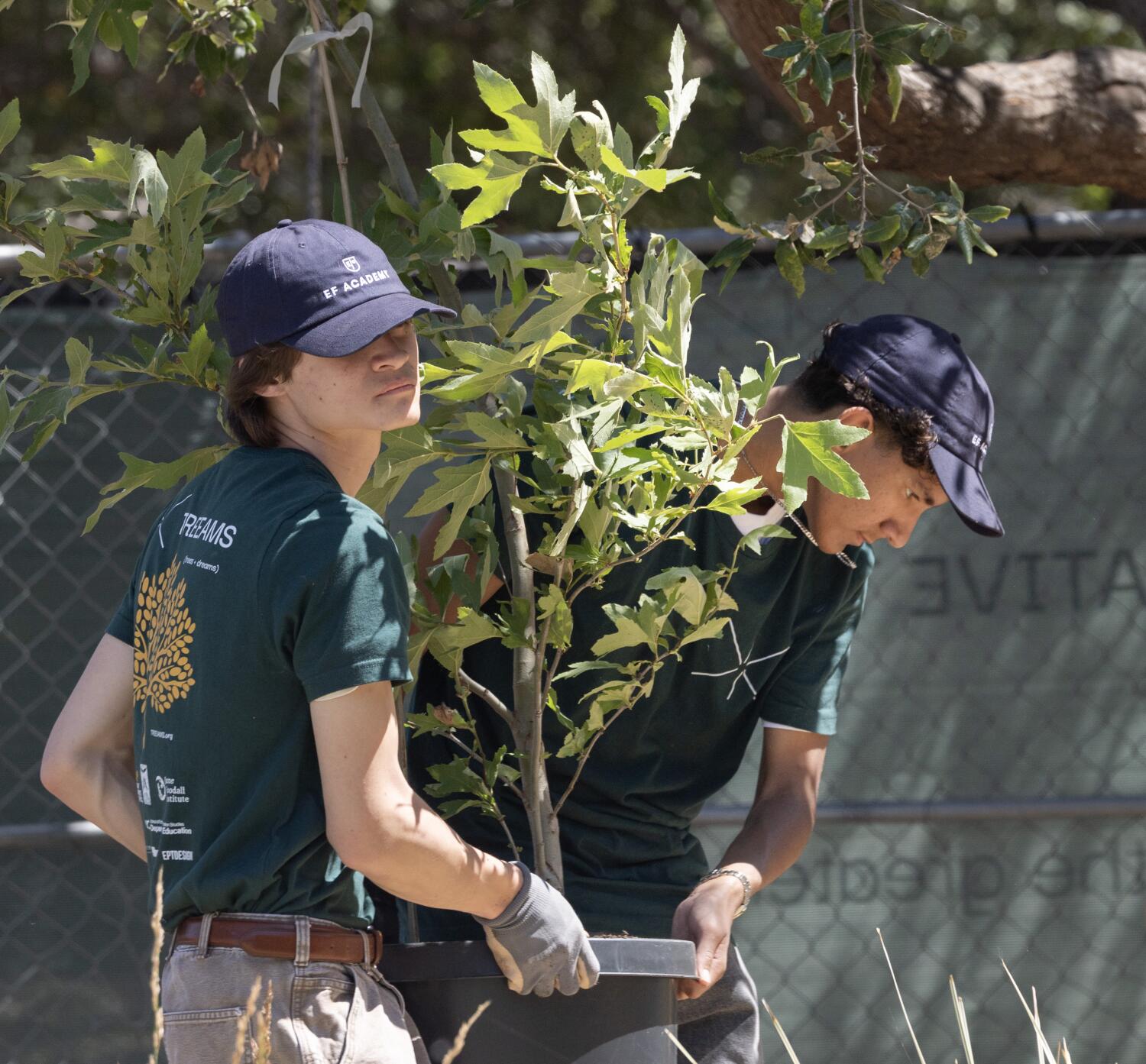
We love the image: wide-eyed students, inspired by Jane Goodall, getting their hands dirty in backyard nurseries to heal Los Angeles's fire-ravaged hillsides. It hits every emotional beat. It promises a grassroots solution to climate anxiety.
It is also ecologically illiterate.
For decades, well-meaning community groups have treated post-fire reforestation like an urban gardening project. They gather seeds, plant saplings in plastic pots, and dump them into scorched earth with the assumption that nature just needs a helping hand.
I have spent years evaluating post-disturbance land management, watching millions of dollars in grant funding dissolve into dead wood. The harsh reality of chaparral ecology does not care about good intentions. Backyard saplings do not save scorched communities. More often than not, they actively disrupt the brutal, necessary mechanics of natural recovery.
We need to stop treating complex wildfire ecology as a youth empowerment exercise.
The Chaparral is Not a Rainforest
The fundamental error of the student-led nursery movement is a basic misunderstanding of the Southern California landscape. People see a black, charred hillside and assume it is dead. They apply a tropical rainforest mental model to a Mediterranean ecosystem.
Rainforests need active replanting when cleared because their topsoil washes away and the seed bank is fragile. The California chaparral operates on a completely different biological clock. It does not just survive fire; it requires it.
The plants that belong on those hillsides—like Chamise (Adenostoma fasciculatum) and various species of Manzanita—are fire-adapted obligate seeders or crown sprouters. Their seeds have sat in the soil for decades, waiting for the intense heat or the chemical cues of smoke to trigger germination.
When well-meaning volunteers march onto a recent burn site to plant greenhouse-raised saplings, they cause immediate, quantifiable damage:
- Soil Compaction: Heavy foot traffic from volunteer planting crews destroys the fragile, hydrophobic crust of post-fire soil, accelerating erosion during winter rains.
- Seed Bank Destruction: Digging holes for potted plants physically disrupts the native seed bank that is already perfectly positioned to regenerate on its own.
- Genetic Pollution: Backyard nurseries rarely source seeds with strict geographic precision. Planting a native species from the wrong microclimate introduces weak genetic strains into a highly specialized local population.
When you plant a nursery tree in a recently burned zone, you are not helping nature heal. You are interrupting a highly coordinated evolutionary process that has functioned perfectly for millions of years without human intervention.
The Mirage of Survival Rates
Proponents of student nurseries love to talk about the number of saplings grown and distributed. They rarely talk about the five-year survival rate.
Growing a plant in a controlled environment with daily watering and nutrient-rich potting soil produces a biological weakling. These plants develop pampered root systems. When transplanted into the brutal reality of a sun-baked, post-fire Southern California hillside, their mortality rate frequently exceeds 85%.
Worse, the plants that do survive often do so because of intensive, artificial irrigation. This creates an artificial ecosystem. It delays the return of true, drought-tolerant native cover and wastes precious water resources in an arid region.
Consider the logistical nightmare of maintaining these amateur plantings. Professional forestry services utilize precise micro-site selection, choosing specific north-facing slopes or rock crevices where moisture naturally accumulates. Student groups naturally choose the easiest places to walk and dig. They plant along trail edges and easily accessible ridges—the exact places most vulnerable to wind, erosion, and future ignition.
The Pathogen Pipeline
Let’s talk about the danger no one in the feel-good press wants to mention: Phytophthora.
Plant pathogens, particularly root rot water molds, are the silent killers of native California flora. Professional native plant nurseries spend hundreds of thousands of dollars on strict phytosanitary protocols. They elevate pots off the ground, sterilize tools between every use, and test water supplies rigorously.
Do you know who does not have commercial-grade phytosanitary infrastructure? A high school biology classroom. A backyard community nursery.
When amateur operations grow plants in backyard dirt or cheap potting soil, they risk becoming vectors for disease. Transplanting these infected saplings directly into wildlands introduces pathogens into a stressed ecosystem. You might think you are introducing a heroic little oak tree, but you might actually be delivering a death sentence to the surrounding habitat.
The risk-to-reward ratio is fundamentally broken. You are risking irreversible biological contamination for a weekend photo opportunity.
Redefining True Ecological Stewardship
If student nurseries are an ecological dead end, what should we be doing instead?
We have to shift our perspective from active manipulation to aggressive protection. The best thing we can do for a fire-scorched hillside is to leave it completely alone and protect it from human interference.
Instead of building nurseries, community energy and student labor should be redirected toward actions that actually yield results:
Invasive Species Eradication
The real threat to post-fire recovery is not a lack of native seeds; it is the invasion of non-native annual grasses like Black Mustard (Brassica nigra) and Cheatgrass (Bromus tectorum). These weeds grow faster than native seedlings, steal surface moisture, and dry out by early summer, creating a highly flammable fuel bed that triggers a vicious cycle of frequent fires. Hand-pulling invasive plants before they set seed does more to save a hillside than planting a thousand weak saplings.
Fuel Break Management
Urban-wildland interfaces require smart engineering, not random reforestation. Directing labor toward clearing defensible space around existing structures protects human lives while allowing the wildlands behind them to burn and recover naturally, without human encroachment.
Passive Restoration Monitoring
We need data, not drama. Citizen science should focus on tracking natural regeneration. Mapping the return of native crown sprouts provides actual scientific value to land managers who need to know where the ecosystem is recovering on its own and where genuine, professional intervention is required.
The Hard Truth
The student nursery model persists because it solves a human psychological problem, not an environmental one. It alleviates climate grief. It makes people feel powerful in the face of a changing climate.
But valid ecology cannot be sacrificed for emotional satisfaction.
If we want to save our fire-scorched communities, we must have the courage to admit that our active interference is often the problem. We must respect the inherent resilience of the chaparral. Put down the trowel, step away from the burned hillside, and let the smoke-cleared earth do the work it was born to do.