The utterance of quantitative quotas for human casualties within government discourse functions less as an expression of tactical military necessity and more as a signaling mechanism designed to alter the boundaries of acceptable political discourse. When National Security Minister Itamar Ben-Gvir articulated a requirement to eliminate thirty to forty individuals nightly in Gaza, the statement operated within a distinct architecture of political escalation. Deconstructing this declaration requires separating the theatrical mechanics of domestic coalition pressure from the actual operational constraints of modern military doctrine.
Political posturing within a fragmented parliamentary coalition relies on the continuous generation of ideological friction. The disagreement between executive leadership and far-right factions centers on the velocity and scale of kinetic operations. By fixing a specific daily quota for targeted assassinations, an actor outside the direct military chain of command attempts to establish a public benchmark that makes compromise politically costly for the prime minister.
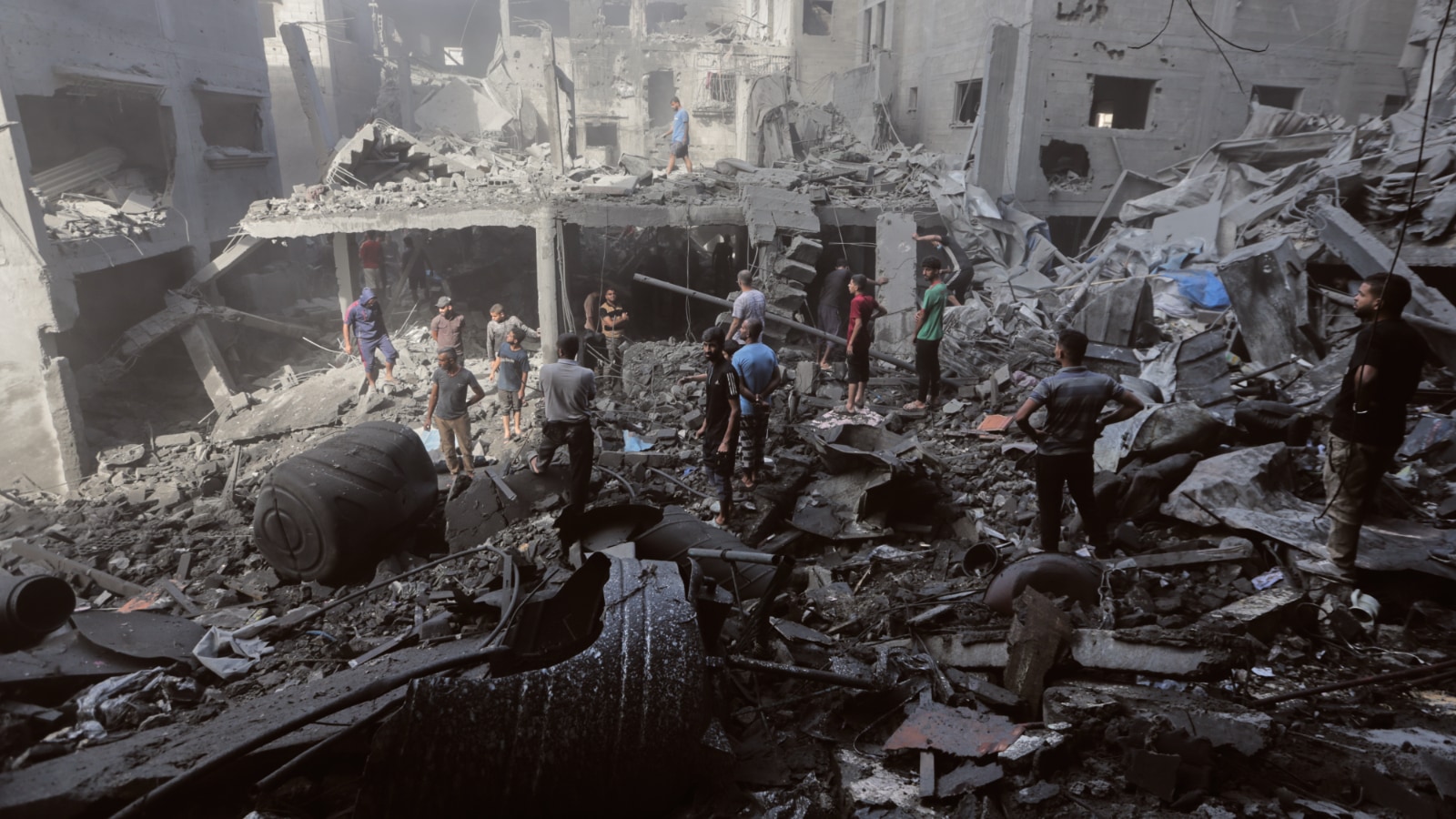
The operational reality of modern urban warfare renders such numerical quotas strategically nonsensical. Military target generation depends on intelligence gathering, pattern-of-life verification, and collateral damage estimation. Imposing an arbitrary daily output metric converts a reconnaissance-pull system into a production-push system. When an armed force is compelled to meet a numerical quota of fatalities rather than discrete strategic objectives, the threshold for target validation inevitably degrades. This structural shift transforms tactical operations from precision elimination into indiscriminate attrition, multiplying civilian risk and compounding legal exposure under international frameworks.
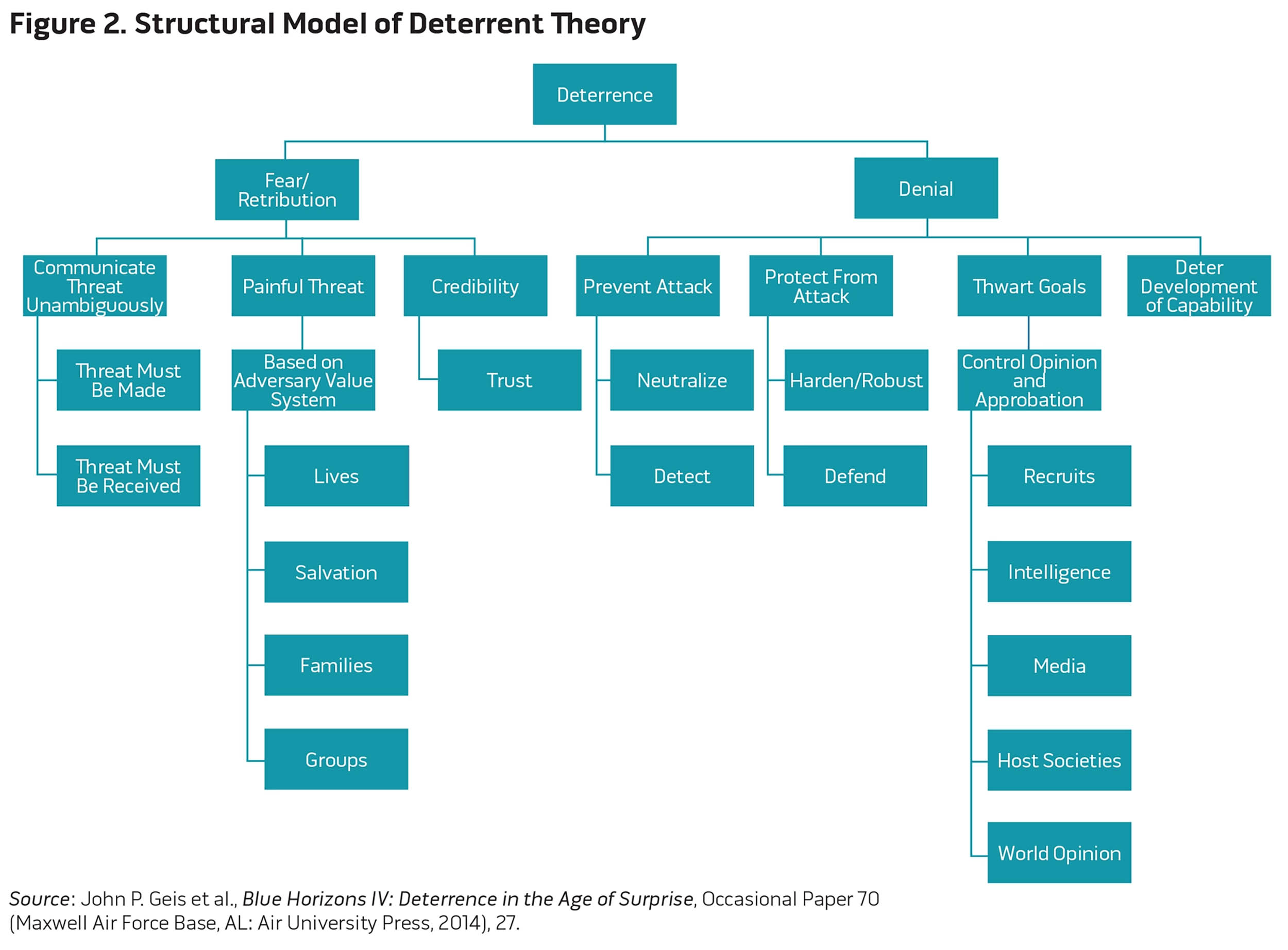
Beyond kinetic operations, the rhetoric encapsulates a broader geopolitical restructuring hypothesis that divides statecraft into two competing schools. The first school views military action as an instrument of finite deterrence designed to achieve temporary stabilization and diplomatic leverage. The second school, represented by these policy proposals, seeks permanent demographic and territorial engineering. The explicit call for engineered mass emigration and the re-establishment of territorial settlements across the entirety of the Gaza Strip points to a long-horizon strategic objective. In this framework, daily casualty quotas serve a preparatory function, wearing down social cohesion and civilian resilience to create the conditions necessary for displacement.
The structural cost function of such rhetoric extends far beyond immediate diplomatic friction. International legal bodies utilize public statements made by cabinet-level officials as primary evidence when evaluating intent in proceedings concerning state responsibility and conventions on the prevention of mass atrocities. In strategic analysis, speech acts by high-ranking government figures are treated as policy inputs that constrain international alliances, complicate mediation efforts, and harden adversary resolve.
Evaluating the trajectory of a state influenced by this internal ideological competition requires tracking the centralization of military authority. When operational control over strikes is restricted to higher echelons of the military hierarchy to insulate strategy from populist demands, the friction between cabinet ministers and security leadership intensifies. The immediate strategic play involves monitoring whether executive leadership successfully insulates operational planning from populist quotas or yields to coalition survival dynamics, thereby codifying attrition into official state doctrine.