Volvo Cars is currently caught in a pincer movement between aggressive regulatory shifts and the operational friction of a dual-continent manufacturing strategy. The reported 16% decline in Q1 operating profit to SEK 5.4 billion is not a statistical anomaly but a symptom of structural compression. While retail sales grew 7% to 199,600 units, the disconnect between volume and margin reveals a breakdown in the company’s ability to convert demand into profit.
The core of this erosion stems from three distinct vectors: the failure of the North American subsidy pivot, the margin-dilutive nature of early-stage software integration, and the rising cost of trade protectionism between the EU and China.
The Mechanism of Margin Dilution
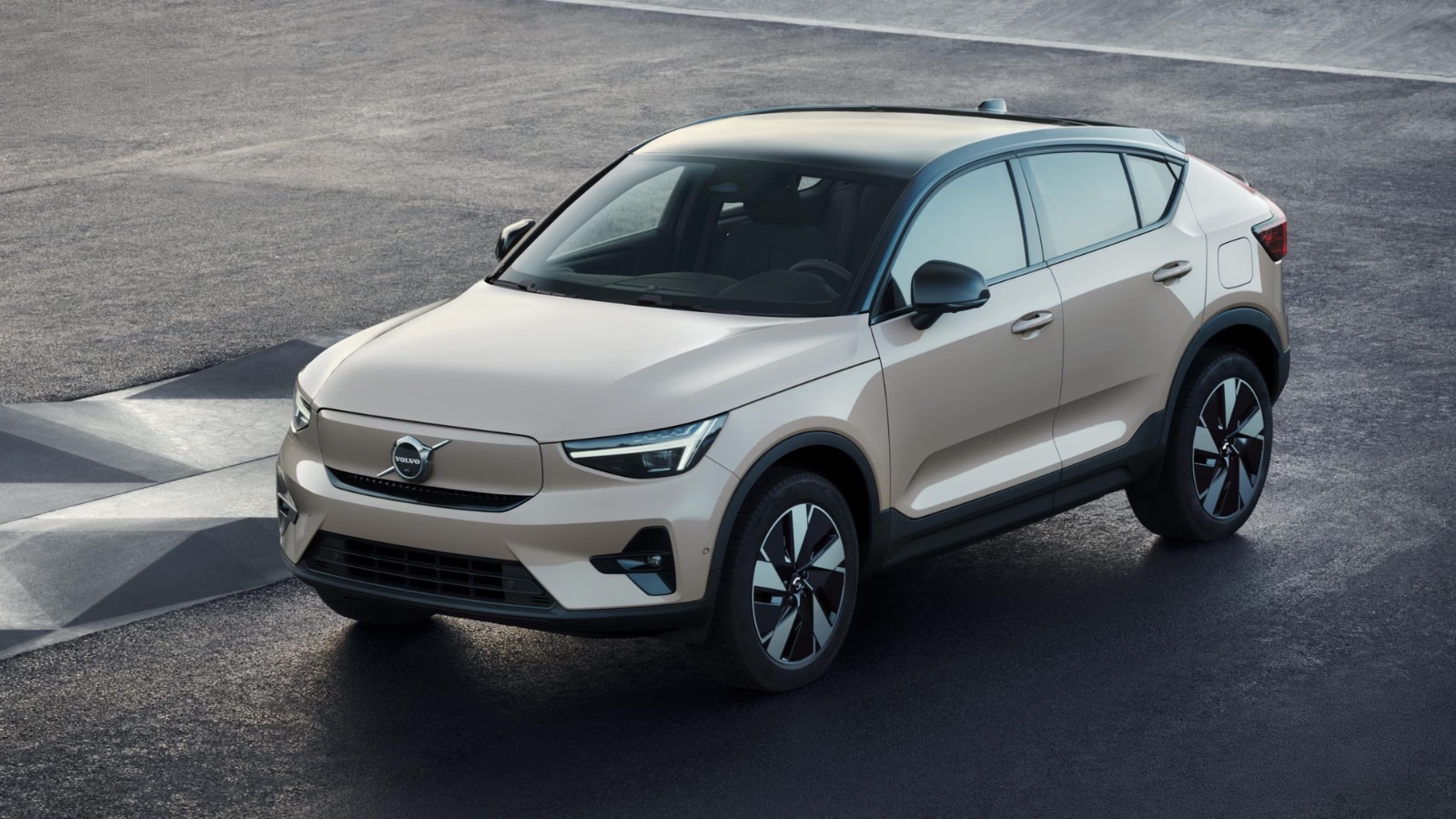
The automotive industry is currently governed by a shifting cost function. For Volvo, the transition from Internal Combustion Engines (ICE) to Battery Electric Vehicles (BEV) has introduced a temporary but severe margin gap. While ICE vehicles historically command stable margins, Volvo’s BEV portfolio is currently absorbing the high fixed costs of the Sustainable Experience Architecture (SEA) platform and the software delays associated with the EX30 and EX90 launches.
The company’s EBIT margin contracted to 2.2% in the most recent quarter. This compression is driven by the Convergence Gap:
- Manufacturing Ramps: The EX30, intended to be a high-volume, high-margin entry point (targeting 15-20% gross margins), faced initial software-related delivery bottlenecks.
- Variable Cost Inflation: Lithium-ion battery prices, though softening, remain high enough that parity with ICE production costs has not yet been achieved at current production scales.
- Inventory Obsolescence: Maintaining a parallel inventory of legacy ICE, Plug-in Hybrid (PHEV), and BEV models increases capital expenditure and reduces asset turnover.
Geopolitical Friction and the China-EU Arbitrage
Volvo’s unique ownership structure—controlled by Zhejiang Geely Holding—once offered a competitive edge in supply chain integration. In the current climate, this has become a liability. The European Commission’s implementation of countervailing duties on Chinese-made EVs, which can reach a cumulative peak of 48% including existing duties, strikes at the heart of Volvo's manufacturing logic.
The EX30, manufactured in Zhangjiakou, China, was positioned to dominate the European entry-level premium market. The sudden imposition of these tariffs creates an immediate pricing dilemma. Volvo must choose between two suboptimal paths:
- Price Absorption: Maintaining current MSRPs to protect market share while sacrificing net margin per unit.
- Price Inflation: Passing the tariff cost to the consumer, which risks stalling the 7% sales growth momentum and handing market share to domestic European competitors or ICE alternatives.
The long-term mitigation strategy—shifting production to Ghent, Belgium—is a multi-year capital project. This creates a Transition Vacuum where Volvo is exposed to high tariffs without the immediate agility to re-source production.
The Subsidy Withdrawal and North American Demand Collapse
In the United States, the removal of federal tax credits for vehicles without localized battery supply chains has fundamentally altered the consumer value proposition. US consumer confidence in EVs is highly elastic relative to government incentives. The "declining EV sales in the US" mentioned in recent earnings is a direct result of this elasticity.
Unlike the European market, where corporate fleet mandates and environmental regulations provide a floor for EV demand, the US market is driven by retail price parity. Without the $7,500 federal incentive, Volvo’s premium positioning in the BEV segment faces intense pressure from domestic manufacturers who benefit from the Inflation Reduction Act (IRA) "Section 45W" commercial lease loopholes and localized production.
Operational De-risking: The Polestar Divestment
A critical component of Volvo’s strategy to stabilize its balance sheet is the ongoing divestment from Polestar. The recent debt-to-equity conversion, where Volvo converted approximately $274 million of shareholder loans into equity, is a calculated retreat. By reducing its stake to 19.9% and handing the financial burden to Geely, Volvo is attempting to insulate its own EBIT from Polestar’s heavy cash burn and operational losses.
This move signals a pivot from "Growth at any cost" to "Sustainable Core Operations." Volvo can no longer afford to act as the primary financier for an independent EV brand while simultaneously funding its own internal transition.
Strategic Recommendation: The Decentralized Production Mandate
To survive the current structural compression, Volvo must move toward a policy of Market-Specific Sovereignty. The era of centralized, high-efficiency Chinese hubs exporting to the West is over.
The strategic play is the immediate acceleration of localized manufacturing hubs in South Carolina (USA) and Belgium (EU) to bypass the tariff wall. Furthermore, Volvo must aggressively prioritize the software-defined vehicle (SDV) architecture. The delays that hampered the EX30 and EX90 were not mechanical failures; they were software integration failures. In a market where hardware is becoming commoditized, Volvo’s premium status will be determined by its ability to execute on "Level 3" autonomy and seamless UI—areas where it currently trails behind Tesla and high-end Chinese rivals like Nio.
The company must accept lower overall volume in the short term to defend its 20% gross margin targets. Failure to do so will result in Volvo becoming a high-volume, low-margin manufacturer, effectively erasing the "Premium" brand equity it has built over decades.