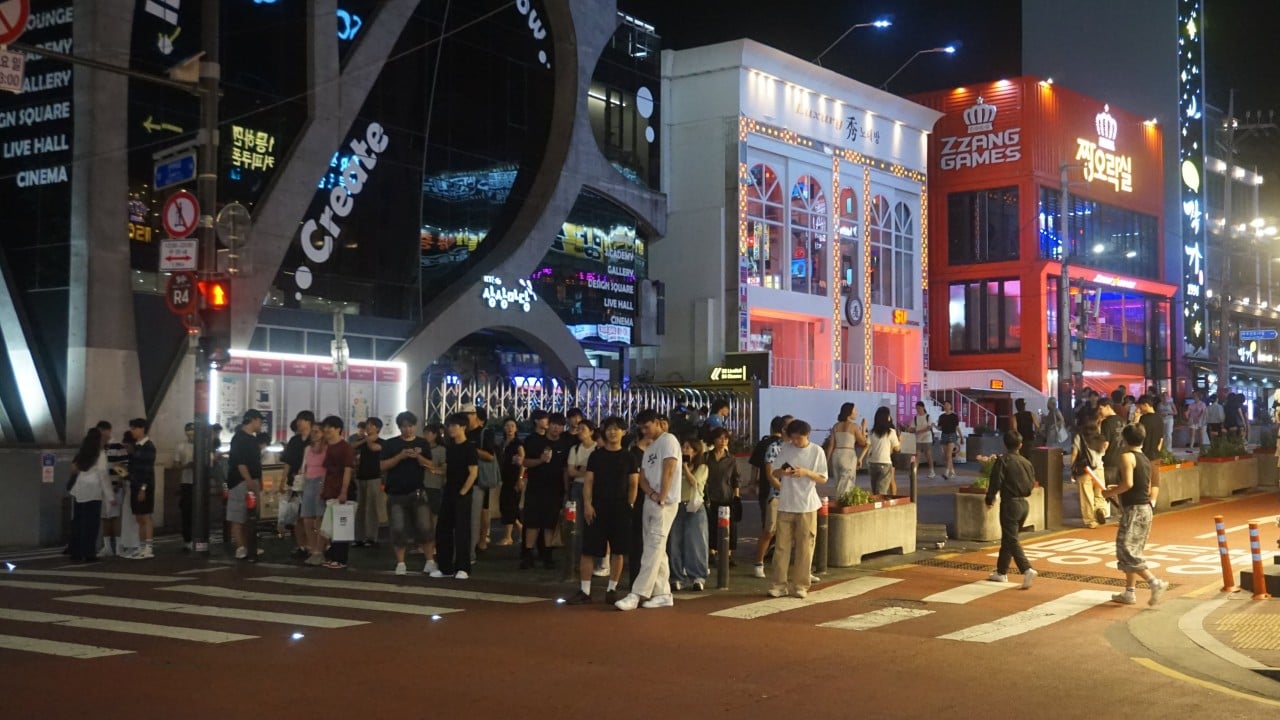
The traditional economic engine of Seoul nightlife was built on a simple formula: mandatory corporate alcohol consumption coupled with high-margin spirits. That engine has seized. Driven by structural shifts in labor expectations, macroeconomic friction, and a generational rejection of compulsory intoxication, the urban nocturnal economy is undergoing a forced architectural redesign.
Data from the Korea Disease Control and Prevention Agency indicates that the national monthly binge drinking rate fell to 33.8 percent, contracting for consecutive years from prior highs. Simultaneously, household real spending on alcohol posted a historic contraction of 9 percent year-on-year. This is not a cyclical dip. It is a permanent erosion of the social license that once governed urban socialization in South Korea.
The Three Pillars of the Structural Decline
To understand how Seoul nightlife is re-engineering its business model, one must first deconstruct the variables causing the failure of the legacy model.
- The Labor Market Realignment: The corporate dinner ritual known as hoesik, historically characterized by multi-round drinking sessions mandated by hierarchy, has collapsed under the weight of modern corporate efficiency. Post-pandemic curfews permanently altered temporal expectations; office workers now terminate gatherings by 11 PM rather than dawn. Concurrently, female workforce integration and changing management paradigms have eroded the tolerance for exclusionary, alcohol-centric networking.
- Macroeconomic Compression and Household Balance Sheets: Persistent inflationary pressure alongside elevated interest rates have forced consumers to reallocate discretionary capital. Alcohol possesses high price elasticity during periods of financial tightening. When disposable income constricts, consumers target high-margin luxury goods first, compressing domestic wine and imported whiskey segments.
- The Gen Z Behavioral Shift: Younger demographics view heavy alcohol consumption not as a social currency, but as an inefficiency. Prioritizing physical health, cognitive clarity, and sleep optimization, consumers in their twenties and thirties treat intoxication as a liability. Binge-drinking rites around university districts have yielded to low-proof alternatives or entirely alcohol-free assemblies.
The Economic Cost Function for On-Premise Operators
The primary vulnerability for Seoul bar and nightclub operators lies in their historical margin structure. Traditional hospitality venues derived up to 80 percent of their gross profit margins from high-volume alcohol sales—specifically diluted soju and commercial beers.
When a table substitutes multi-round soju orders for zero-sugar soft drinks or single low-ABV highballs, the average revenue per user plummets. Operators face a binary survival constraint: either compress operational footprints to match lower top-line revenues, or re-engineer the inventory to capture value from non-alcoholic spend.
Data from market trackers illustrates the speed of this inventory pivot. Consumer expenditure on non-alcoholic beer alternatives climbed past seventy billion won, registering double-digit expansion over a multi-year horizon. Crucially, the demographic spending pattern has inverted. Male consumers, historically lagging behind female cohorts in the non-alcoholic segment, now drive the majority of these purchases, signaling mainstream adoption across gender lines.
Temporal Arbitrage and the Rise of Functional Leisure
As midnight loses its dominance as the focal point of urban engagement, venues are engaging in temporal arbitrage. Morning raves, fitness-integrated social clubs, and sober-curious daytime events are capturing the capital previously spent on nocturnal recovery.
These formats exploit a different utility function. Instead of selling escape through intoxication, they sell community and wellness. By shifting operational hours to daytime blocks or early evenings, venues reduce fixed overhead costs like late-night labor premiums while maintaining table turnover.
Furthermore, high-end hospitality venues in districts like Gangnam and Mapo are integrating premium non-alcoholic distillates. Global alcohol-free brands have secured placements in luxury hotels and Michelin-starred dining rooms across Seoul, proving that the reduction of alcohol content does not necessitate a drop in menu pricing or brand prestige.
Strategic Allocation for Hospitality Operators
Venue owners navigating this contraction must abandon reliance on volume-based alcohol sales and adopt a portfolio approach to alternative beverages.
Operators should restructure their beverage menus around low-ABV configurations and complex non-alcoholic fermented options that command premium pricing based on preparation complexity rather than alcohol content. Simultaneously, reducing square footage dedicated to traditional seated drinking in favor of multi-functional spaces can insulate businesses against declining table dwell times.
The strategic play for urban operators in Seoul is not to wait for the return of legacy drinking habits, but to monetize the sober-conscious consumer through hyper-targeted experiential offerings that preserve margin integrity without relying on intoxication.
South Koreans are ditching alcohol for coffee at morning raves
This video illustrates the operational shift toward morning socialization alternatives as urban residents move away from traditional late-night drinking culture.