Foreign policy statements from Iranian Foreign Minister Abbas Araghchi asserting that Tehran's policies remain unchanged regardless of whether direct military conflict occurs represent a calculated application of strategic invariance. Rather than signaling diplomatic rigidity or rhetorical bravado, this posture functions as a deterrence mechanism designed to decouple Washington's escalation ladder from Tehran's core regional and nuclear decision-making matrices. By publicly anchoring state behavior to fixed structural interests rather than reactive crisis management, Iranian leadership attempts to neutralize the coercive value of American military posturing and economic sanctions.
The Architecture of Strategic Invariance
In classical deterrence theory, adversaries manipulate risk through calculated ambiguity or conditional threats, adjusting their posture based on the opponent's immediate actions. According to statements attributed to Iranian Foreign Minister Abbas Araghchi regarding US-Iran tensions, Tehran employs an inverse model. By declaring that core policies remain intact whether war breaks out or not, the Iranian foreign ministry seeks to establish a baseline of strategic invariance—a state where the target's policy outputs remain constant despite high-variance inputs from an external adversary.
This operational doctrine rests on three structural pillars that govern how Tehran processes external pressure:
- Decoupling Escalation from Policy Modification: Conventional coercive diplomacy relies on imposing escalating costs until the target alters its behavior. Tehran's doctrine treats American military deployments and sanctions not as variables that dictate policy shifts, but as static environmental friction. By refusing to link policy concessions to the avoidance of kinetic conflict, Iran attempts to strip the United States of coercive leverage before negotiations even begin.
- Asymmetric Cost Distribution: Direct conventional warfare favors American technological and logistical superiority. However, Iran's regional architecture—built around decentralized proxy networks, ballistic missile inventories, and maritime denial capabilities in the Strait of Hormuz—is engineered to impose prolonged, diffuse costs across global energy markets and regional allies. Araghchi's framing signals that kinetic strikes against Iranian territory would not terminate these capabilities, but rather transition them from latent deterrence to active attrition.
- Domestic and Regional Signaling: Public declarations of policy continuity serve dual audiences. Internally, they project institutional stability to domestic factions and security apparatuses, preventing elite fragmentation during periods of acute economic strain. Regionally, they reassure aligned non-state actors within the Axis of Resistance that Tehran will not trade their operational autonomy for a bilateral accommodation with Washington.
Game-Theoretic Mechanics of the US-Iran Standoff
To understand why Iranian officials emphasize continuity over tactical flexibility, one must examine the payoff matrix governing bilateral interactions between Washington and Tehran. Standard diplomatic reporting often reduces these exchanges to cycles of provocation and retaliation. In reality, both actors operate within an asymmetric iterated game where time horizons and risk tolerances diverge sharply.
Washington's strategic objective typically centers on immediate containment: halting nuclear enrichment thresholds, curbing regional proxy attacks, and preventing a wider Middle Eastern conflagration that disrupts global supply chains. Because American administrations operate within rigid two- and four-year electoral cycles, US policymakers face acute pressure to demonstrate measurable, near-term diplomatic or military results.
Tehran operates on an extended institutional timeline. The Islamic Republic's primary objective is regime survival paired with regional strategic depth. From the perspective of Iranian strategists, trading long-term structural assets—such as nuclear latency or regional militia networks—for temporary sanctions relief or the avoidance of limited military strikes represents an unfavorable trade. Sanctions can be reimposed by subsequent US administrations, as demonstrated by the American withdrawal from the Joint Comprehensive Plan of Action in 2018, whereas dismantled infrastructure and lost regional influence require decades to rebuild.
This divergence creates a structural bottleneck in negotiations. When Araghchi states that policies remain unchanged regardless of conflict, he is communicating that Iran has already priced the risk of military confrontation into its baseline strategy. In game theory, a player who credibly demonstrates indifference to a rival's maximum threat eliminates the rival's ability to extract concessions through brinkmanship. The burden of escalation then shifts entirely onto the party seeking to alter the status quo.
Operationalizing Deterrence Across Multiple Domains
Tehran's assertion of policy continuity is not merely rhetorical; it is backed by specific operational postures across three interconnected domains. Analysts tracking US-Iran dynamics must separate public diplomatic messaging from the underlying physical and economic mechanisms that sustain this posture.
The Nuclear Threshold Calculus
Iran's nuclear program functions primarily as a hedging strategy rather than an immediate weaponization sprint. By advancing uranium enrichment levels and expanding centrifuge capacity while stopping short of assembling a deliverable warhead, Tehran maintains what strategists term nuclear latency.
- Technical Reversibility vs. Knowledge Permanence: Physical facilities can be degraded through kinetic strikes or cyber operations, yet indigenous technical expertise cannot be bombed away. Araghchi's emphasis on immutable policy reflects the assessment that military strikes would delay, rather than permanently eliminate, Iran's nuclear capabilities, while simultaneously removing any remaining political incentives for Tehran to adhere to non-proliferation constraints.
- The Breakout Deterrent: Maintaining proximity to weapons-grade enrichment forces Washington and its regional partners to weigh the immediate risk of triggering an overt nuclear weaponization decision against the benefits of military action.
Forward Defense and Proxy Decentralization
Iran's regional security doctrine relies on forward defense—engaging adversaries outside Iranian borders through allied militias in Iraq, Syria, Lebanon, and Yemen.
- Operational Autonomy: While Tehran provides funding, weaponry, and strategic guidance, local groups retain significant tactical autonomy. This structure allows Iran to exert pressure on US bases and international shipping lanes while maintaining plausible deniability.
- Resilience to Decapitation: Because the network is federated rather than strictly hierarchical, kinetic strikes targeting specific commanders or logistics hubs rarely collapse the broader network. Policy continuity in Tehran means the sustained flow of technical schematics and asymmetric warfare doctrine to these partners continues regardless of direct friction between Washington and Tehran.
Economic Sanctions Adaptation
Over decades of comprehensive financial isolation, Iran has developed a resistance economy designed to absorb external shocks.
- Shadow Supply Chains: Tehran utilizes complex networks of front companies, ship-to-ship oil transfers, and non-dollar clearing mechanisms to sustain crude exports, primarily to Asian markets.
- Domestic Substitution: Import restrictions have forced the localization of defense manufacturing, particularly in unmanned aerial vehicles and precision-guided munitions, reducing reliance on foreign supply chains that could be severed during a conflict.
Misconceptions in Conventional Geopolitical Analysis
Public commentary surrounding US-Iran tensions frequently misinterprets statements from Iranian diplomats due to three recurring analytical errors.
The first error is conflating diplomatic tone with strategic intent. Western observers often treat shifts in Iranian rhetoric—from confrontational speeches to measured interviews by figures like Araghchi—as indicators of imminent policy reversals. In Tehran's political architecture, the Foreign Ministry executes strategy formulated by the Supreme National Security Council and approved by the Supreme Leader. A calm, legalistic articulation of Iranian positions does not signal a softening of core security requirements; it represents a different communication channel for the exact same strategic parameters.
The second limitation in standard coverage is viewing military conflict and diplomacy as mutually exclusive binary states. In Iranian strategic thought, kinetic friction, covert sabotage, economic pressure, and diplomatic engagement occur simultaneously along a continuous spectrum. Saying that policies remain in place whether war happens or not reflects an operational reality where low-intensity conflict is already ongoing, making the threshold between peace and war far less distinct for Tehran than it is for Washington.
The third analytical flaw involves overestimating the decisive impact of limited military strikes. Defense analysts occasionally assume that calibrated punitive strikes will compel Tehran to recalibrate its regional behavior. Historical precedent in the region indicates the opposite: limited strikes tend to consolidate domestic political cohesion within Iran and validate the hardline thesis that security can only be guaranteed through self-reliance and asymmetric deterrence, rather than diplomatic compromise.
Structural Limitations of the Invariance Doctrine
While strategic invariance offers Tehran significant advantages in countering coercive diplomacy, the doctrine carries severe structural vulnerabilities that constrain Iranian decision-makers. No deterrence framework operates without friction, and maintaining rigid policy baselines under extreme pressure introduces compounding risks.
- Miscalculation and Uncontrolled Escalation: A posture predicated on refusing to blink during a crisis increases the probability of accidental escalation. If both Washington and Tehran operate under rigid red lines, a localized tactical incident—such as a maritime collision in the Persian Gulf or a proxy strike causing mass American casualties—can trigger an automatic retaliatory spiral that neither capital intended.
- Economic Opportunity Costs: Sustaining a resistance economy and funding regional proxies diverts substantial capital from domestic infrastructure, energy grid maintenance, and public welfare. Over multi-year horizons, chronic underinvestment degrades internal state capacity, creating latent domestic discontent that external deterrence cannot resolve.
- Diplomatic Isolation and Coalition Formation: Rigid adherence to regional policies often alienates neighboring states that might otherwise favor pragmatic economic integration with Tehran. When regional actors perceive Iranian policy as wholly unresponsive to diplomatic incentives, they are more likely to deepen security integration with the United States and Israel, eroding Iran's regional diplomatic buffer.
Evaluating Intent Signals in Diplomatic Communications
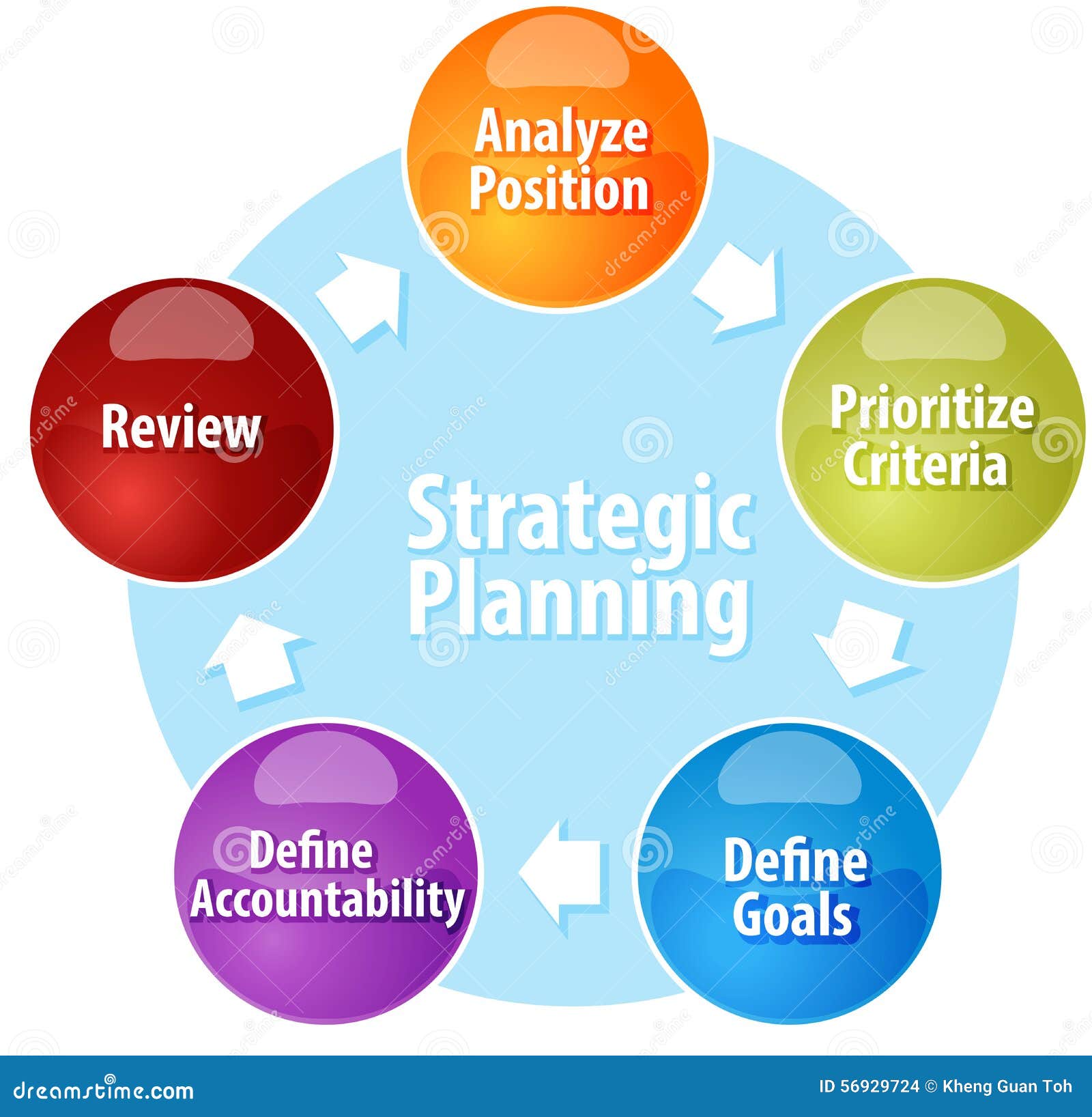
For intelligence analysts, risk managers, and policymakers monitoring bilateral tensions, extracting actionable signals from official statements requires filtering out routine ideological framing. When evaluating declarations from Iranian officials regarding US relations, practitioners should apply a four-step diagnostic framework:
- Separate Core Red Lines from Negotiable Mechanisms: Distinguish between non-negotiable survival interests—such as regime continuity and basic sovereign defense—and tactical variables like enrichment percentages, inspection protocols, or specific regional ceasefires. Statements asserting immutable policy almost always refer to the former while leaving space for technical adjustments in the latter.
- Cross-Reference Rhetoric with Force Posture: Compare diplomatic statements against observable physical indicators, including Islamic Revolutionary Guard Corps naval deployments, ballistic missile test frequencies, and enrichment facility modifications reported by the International Atomic Energy Agency. Rhetoric without corresponding force mobilization indicates a desire to manage escalation rather than initiate it.
- Monitor Economic Prioritization: Track shifts in how Tehran allocates foreign currency reserves and manages domestic subsidy reforms. Increased focus on domestic economic stabilization typically signals a preference for avoiding high-intensity kinetic disruptions that could sever remaining oil export corridors.
- Assess Intermediary Channels: Evaluate activity through traditional regional mediators such as Oman, Qatar, or Iraq. Public declarations of unyielding resolve frequently coincide with quiet, technical message-passing aimed at defining the exact boundaries of acceptable retaliation.
Strategic Forecast and Policy Implications
Tehran's adherence to strategic invariance ensures that bilateral dynamics between the United States and Iran will remain characterized by managed friction rather than decisive resolution. Washington cannot rely on signaling or limited kinetic threats to compel fundamental shifts in Iranian regional or nuclear posture, because Tehran's institutional architecture is explicitly calibrated to absorb those specific pressures without altering its baseline trajectory.
For policymakers and institutional risk analysts, the operational imperative is to abandon frameworks predicated on imminent Iranian capitulation or sudden diplomatic breakthroughs. Effective containment and risk management require establishing clear, verifiable boundaries around specific physical thresholds—such as weapons-grade fissile material accumulation and direct attacks on critical maritime chokepoints—while maintaining persistent backchannel communication mechanisms to prevent tactical friction from escalating into systemic regional war.