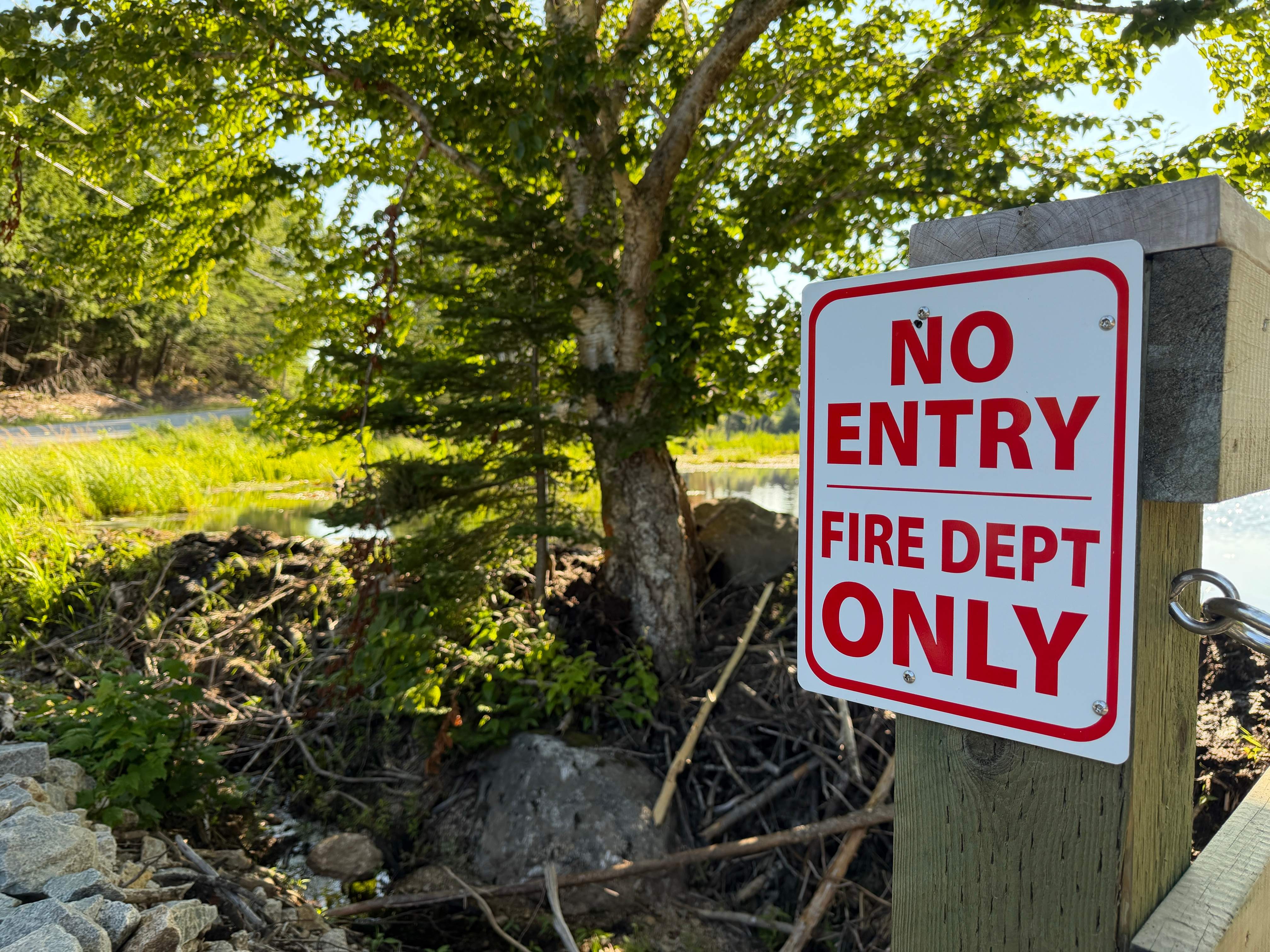
Every fire season, the internet convulses with the same romanticized comfort food. Someone shares a viral story about clever rodents building natural dams, or local citizens handing out coffee gift cards to exhausted crews, and the collective digital mob sighs in relief. We love the cozy narrative. We adore the idea that a plucky rodent or a roadside caffeine run can outsmart a wall of superheated plasma chewing through boreal timber.
It is comforting nonsense. And it is actively killing our approach to emergency management.
I have spent the better part of two decades watching public policy retreat into bedtime stories whenever a disaster season turns brutal. We prefer quirky human-interest vignettes because facing structural failure requires admitting that our entire prevention apparatus is broken. Relying on folklore while millions of acres turn to ash is not resourcefulness. It is administrative malpractice dressed up as national charm.
The Cozy Myth of Decentralized Grit
The lazy consensus in modern disaster coverage follows a predictable script. First, spotlight an underdog community coming together with baked goods and makeshift gear. Second, highlight some ecological curiosity—beavers engineering wetlands, a local farmer with a vintage tractor, or a volunteer brigade forming an impromptu bucket line. Third, frame this localized hustle as proof of inherent resilience.
Here is what that coverage leaves out: volunteer grit does not suppress crown fires running through a century of accumulated dry fuel load.
When relative humidity drops below fifteen percent and wind shear hits forty knots, no amount of grassroots communal spirit will stop an advancing fire front. Treating these events as community-building exercises ignores the math of combustion. Fire science does not care about your local flavor or your heartwarming neighborhood response network. It cares about fuel, oxygen, and heat transfer.
We romanticize improvisation because we refuse to fund structural prevention. Bureaucracies love when the public valorizes unpaid volunteers because it lets governments off the hook for chronic underfunding of heavy aerial assets, permanent regional crews, and aggressive preemptive thinning programs.
The Anatomy of a Sucker Bet
Let us look at the actual mechanics of how emergency budgets are deployed. Year after year, public agencies starve preventative maintenance—controlled burns, mechanical clearing, and indigenous land management partnerships—in favor of reactive suppression. Then, when a blaze inevitably overruns a community, officials scramble to lease expensive private aircraft at peak market rates and rely on exhausted auxiliary forces.
This is the emergency industrial complex at work. It runs on panic and rewards failure.
When a system is built entirely around reaction, every tool becomes an emergency band-aid. Handing out corporate coffee cards to firefighters on the front lines is a nice gesture, but it exposes a grim reality: our frontline personnel are chronically under-resourced to the point where small tokens of retail charity feel significant. If your workforce needs strangers buying them mass-market lattes to stay functional during a crisis, your operational logistics have already failed at a fundamental level.
Why Ecology is Not a Quick Fix
Environmental enthusiasts love to point toward ecosystem engineers as natural firebreaks. The argument sounds sophisticated: let wildlife restore wetlands, and moisture levels will naturally rise, creating damp zones that stall fire progression.
The trouble with this theory is temporal scale and spatial mismatch.
Beaver activity creates localized hydrological retention. That is a documented ecological fact. However, trapping, historical eradication, and modern agricultural fragmentation mean that populations are neither dense enough nor distributed correctly to alter macro-scale fire behavior across millions of hectares of tinder-dry timberlands. Relying on wildlife to do the heavy lifting of land stewardship is an abdication of human responsibility.
Nature is not a benevolent caretaker balancing the ledger on our behalf. Left unmanaged in a climate-stressed regime, overstocked forests become high-density powder kegs. If you want resilient landscapes, you have to do the brutal, unglamorous, expensive work of mechanical thinning and prescribed burning. You cannot simply cross your fingers and hope a rodent population boom saves the watershed.
The Data We Refuse to Look At
Look at the longitudinal data coming out of agencies across North America over the past twenty years. The cost per hectare suppressed has skyrocketed exponentially, while the total area burned continues to break historical records.
| Strategy Focus | Primary Outcome | Long-Term Systemic Cost |
|---|---|---|
| Reactive Suppression | Temporary property defense | Astronomical fiscal escalation |
| Voluntary Community Mobilization | High morale, zero structural impact | High burnout, recurring risk |
| Preemptive Mechanical Clearing | Reduced crown fire velocity | High upfront political capital |
| Aggressive Prescribed Burning | Restored ecosystem resilience | Temporary smoke management friction |
Notice what sits at the bottom of that table. Prescribed burning and mechanical thinning require political courage, endure public complaints about temporary smoke, and demand sustained multi-year funding before you see a single headline about saved homes. They do not lend themselves to heartwarming morning-show segments. You cannot easily package a controlled burn into a viral video about community warmth.
So politicians choose the flashy failure over the quiet success. They wait for the smoke to roll in, put on a high-visibility vest, and pose for cameras next to exhausted crews while handing out corporate refreshments.
Dismantling the Hero Narrative
We need to stop talking about firefighters as heroes when we actually mean they are martyrs of our own making.
Calling someone a hero is often a linguistic shield used by institutions to excuse themselves from providing adequate safety equipment, mental health support, and realistic staffing ratios. When you frame disaster response as an epic struggle where ordinary people rise above impossible odds, you implicitly accept those impossible odds as normal.
They should not be fighting fires with obsolete gear while relying on community donations for basic sustenance. They should be backed by state-of-the-art predictive modeling, autonomous asset deployment, and year-round professional pay scales that reflect the extreme danger of the profession.
The Uncomfortable Road Ahead
Fixing this mess requires abandoning the comforting illusions of grassroots romanticism.
First, redirect seventy percent of reactive emergency funds into proactive land management during the off-season. Stop waiting for the smoke to appear in the sky before mobilizing capital.
Second, institutionalize indigenous cultural burning practices without bureaucratic friction. Indigenous land stewards understood fire cycles long before modern forestry departments turned timber management into a political football.
Third, stop celebrating community resilience as a substitute for competent governance. When a neighborhood has to organize its own bucket brigades because municipal infrastructure failed, that is not a heartwarming triumph of the human spirit. That is a systemic breakdown.
The next time a wildfire crisis dominates the news cycle and someone tries to feed you a charming anecdote about wildlife or corporate charity, reject it. Look past the smoke, look past the PR stunts, and ask who defunded the firebreak.