If you woke up to alerts about earthquakes striking Greece just as you're packing your bags for the summer, it's totally normal to feel a bit of anxiety. Headlines love words like "rattled" and "panic," especially when the tourism season is ramping up.
Here is what actually happened. On Sunday, June 7, 2026, a series of moderate earthquakes hit the northern part of Evia, a large island located about 130 kilometers northeast of Athens. The tremors started just before 1:00 PM local time with a 4.8 magnitude shake, followed quickly by a stronger 5.2 magnitude quake and a 4.3 aftershock.
Because the quakes were shallow, the shaking felt intense. People ran outdoors in local villages like Prokopi and Dafnousa. In fact, a baptism at a local church in Prokopi was abruptly interrupted as the priest and guests headed out to the courtyard for safety. The tremors were even felt all the way in downtown Athens.
But here is the real question behind the panic: Is it safe to travel to Greece right now?
The short answer is yes. While the media loves a good disaster narrative, the reality on the ground is far less dramatic. No injuries were reported. The damage was limited to cracked plaster, shattered shop windows, a single collapsed stone wall, and minor rockfalls on local rural roads. Greece's civil protection ministry and emergency crews responded immediately, and scientists from the Athens Geodynamic Institute quickly pointed out that this kind of seismic activity is perfectly normal for northern Evia.
The Reality of Earthquakes in Greece
You can't talk about Mediterranean travel without acknowledging geography. Greece sits on a complex network of geological fault lines. It's the most seismically active country in Europe. If you travel here often, you're going to experience a tremor eventually.
But there is a massive difference between a routine seismic swarm and a catastrophic event.
Most travelers don't realize how tough Greek building codes are. Following major quakes in 1981 and 1999, the country completely overhauled its construction regulations. Modern hotels, resorts, and vacation rentals are engineered to absorb shocks from magnitudes far higher than a 5.2. That's why a quake of this size causes minor structural cracks rather than major building failures.
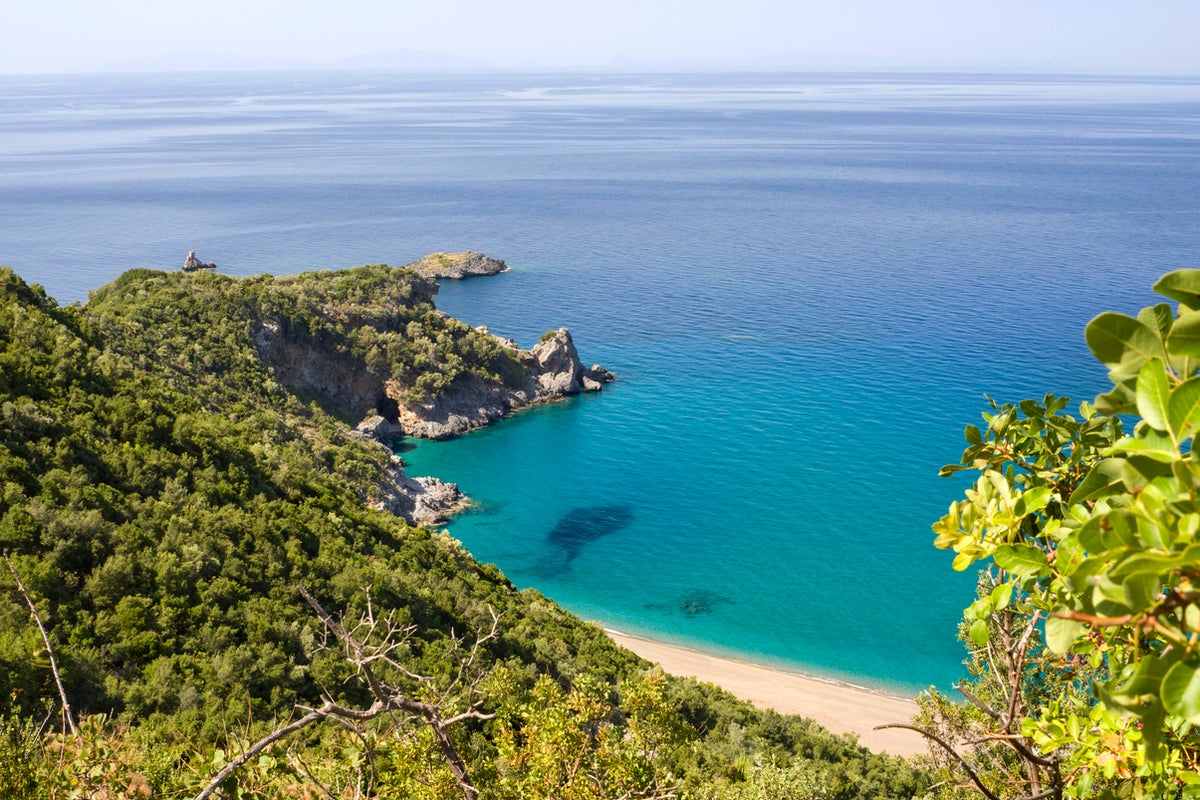
Evia itself is a massive island, the second-largest in Greece. The northern region where the faults slipped is heavily forested, mountainous, and scattered with small villages. It's beautiful, but it's not the high-density tourist hub that most international travelers flock to. If your itinerary involves island-hopping through the Cyclades or walking up to the Acropolis, you are far from the epicenter.
What This Means for Your Vacation Plans
If you have booked a trip to Athens, Santorini, Mykonos, or Crete, this swarm shouldn't change your plans at all. International flights are landing normally at Athens International Airport. Ferries are running on schedule. Beach clubs are open.
When a tremor happens near a major city or a popular vacation spot, the news cycle treats it like a red alert. They did the same thing when a 5.4 offshore quake shook southwest Evia in late 2025, and when Santorini experienced a swarm of tiny tremors earlier. In every case, life moved on within hours.
Instead of cancelling your flights, focus on practical awareness. Knowing what to do during a tremor makes you a smarter traveler, not a paranoid one.
How to Handle a Tremor Like a Local
If the ground starts moving while you are in your hotel room, don't run outside blindly. Falling debris like balcony tiles or flower pots near building facades is the main cause of minor injuries during quakes.
- Drop, Cover, and Hold On: Get under a sturdy table or desk. Stay away from glass windows and heavy wardrobes.
- Stay Inside Until Shaking Stops: Don't rush for the elevators. Stairs can also be unstable during active movement.
- If You Are Outdoors: Move into an open space away from power lines, old stone walls, and building overhangs.
- Download the Local Alerts: The Greek government uses a cell-broadcast system (112) that sends emergency alerts in multiple languages directly to mobile phones in affected regions. Keep your roaming data or local SIM active.
Moving Forward With Your Trip
Don't let sensational news alerts ruin a summer vacation you've spent months planning. The Greek tourism infrastructure is built around these natural geographical quirks. Local business owners are ready for the season, and the civil protection teams are highly experienced in handling these exact scenarios.
Check in with your hotel or host if you happen to be staying in northern Evia specifically, just to ensure their specific street isn't dealing with a minor cleanup. Otherwise, double-check your travel insurance policy to make sure it covers natural disruptions—a good rule of thumb for any destination—and get back to packing your bags. The Aegean is waiting.