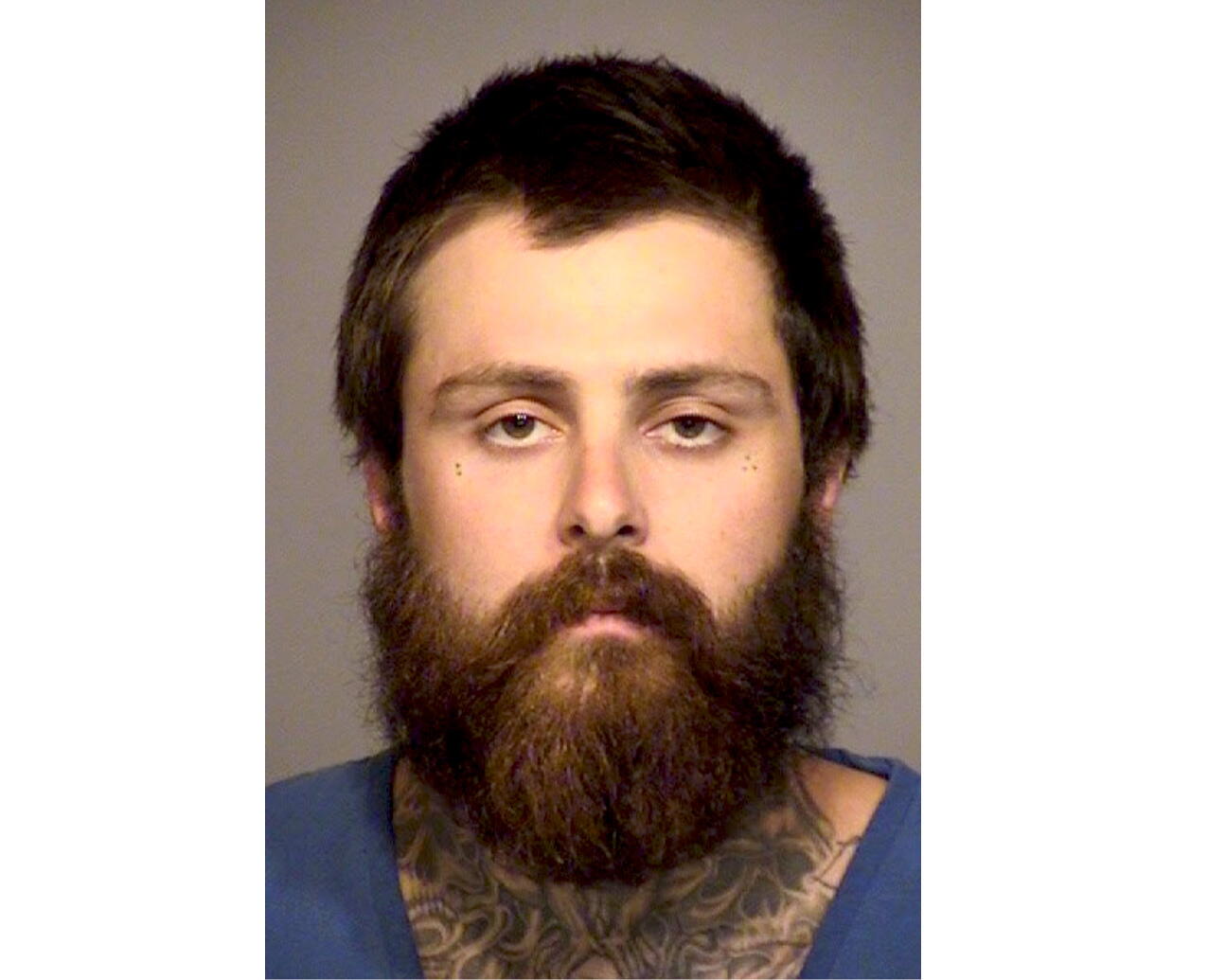
Mainstream crime reporting loves a neat, terrifying villain. When a member of an anti-migrant group gets convicted of a brutal murder in Staffordshire, the editorial script writes itself before the jury even leaves the room. The headlines scream about radicalization. The pundits point at online echo chambers. Everyone nods along to the comforting fiction that locking up one ideological monster solves the problem.
It is lazy journalism. Worse, it is dangerously wrong.
If you look closely at how violent extremism actually operates in the UK, treating a Staffordshire homicide purely as a cautionary tale about far-right politics misses the real catalyst. Ideological labels are rarely the engine of lethal violence. They are the paint job. Beneath the surface of almost every high-profile extremist murder in modern Britain lies a far more mundane, systemic failure: untreated severe mental illness, acute social isolation, and a criminal justice apparatus that waits until someone bleeds out before intervening.
The Myth of the Purely Ideological Killer
Let’s dismantle the consensus first. Legacy media outlets frame these convictions around group membership because group membership is easy to photograph, easy to quote, and easy to monetize through outrage clicks. When a defendant has ties to an anti-migrant faction, reporters treat the political manifesto as the murder weapon.
I have spent years analyzing threat assessments and post-incident reviews across European security sectors. Time and again, the same pattern emerges behind closed doors, even when press releases tell a different story. Researchers at the Royal United Services Institute (RUSI) and criminologists studying lone-actor terrorism—such as Paul Gill at University College London—have repeatedly demonstrated that violent actors rarely follow a linear path from political grievance to homicide.
Instead, these individuals are overwhelmingly characterized by personal crisis, substance abuse, domestic instability, and clinical paranoia. The anti-migrant rhetoric doesn't create the capacity for murder. It gives an already unraveling individual a socially legible target for their rage. By reducing a Staffordshire murder to "anti-migrant extremism," journalists flatter the killer. They grant a chaotic, broken criminal the status of a political soldier.
What the Courtroom Transcripts Actually Reveal
When you strip away the sensationalist framing and examine standard Crown Court sentencing remarks in cases involving fringe activists, a stark reality appears:
- Criminality precedes ideology. The vast majority of violent offenders linked to street-level anti-migrant groups have extensive rap sheets for non-political offenses—burglary, domestic battery, pub brawls, and drug possession—long before they ever attend a protest or join a Telegram channel.
- Group cohesion is an illusion. Journalists love to portray anti-migrant outfits as disciplined, hierarchical paramilitary cells. In reality, most are disorganized, transient clusters of alienated men who turn on each other just as frequently as they target outsiders.
- Proximity dictates victims. While ideology shapes who these offenders claim to hate online, real-world lethal violence almost always erupts from immediate, localized friction—neighborhood disputes, alcohol-fueled escalations, or perceived personal slights.
Why Media Framing Makes Communities Less Safe
The standard newsroom approach does not just misinform the public; it actively misallocates resources. Every time a major outlet frames a violent crime exclusively through the lens of political extremism, policymakers respond with political theater. They pass speech restrictions. They ban obscure group names. They fund glossy counter-narrative campaigns that no violent offender will ever read.
Meanwhile, the actual predictors of lethal violence go untouched.
Consider the institutional collapse happening quietly across Staffordshire and the wider West Midlands. Community mental health trusts are operating past breaking point. Probation services, hollowed out by years of privatization and understaffing, routinely miss escalating warning signs among high-risk offenders with histories of domestic violence. Local policing teams lack the bandwidth to track low-level habitual offenders until a minor assault escalates into a murder inquiry.
The Uncomfortable Truth About Radicalization
To be clear, anti-migrant groups are not benign social clubs. They actively recruit vulnerable, angry men. They amplify dehumanizing language that lowers psychological barriers to aggression, and they provide a sense of belonging to people who have burned every bridge in their personal lives. Ignoring the toxic role of organized hate speech would be naive.
However, admitting that fringe groups act as accelerants is entirely different from pretending they are the sole source of the fire. When you treat a complex psychosocial breakdown as a simple case of "bad ideas," you absolve every failing institution that watched the offender deteriorate in plain sight.
How to Actually Read Crime Coverage
If you want to understand what is truly happening in cases like the Staffordshire murder, stop reading the headlines and start interrogating the reporting itself. When a news outlet breaks a story about an extremist conviction, ask three questions they rarely answer in the first five paragraphs:
- What was the offender’s prior contact with state agencies? Look for mentions of missed probation appointments, dropped domestic abuse charges, or previous psychiatric evaluations. That is where the real system failure occurred.
- Did the group direct the attack, or merely claim the aftermath? Distinguish between coordinated organizational violence and an unstable individual acting out while wearing a group's badge.
- What happened to the local infrastructure around the offender? Examine whether the murder took place in a post-industrial area gutted by austerity, where youth services, addiction clinics, and neighborhood policing have vanished.
Media outlets will continue to sell you the story of the ideological boogeyman because fear is profitable and nuance doesn't trend. They will keep pointing at the flag the killer waved so you don't look at the broken institutions that let him walk free until he took a life.
Stop buying the simple narrative. Start demanding accountability from the systems that actually had the power to stop the blade before it fell.