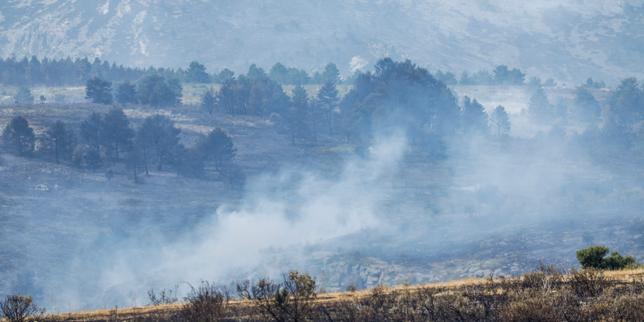
Firefighters in Spain recently fought through another terrifying wildfire breakout north of Madrid. Over 32,000 hectares burned before crews managed to shrink the fire fronts. That number isn't just a stat. It represents scorched pine forests, evacuated villages, and destroyed livestock habitats across regions like Castile and León and the Madrid autonomous community.
Emergency teams deployed hundreds of military personnel and heavy aircraft. Lower night temperatures and lighter winds finally gave ground crews a window to slow the spread. Yet, the broader story here isn't just about one blaze getting contained. It's about a pattern we keep ignoring.
Why Spanish Wildfires Keep Outrunning Regional Response Teams
Wildfires aren't new to the Mediterranean. Summer heat has always made southern Europe prone to seasonal blazes. What changed is the speed and intensity of these outbreaks.
Dry ground turns woods into tinderboxes long before peak July heat hits. When a fire breaks out near areas like the Sierra de Guadarrama or the provinces of Ávila and Segovia, standard containment lines rarely hold up. Wind bursts drive embers hundreds of meters ahead of the main wall of fire.
Regional governments routinely point to extreme weather as the sole culprit. Weather plays a massive role, sure, but rural abandonment compounds the crisis. Decades ago, grazing livestock and small-scale timber harvesting kept forest floors cleared of dead vegetation. Today, millions of hectares sit completely unmanaged. Dense brush acts like a fuse waiting for a spark, whether that spark comes from lightning, a discarded cigarette, or agricultural equipment.
Emergency crews work tirelessly, but they face a fundamental problem. They're built for suppression, not prevention. Throwing millions of euros at firefighting planes every July doesn't fix the fact that forest floors are loaded with fuel all winter long.
The Real Cost Beyond Burnt Forest Land
When a headline reads 32,000 hectares burned, standard reports focus on immediate property damage and evacuation counts. The actual damage runs much deeper and lasts for years.
- Forest soil bakes under severe heat, losing its ability to absorb water. Winter rains then bring severe soil erosion and mudslides rather than groundwater recharge.
- Local economies lose tourism revenue for seasons to come. Hikers and vacationers don't visit charred landscapes.
- Agricultural losses extend past burnt crops. Smoke taint ruins nearby vineyards, and air quality spikes fine particulate matter levels across nearby metropolitan centers, including Madrid itself.
Regional authorities often announce recovery packages within days of containment. History shows those funds trickle down slowly, leaving small municipalities to handle long-term cleanups on their own.
What Needs to Change Before the Next Heatwave Hits
Spain cannot simply deploy more trucks and hope for better weather next year. Managing this crisis requires shifting real resources into land maintenance during the off-season.
Controlled burns during cooler months remain controversial among local populations, but foresters widely agree they are essential. Expanding controlled grazing programs—paying local shepherds to let livestock clear undergrowth—costs a fraction of a full military emergency deployment.
If you live in or near high-risk rural areas, waiting on government response plans isn't enough. Clear at least 30 meters of brush around any structures on your property. Install fire-resistant mesh over roof vents to stop flying embers from igniting attics. Keep emergency evacuation routes mapped out before smoke hits your valley.