SpaceX isn't slowing down. Elon Musk's aerospace enterprise has officially committed to a staggering $100 billion investment to build its largest rocket launching facility right on the Gulf Coast of Louisiana. Forget small-scale expansions or incremental tests. This project turns a massive 125,000-acre tract in Vermilion Parish's Pecan Island into the heaviest-duty spaceport on Earth.
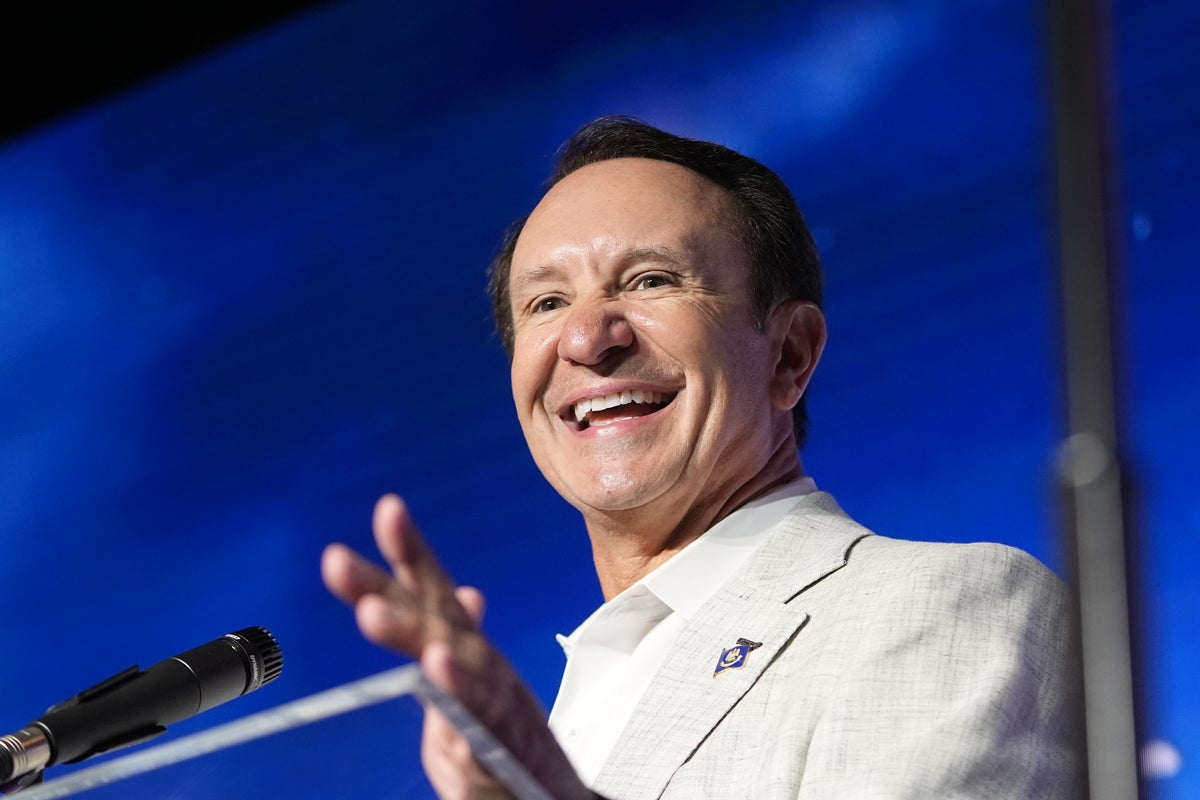
Governor Jeff Landry and SpaceX President Gwynne Shotwell rolled out the plans during a massive announcement event. The timeline targets construction to start in 2027, with the first orbital flights blasting off from Louisiana soil by 2029. If you've been watching how SpaceX scaled its operations in Boca Chica, Texas, you know they don't do things by halves. Starbase Louisiana is designed to dwarf everything that came before it.
The Scale of Starbase Louisiana
Numbers this big usually sound fake. They aren't. Starbase Louisiana will feature five distinct launch complexes. Each complex packs two massive Starship towers, bringing a total of ten individual launch pads to the sprawling campus.
Think about the operational cadence required here. SpaceX wants to support thousands of launches every single year. Existing infrastructure in Texas and Florida simply cannot handle that volume. Musk has talked about ramping up Starship flights to over thirty times a day. To hit those targets, you need massive geography, deep-water shipping access, on-site propellant production, and dedicated power generation.
Louisiana gives them all of that. The region offers ready access to the massive natural gas reserves needed to fuel these orbital heavy-lifters. It also provides open Gulf Coast trajectories that make launching heavy payloads significantly easier than squeezing past congested flight paths elsewhere.
Why Louisiana Struck the Deal
State officials didn't just sit back and hope SpaceX would show up. Louisiana Economic Development put together a heavy-hitting competitive incentives package to secure the win. In exchange for local tax arrangements, SpaceX agreed to pay a guaranteed $25 million annually to the local parish, alongside an upfront $20 million payment and a $25 million charitable contribution to the Community Foundation of Acadiana.
The economic impact projections are massive. State estimates point to 3,000 direct jobs created over the next decade, with average salaries hovering around $92,600. Factor in indirect contractor roles, and over 11,000 total regional job opportunities are expected to materialize. Local suppliers can bid for contracts through the Source Louisiana portal, meaning regional metalworkers, engineers, and logistical firms stand to gain immediate business.
The Real Drivers Behind the Buildout
Why build a $100 billion facility right now? The answer lies in SpaceX's shifting roadmap. The 407-foot-tall Starship isn't just about flying cargo and crew to the Moon or Mars. Company leadership has made it clear that orbital data centers and massive artificial intelligence supercomputing networks are moving into space.
Power demands on Earth are skyrocketing. Moving heavy compute workloads into orbit powered by direct solar arrays solves terrestrial energy bottlenecks. But lifting massive supercomputing hardware off the planet requires a relentless, daily launch schedule. Starbase Louisiana is purpose-built for that exact future.
Housing will also go up on-site, mirroring the community structure SpaceX built at Starbase, Texas. Employees will live, work, and process vehicles within a self-sustaining industrial city designed explicitly for interplanetary logistics.
Environmental Realities and Local Concerns
No project of this magnitude happens without pushback. Environmental groups like the Louisiana Bucket Brigade have voiced sharp concerns over how heavy industrial rocketry will affect the fragile southern coastline. The proposed land at Pecan Island—previously tied to oil and gas operations by ExxonMobil—faces severe erosion challenges.
SpaceX and state officials are playing defense early on this front. Shotwell emphasized that the company is working directly with state and federal agencies to invest in shoreline protection, marsh restoration, and wildlife conservation. Whether those measures can protect the wetlands while 10-pad complexes roar to life remains a contentious point. Expect rigorous environmental reviews, public hearings, and legal scrutiny to accompany every phase of construction leading up to the 2029 launch window.
If you are a local contractor, engineer, or investor in the Gulf Coast region, you need to track the rollout of supplier portals like Source Louisiana right now. The regional supply chain will move fast. Keep a close eye on town hall schedules as SpaceX opens public communication channels in the coming months. This industrial shift is happening whether you're ready or not.