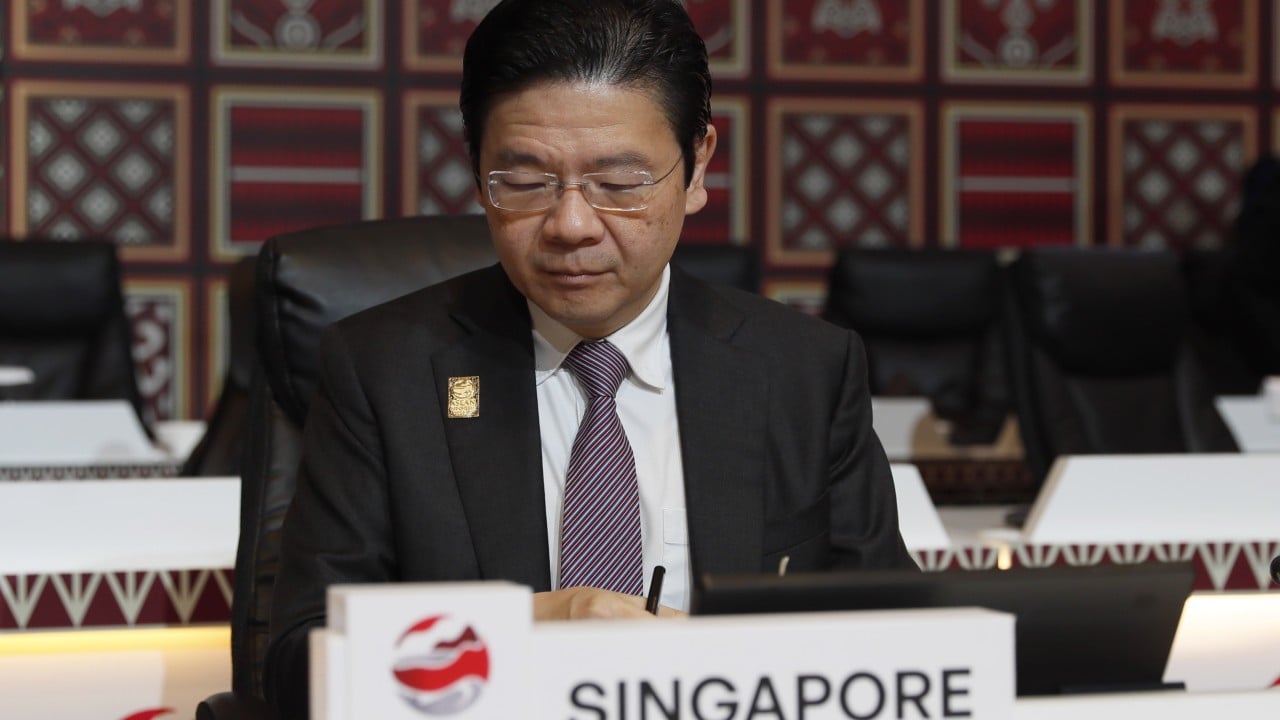
Small nations usually get pushed around when global superpowers start a trade war. But Singapore refuses to sit quietly on the sidelines. As the city-state prepares to take over the rotating ASEAN chairmanship for 2027, it faces an unforgiving landscape of regional civil conflict, aggressive tariff pressures, and fracturing supply chains. Prime Minister Lawrence Wong made it clear that retreating inward is a recipe for irrelevance. Instead, the island nation is doubling down on regional integration to prove that micro-states can still command macro-influence when global institutions wobble.
Navigating Economic Fragmentation and Trade Realities
Trade policy stopped being about simple economics years ago. Governments now treat supply chains, tech investments, and customs borders as national security weapons. For an open economy like Singapore, this shift creates constant headaches. Washington worries about transshipment hubs being used to launder the true geographic origin of restricted goods. Singapore handles billions of dollars in cargo daily, meaning customs authorities cannot physically inspect every single component passing through the port.
Wong has acknowledged these structural limits while maintaining strict legal enforcement against illicit trade loops. Yet, defense mechanisms alone will not save regional commerce. The real solution requires cutting down non-tariff barriers across Southeast Asia and harmonizing digital payment systems so small businesses can transact without drowning in paperwork. If member states keep throwing up internal roadblocks, major powers will easily divide and conquer the bloc.
The Myanmar Test and Regional Consensus
Economic policy might be Singapore's comfort zone, but political crises will define its leadership test. The ongoing civil war in Myanmar remains the ultimate diplomatic graveyard for ASEAN leaders. Past chairs have tried and failed to enforce the five-point consensus, running headfirst into a stubborn military regime staging managed elections.
Critics often argue that Singapore lacks the military weight or claimant-state urgency of nations directly tied to South China Sea disputes. But that exact detachment is precisely why the island works well as an honest broker. Singapore doesn't seek territorial grabs. Its primary objective is preserving institutional continuity and making sure member states don't stop talking to each other entirely when tensions spike.
Climate Resilience and Infrastructure as Strategic Shielding
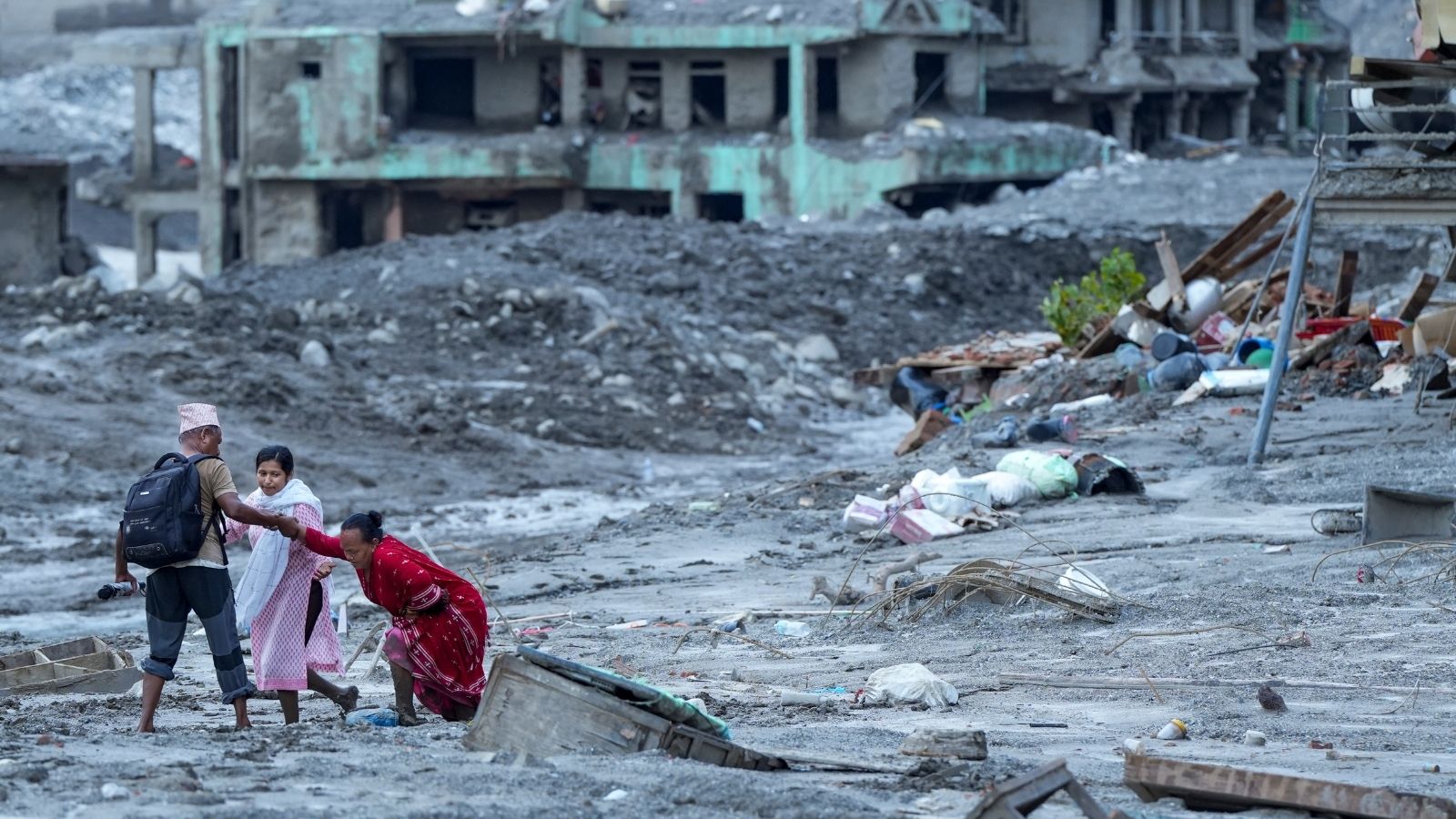
Geopolitics isn't just about trade pacts and territorial waters anymore. Environmental shocks destroy regional supply chains just as effectively as tariffs. With climate events growing more erratic across Southeast Asia, infrastructure protection has turned into an urgent diplomatic mandate. Singapore is directing focus toward disaster response simulations and cross-border clean energy grids. Sharing renewable power resources helps insulate the region from the volatile swings of Middle Eastern oil markets, tying member states closer together through shared utility rather than empty rhetoric.
Building a Coalition of Practical Realists
Leadership in Southeast Asia requires patience and institutional muscle memory. Singapore cannot rewrite global superpower dynamics or solve decades-old ethnic conflicts overnight. What it can do is tighten the economic plumbing of ASEAN so that ten distinct economies function with greater cohesion. Trust remains the ultimate export of a small nation operating in a fractured world. By leaning on legal predictability, transparent governance, and practical economic coalitions, Singapore is setting out to prove that size matters far less than execution when a crisis hits your doorstep.