The air in the valleys of Balochistan rarely carries the scent of ordinary rain. When the wind shifts from the high ridges down toward the scattered stone settlements of Zehri, it smells of dust, sun-baked earth, and something heavier. Fear.
In Zehri, time is measured not by clocks or calendars, but by absence. A chair left empty at a low wooden table. A pair of sandals resting by a threshold, coated in a fine layer of red silt, untouched for weeks. A courtyard where children no longer play tag after the sun dips below the jagged horizon. This is the quiet architecture of enforced disappearances, a phenomenon that has hollowed out homes across the region, leaving behind families who live in a perpetual twilight of not knowing.
To understand what happened during the curfew in Zehri, you have to picture a morning stripped of sound. No vendors calling out in the market. No rusted bicycles clattering down the dirt tracks. Just the heavy, rhythmic boot-steps of patrols enforcing an absolute lockdown, turning an already isolated community into a cage.
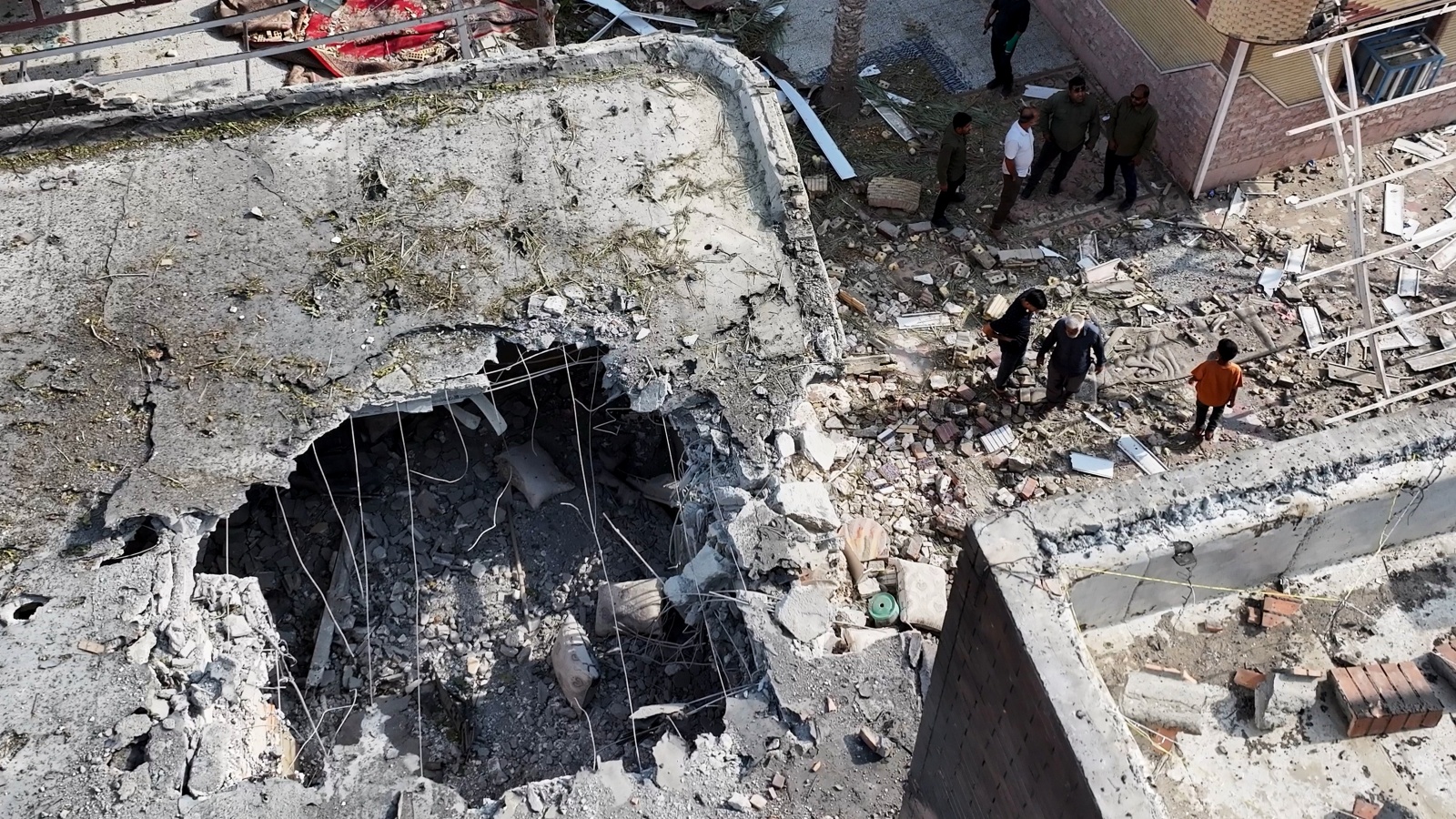
According to reports brought forward by the Baloch Voice for Justice, the walls of this cage closed in further when a drone strike fractured the morning stillness. Drones—those silent, mechanical predators of the modern age—do not care about local grievances or political disputes. They hover in the blue expanse, indifferent eyes in the sky, until they drop fire. When that explosion shattered the silence in Zehri, it wasn't just physical structures that crumbled; the fragile sense of safety that allows people to endure hardship was vaporized instantly.
Imagine waking up to a world where your neighbor vanished yesterday, and the sky above your roof is humming with an invisible threat today. This is the reality documented by human rights advocates who dare to speak when everyone else is cowed into silence.
The mechanics of state-sponsored or irregular security operations in remote provinces often rely on this dual strategy. First, silence the community by removing its vocal members—activists, students, fathers, brothers—under the cover of night or through broad daylight detentions. Second, impose curfews that isolate the remaining population, cutting off communication lines, internet access, and medical aid. When a drone strike punctuates that curfew, the message is written in smoke and ash.
Yet, human resilience is stubbornly persistent. The Baloch Voice for Justice exists precisely because suffering demands a witness. Every name added to the ledger of the missing is an act of defiance against a system that prefers silence. When mothers gather with faded photographs pressed to their chests outside press clubs, they are doing more than protesting. They are dragging ghosts back into the light.
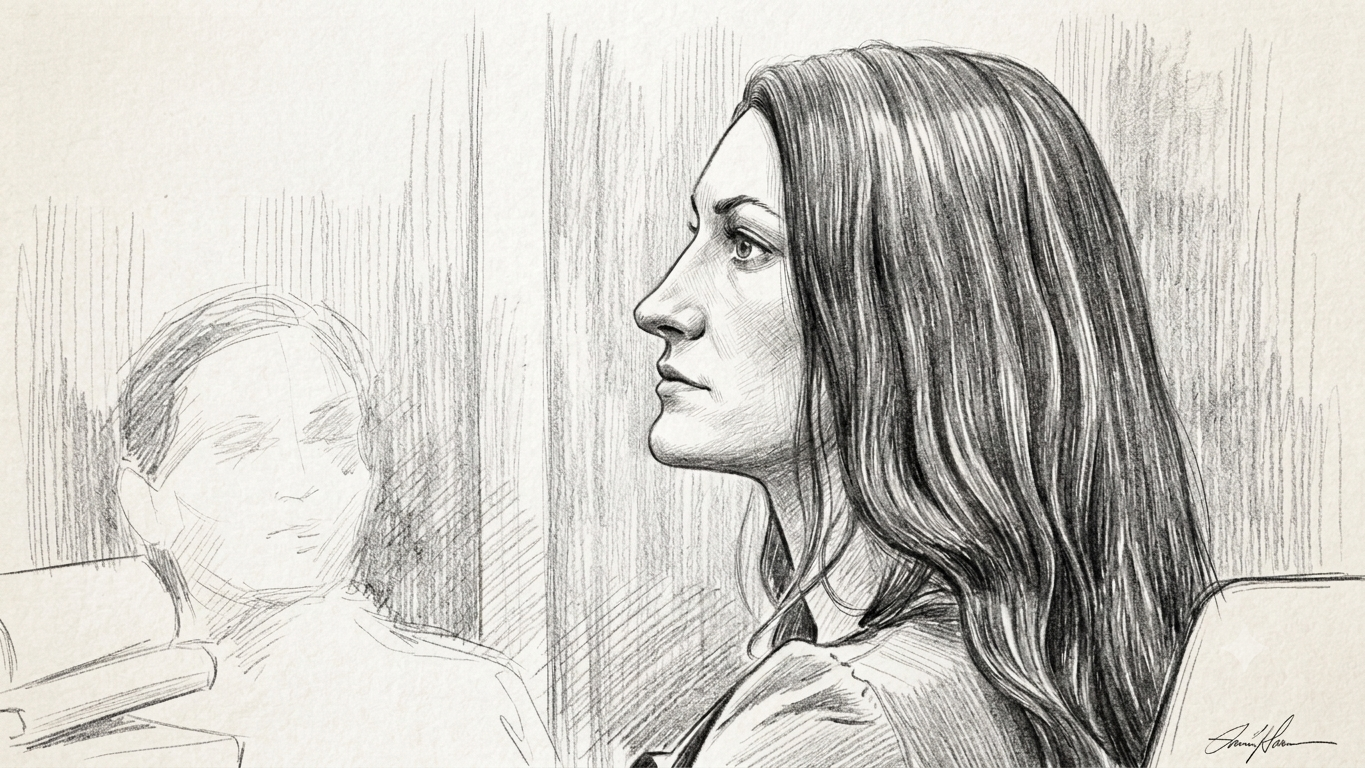
Think of an elderly mother holding a snapshot of her twenty-year-old son, the one who loved poetry and walked the dusty paths to the local college. That photograph is fading at the edges, worn soft by the friction of her thumbs. She does not care about geopolitical strategy or military justifications. She cares about the space at the dinner table. She cares about the boy who walked out to buy tea and never came home.
When a community is subjected to curfews, enforced disappearances, and aerial intimidation, the psychological toll is immeasurable. It creates an atmosphere of chronic trauma. Children grow up watching the horizon with suspicion, learning early that the state is not a protector, but a looming shadow.
The allegations coming out of Zehri are not isolated incidents born in a vacuum. They are chapters in a long, painful book written across the rugged terrain of Balochistan, where immense mineral wealth sits beneath the feet of some of the poorest, most marginalized people on earth. The irony is bitter. The earth yields gold and gas, while the people reap blockades and falling metal.
To look away from Zehri is to grant permission for the silence to deepen. The drone attacks and the vanished bodies are symptoms of a deeper fracture, a failure to recognize that human dignity cannot be bombed into submission or legislated away by emergency decrees.
As the sun sets over the ridges of Zehri, casting long, bruised shadows across the valley, the remaining residents bolt their doors and draw their curtains. Somewhere in the dark, a mother listens for footsteps that will not return, while high above, the stars share the sky with things that hum in the night.