The air in Monza does not simply hold temperature; it holds history, exhaust, and an old, heavy weight. If you stand near the outer perimeter of the historic circuit on a damp autumn morning, long before the engines roar to life and shake the Lombardy pines, you can hear the ghosts of an older Italy breathing through the fog. It smells of espresso, damp asphalt, and stale tobacco. For decades, this corner of northern Italy has been a cathedral of speed, drawing pilgrims from every corner of the globe to worship at the altar of horsepower and engineering precision.
Yet, beneath the glossy sheen of podium celebrations and champagne sprays, something darker has settled into the concrete. Discover more on a related topic: this related article.
Consider Marco. He is not a real man, but he represents a hundred faces standing along the barriers. He wears a faded team cap, clutching a thermos of bitter coffee, his eyes fixed on the track where hyper-expensive machines blur past at three hundred kilometers per hour. Marco has held season passes for twenty years. He remembers the legends. But lately, Marco notices the whispers shifting. He hears the casual slurs hissed behind cupped hands in the grandstands—words that thought they had been buried decades ago, crawling back into the sunlight under the guise of banter.
Monza, in Lombardy, has become a mirror reflecting a broader, unsettling shift across Europe. A relaxed, uncomplex racism has found a comfortable home in the open air of public sports venues, where the anonymity of a crowd provides cover for ugly instincts. Additional reporting by Al Jazeera delves into similar perspectives on the subject.
To understand how a place synonymous with international unity—after all, motorsport is one of the few global languages—could drift toward this quiet tribalism, we must look at the architecture of belonging. Sports arenas are tribal spaces by design. You wear a color. You share an enemy. You cheer for a hero. For most, this remains a harmless outlet for civic pride. But when the boundaries of that tribalism blur, when the 'other' stops being a rival driver and starts being a human being with a different skin tone or a foreign passport, the stadium transforms.
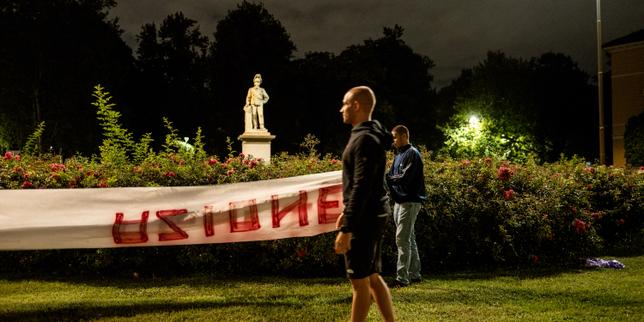
It starts with a glance. Then a muttered comment that neighbors pretend not to hear. Then a banner unfurled for just long enough to make someone in the row ahead feel entirely alone, even surrounded by eighty thousand people.
The statistics tell a dry story, but numbers do not bleed. Reports from anti-discrimination monitors across Italian sports stadiums point to an alarming normalization of verbal abuse, monkey chants, and xenophobic taunts directed at athletes and spectators alike. When these incidents occur, the response is too often a collective shrug. An institutional sigh that suggests this is simply how things are, an inevitable byproduct of passionate fandom.
That shrug is more dangerous than the insult itself.
When society normalizes casual hostility in a stadium, that hostility does not stay within the gates. It leaks out into the railway stations of Monza, into the local pizzerias, into the schoolyards where children absorb the vocabulary of exclusion by osmosis. The atmosphere of uninhibited prejudice is corrosive because it creates a climate of quiet permission. It tells people that their worst impulses are not only acceptable, but shared.
Listen closely to the silence that follows an incident in the stands. That silence is deafening. It is the sound of bystanders calculating the cost of speaking up. Is it worth the trouble? Will I be targeted next? It was only a joke. Each time someone chooses comfort over conscience, the shadows lengthen.
Yet, Monza also holds another legacy. This is a region built by labor, by migration from the south to the north, by people who built engines with grease-stained hands and dreams of a better life for their children. The true spirit of Lombardy is not found in the jeers of a corrupted minority; it is found in the enduring resilience of those who refuse to let their home be defined by its worst moments.
Changing an atmosphere requires more than a stadium announcer reading a mandatory statement about fair play before the lights go green. It requires individual disruption. It requires the person sitting next to Marco to turn, look him in the eye, and say simply: Not here. Not now.
The cars will continue to circle the historic park. The engines will scream, the grandstands will shake, and the checkered flag will fall on winners and losers. But the real race, the one that matters long after the asphalt cools and the crowds disperse into the Lombard dusk, is the fight for what kind of society we are willing to tolerate in plain sight.