The air inside the cramped room in Dhaka’s Jatrabari neighborhood smelled of sweat, cheap floor mats, and damp concrete. To anyone passing by the alleyway, the rhythm was comforting and familiar. The thud of bare feet striking canvas. The sharp, exhaled grunts of young men throwing punches. The rhythmic instructions of a coach pushing his students to their physical limits.
On paper, and to the parents who sent their boys there, this was the Fatah Combat System. It was advertised as a martial arts group, a sanctuary where young men could build discipline, learn self-defense, and find a sense of brotherhood in a chaotic world.
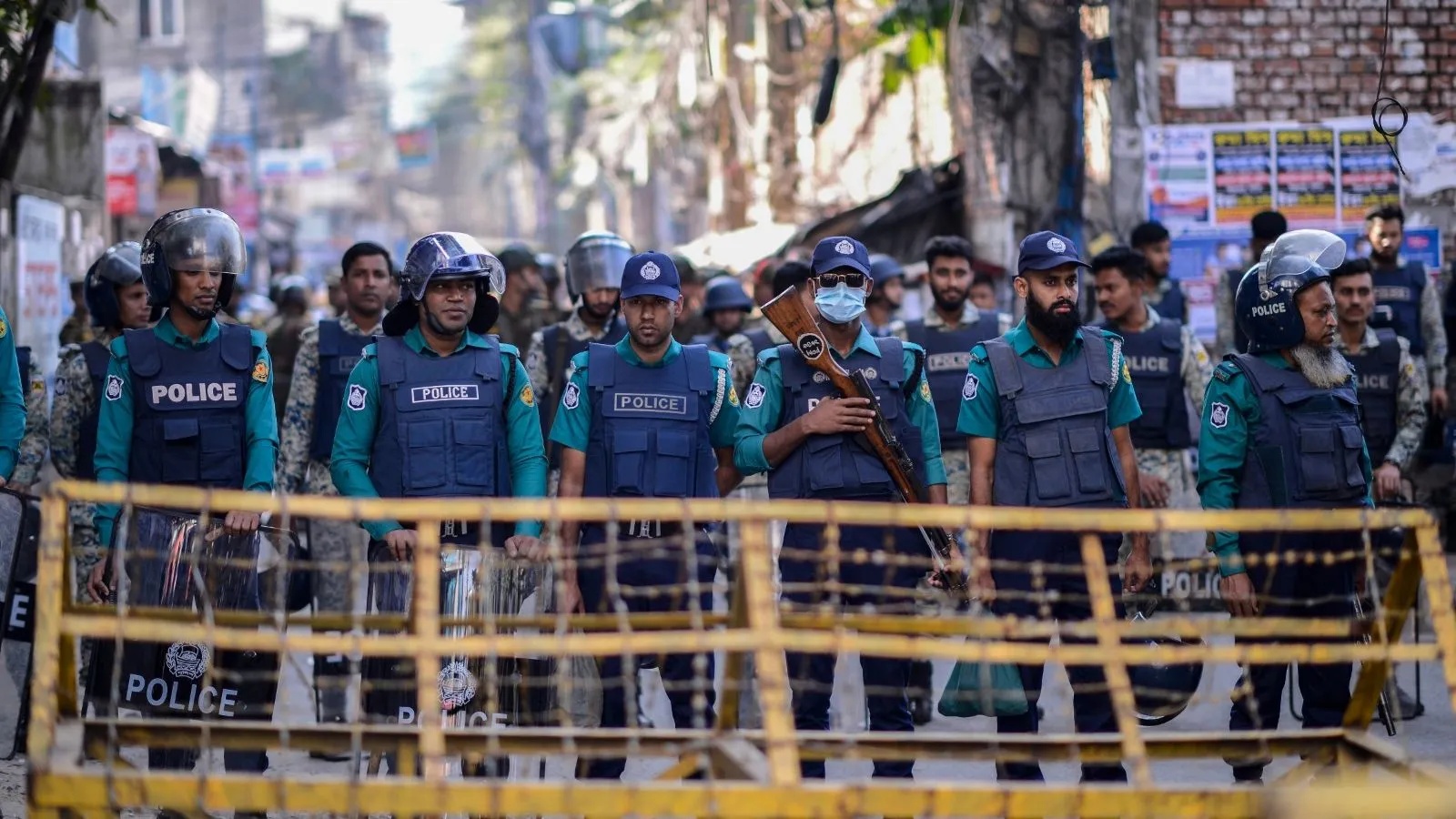
But when the doors were kicked in by Dhaka police, the illusion of athletic discipline shattered. What the authorities uncovered was not an amateur sports club, but a covert assembly line for an extremist network.
The Illusion of Discipline
The transformation of a sports club into a radical cell is a terrifyingly quiet process. It does not happen overnight with banners and speeches. It happens in the margins of routine.
Consider a hypothetical young man named Fahim. He is nineteen, drifting, and looking for purpose in a city of twenty million people. He walks into a martial arts class looking for confidence. The instructor, a charismatic man named Shah Amanat Sabir, welcomes him. Sabir teaches him how to balance his weight, how to throw a kick, how to channel his aggression. Fahim feels seen. He feels strong.
Then, the focus shifts.
The physical training becomes more rigorous, mimicking tactical maneuvers rather than traditional sport. The conversations after class linger a little longer. The instructor stops talking about self-defense and starts talking about defense of the faith. He speaks of a world hostile to their values, of a grand purpose, of a global caliphate. The transition from athlete to recruit is seamless because the emotional hook—the desire to belong to something greater than oneself—remains exactly the same.
When Bangladeshi investigators moved into the Jatrabari area, they arrested seven men, including Sabir, the martial arts instructor, along with Md Junaid, Ataullah Shah, Md Abidur Rahman, Hossain Tanim, and Tahsin Islam. The police alleged that beneath the cover of religious programs and combat training lay a highly organized effort to radicalize youth and build a militant cell from the ground up.
The Weaponization of Trust
The defense attorney for the accused argued in court that these men had no ties to militant outfits. They were just teaching martial arts, he claimed. A simple sports club.
But counterterrorism experts know that the most dangerous networks are those that blend perfectly into the fabric of daily life. For a militant group, a martial arts gym is the perfect front. It explains away the physical conditioning. It explains the odd hours, the camaraderie, the intense loyalty to a single leader, and the secrecy. It provides a ready-made structure of obedience.
This is not a new tactic, but it is an devastatingly effective one. Radicalization thrives in environments where trust is absolute. When a student bows to an instructor, they are surrendering a piece of their autonomy. If that instructor is a predator seeking recruits for a violent ideology, that surrender becomes fatal.
The authorities needed a three-day remand from Metropolitan Magistrate Monirul Islam just to begin untangling the threads. The police report named sixteen individuals, along with several others who remain unidentified, scattered across the city. The goal of the investigation is not just to lock up the men found on the mats, but to find where the money came from and where the absconding members went.
The Stakes in the Shadows
It is easy to look at a news report about a disrupted cell and view it as a triumph of law enforcement. A raid happens, suspects are placed in a police van, a court issues a remand, and the city moves on.
But the real problem lies elsewhere.
The true danger is the vulnerability that made the group possible in the first place. For every cell that is dismantled, the underlying conditions that allow them to recruit remain. Young people are still searching for identity. They are still looking for a brotherhood, for a way to prove their strength, for an escape from the crushing anonymity of modern life.
If the state and society do not provide healthy spaces for that energy—through genuine sport, community, and opportunity—the shadows will always be waiting to fill the void. The Fatah Combat System was not just a collection of individuals; it was a symptom of a deeper, quieter conflict over the minds of a generation.
The mats in Jatrabari are empty now. The doors are locked. But the lesson left behind in the damp air is clear: the most dangerous threats are rarely the ones that announce themselves with weapons. They are the ones that invite you in, teach you how to breathe, and ask you to fight for a cause you do not yet understand.
The True Story of Radicalization Networks in South Asia
This investigative report provides crucial context on how online and offline radicalization networks target and exploit vulnerable youth across Bangladesh.