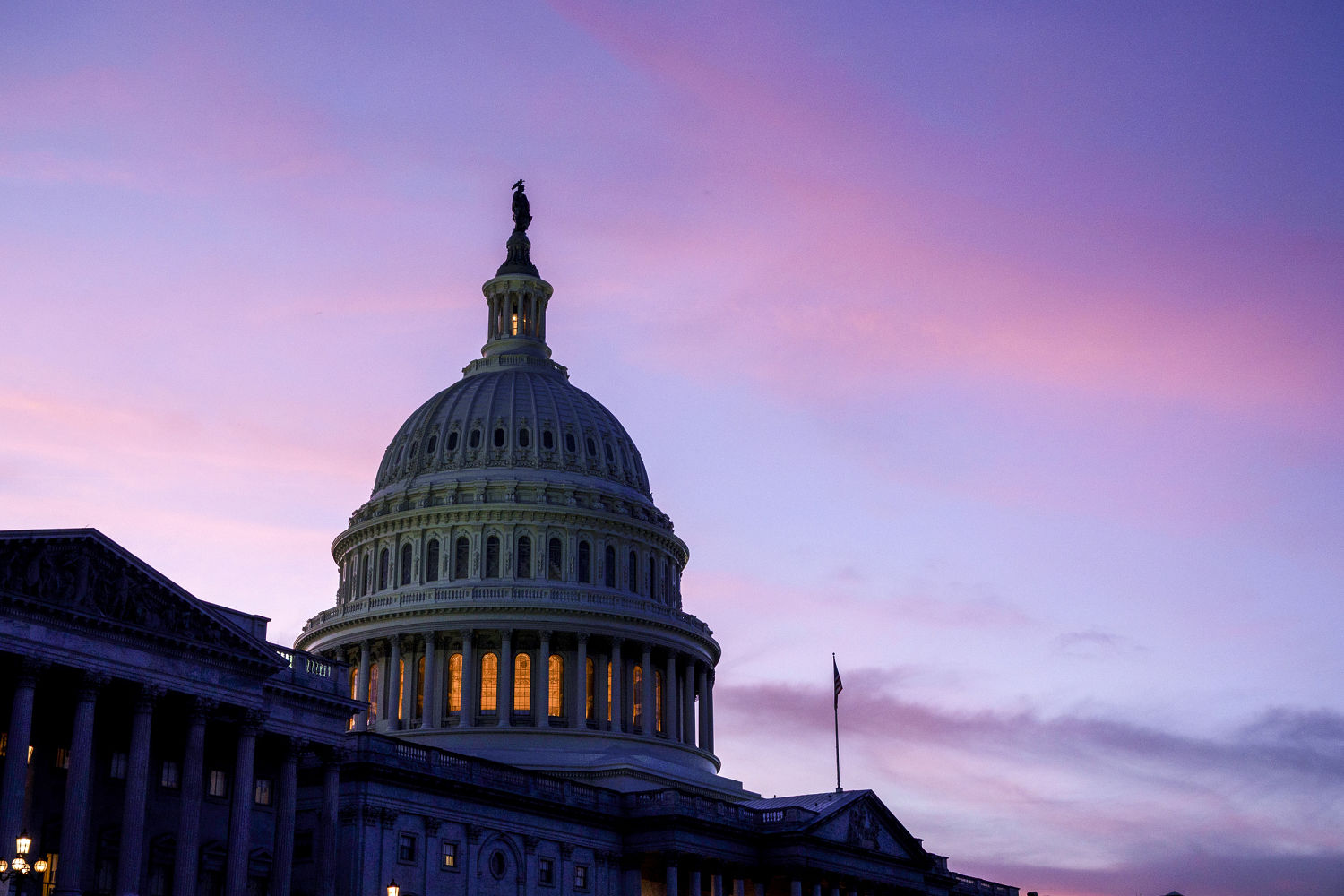
The midnight deadline hit, the clock ran out, and Section 702 of the Foreign Intelligence Surveillance Act officially lapsed. If you listen to the panic coming out of Washington, you might think the entire American intelligence apparatus just went dark. High-profile politicians warned of immediate blind spots, while civil liberties advocates celebrated a massive victory against mass surveillance.
Both sides are overstating the case.
The truth is much more complicated, and honestly, a lot more bureaucratic. The expiration of Section 702 doesn't mean the National Security Agency suddenly unplugged its servers or stopped collecting data. If you think your digital footprint is suddenly safe from warrantless government eyes just because Congress missed a deadline, you're missing the bigger picture of how federal surveillance actually works.
The Grandfather Loophole Keeping the Program Alive
Here is the secret the intelligence community doesn't publicize during these high-stakes congressional showdowns. Section 702 doesn't operate on a day-by-day congressional permission slip. It runs on annual programmatic certifications approved by the Foreign Intelligence Surveillance Court, known as the FISC.
The current certifications were quietly approved back in March. Under the transition provisions of the law, those existing directives served on internet service providers remain legally binding for a full year after approval. Representative Jamie Raskin explicitly pointed this out on the House floor, noting that everything already authorized is already in motion. A senior Republican committee aide confirmed the exact same reality to journalists. The program has the court's permission to run until March 2027.
The data collection continues. The intercepts keep flowing. The real impact of the lapse isn't an immediate blackout; it's a freeze on targeting new accounts or adapting the system to new foreign threats that emerge next month.
What Section 702 Actually Does
To understand why this fight matters, you have to look at what the law allows. Passed in 2008 to codify a post-9/11 intercept program, Section 702 allows agencies like the NSA to target non-U.S. citizens located overseas without getting an individualized warrant. The government compels American tech giants—think Google, Microsoft, and major telecom routing hubs—to hand over emails, text messages, and internet traffic.
The government defends this fiercely. Officials point to massive wins, like using 702 data to track down fentanyl precursors coming out of China, disrupting cyberattacks on critical infrastructure, and even locating al-Qaida leader Ayman al-Zawahri before the 2022 drone strike.
But there is a catch. It's called "incidental collection."
When a foreigner abroad emails an American citizen, or a traveler in Europe texts a friend back in Ohio, that American's communication gets swept into the exact same dragnet. Once that data sits in a federal database, the FBI can search through it using a backdoor loophole. They don't need a warrant to look up an American's name or email address in that pile of collected data.
The Massive Scale of Backdoor Abuse
The debate isn't really about spying on foreign adversaries. Everyone expects governments to do that. The real battle is over how the FBI uses that data to spy on people inside the United States.
Over the years, the scale of improper queries skyrocketed. Declassified compliance audits revealed FBI analysts used the 702 database to search for information on individuals connected to the January 6 Capitol riot, Black Lives Matter protesters, and even sitting political figures.
In 2024, Congress tried to fix this by passing the Reforming Intelligence and Securing America Act. It instituted nominal reforms, cutting the number of FBI personnel authorized to run these searches by 90%. The Department of Justice inspector general claimed compliance improved.
But a classified FISC opinion exposed a deeper issue. The intelligence community merely shifted tools. While the specific FBI tool flagged for abuse was discontinued, agencies just started using alternative filtering software to run the exact same types of warrantless queries on Americans. The loophole never actually closed.
The Backup Plans: EO 12333 and Traditional FISA
If the programmatic certifications do eventually run out in 2027 without a congressional deal, the government still won't be empty-handed. They have two massive safety nets.
First, there are Titles I and III of the original 1978 FISA statute. These sections don't expire. They allow the government to conduct traditional electronic surveillance and physical searches against specific targets inside or outside the country. The catch? It requires an individualized warrant based on probable cause. That's exactly what the Fourth Amendment intended, but it requires more paperwork than the intelligence community prefers.
Second, there is Executive Order 12333. This is the daily operating charter for the executive branch's intelligence operations. It requires zero congressional approval and no oversight from the FISA court.
The historical precedent here is clear. A declassified CIA Inspector General audit covering the late 1990s showed the agency was running massive internet backbone surveillance long before Section 702 existed. They captured U.S. person data by presuming targets were foreign until proven otherwise. If 702 dies permanently, the executive branch can easily lean back into EO 12333 operations, completely bypassing congressional limits.
The Bipartisan Gridlock and What Happens Next
The current standoff broke traditional party lines. The push to block a clean reauthorization united progressive Democrats worried about civil rights with conservative Republicans distrustful of federal law enforcement.
The breaking point came down to a simple, unyielding demand: a warrant requirement. Privacy advocates insist the FBI must get a probable cause warrant before searching the database for an American's communications. The White House and intelligence hardliners claim a warrant requirement would slow down fast-moving national security investigations, rendering the tool useless.
Neither side blinked. The House refused a short-term patch, the Senate stalled, and the clock ran out.
Don't expect the status quo to change tomorrow. Because the current surveillance operations are legally grandfathered for months, you won't see a sudden spike in terrorist threats or an immediate collapse of federal investigations. Congress bought itself a dangerous asset: time.
If you want to track where this actually goes, stop watching the daily floor speeches and start tracking the closed-door negotiations over the warrant requirement amendment. The program won't stay dead forever. The pressure to pass a compromise bill with slightly tighter guardrails will intensify as the true 2027 hard deadline approaches. Until then, the surveillance machinery keeps humming quietly in the background.